Shoulder problems can affect much more than the ability to lift an arm. A simple task such as reaching for a cupboard, wearing a shirt, carrying a bag, driving, or sleeping on one side can become uncomfortable when the shoulder is injured or inflamed. While occasional discomfort may settle with rest, persistent symptoms can point towards an underlying condition that deserves proper medical attention. At ClearMedi Healthcare, we assess shoulder problems by considering both the symptoms and their effect on everyday function. We look at how the problem began, which movements are restricted, whether strength has changed, and whether the condition involves the muscles, tendons, joint, or surrounding tissues. Patients looking for the shoulder pain doctor in Noida can approach our team for comprehensive evaluation and an individualised treatment plan.
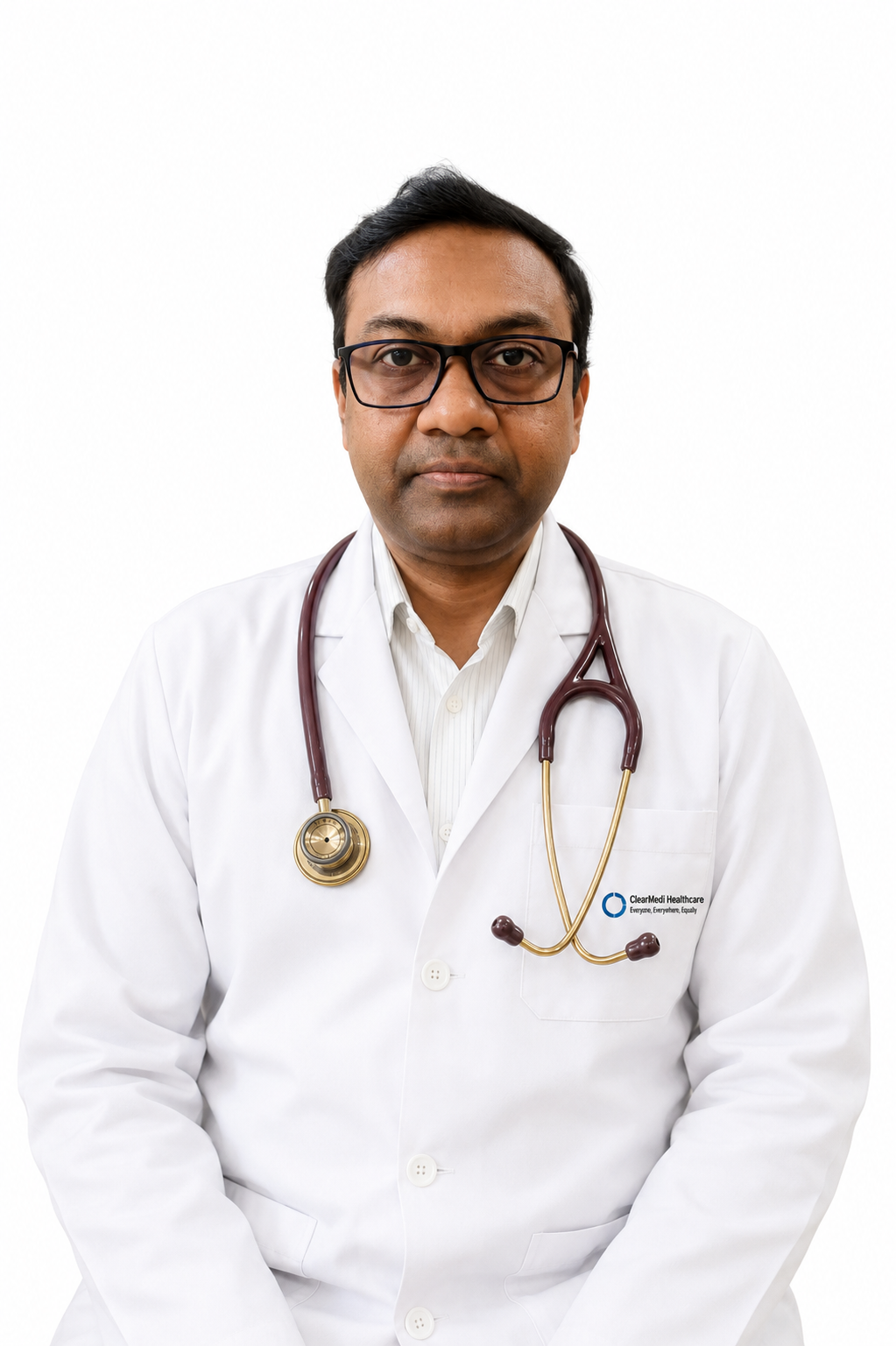
Senior Consultant – Cardiology
Experience: 18+ Years
ClearMedi Bahra Multispeciality Hospital, Kurali, NH21, Kharar, Mohali
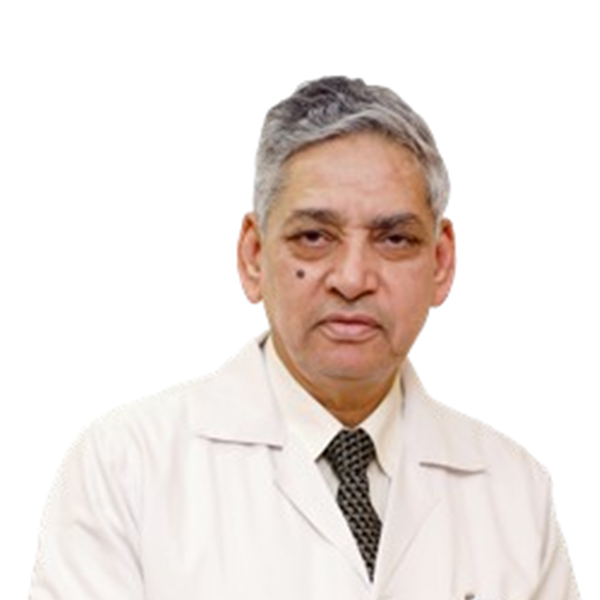
Director - Cardiology
Experience: 50+ Years
ClearMedi Bahra Multispeciality Hospital, Kurali, NH21, Kharar, Mohali
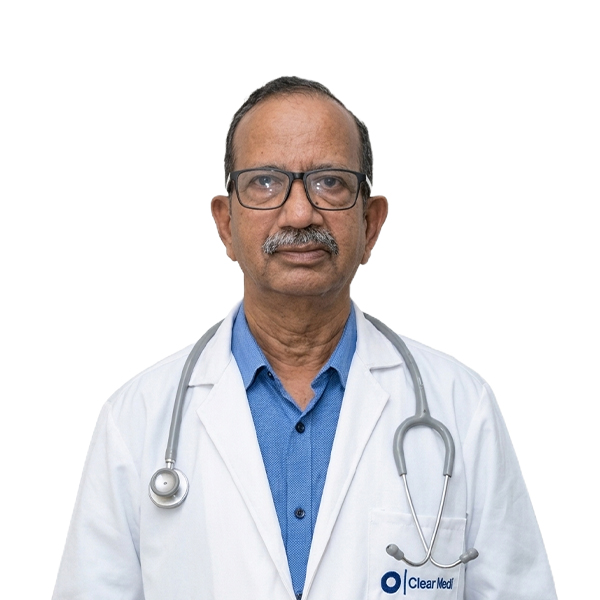
Senior Consultant - Pathology
Experience: 35+ Years
ClearMedi Paridhi Multispeciality Hospital, Kailash Vihar, Tulsi Vihar Colony, Gwalior
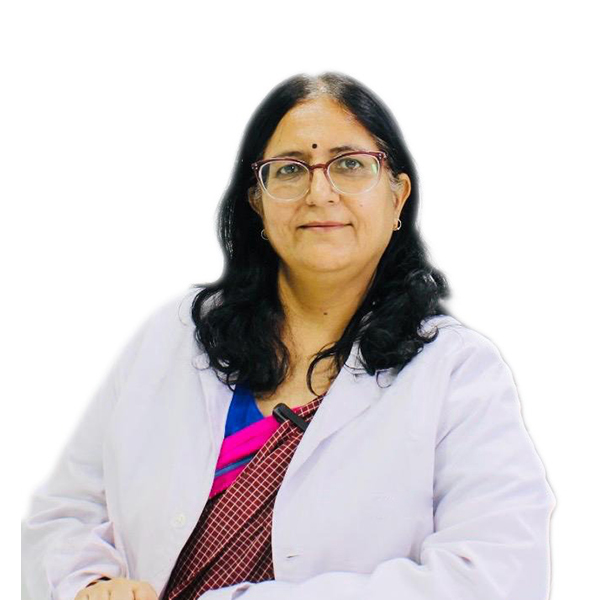
Sr. Consultant- Ophthalmology
Experience: 35+ Years
PrimaCare Clearmedi Multispeciality Hospital,Sector 104, Noida

Consultant - Orthopedics & Joint Replacement
Experience: 29+ Years
ClearMedi Paridhi Multispeciality Hospital, Kailash Vihar, Tulsi Vihar Colony, Gwalior
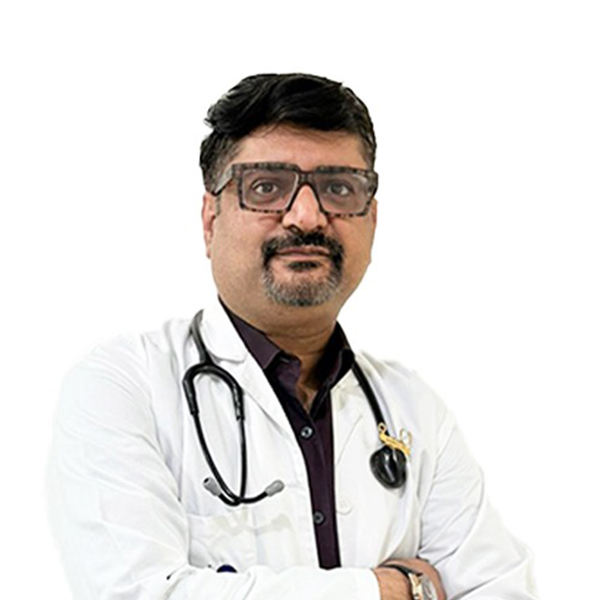
Senior Consultant – Cardiology
Experience: 27+ Years
PrimaCare Clearmedi Multispeciality Hospital,Sector 104, Noida
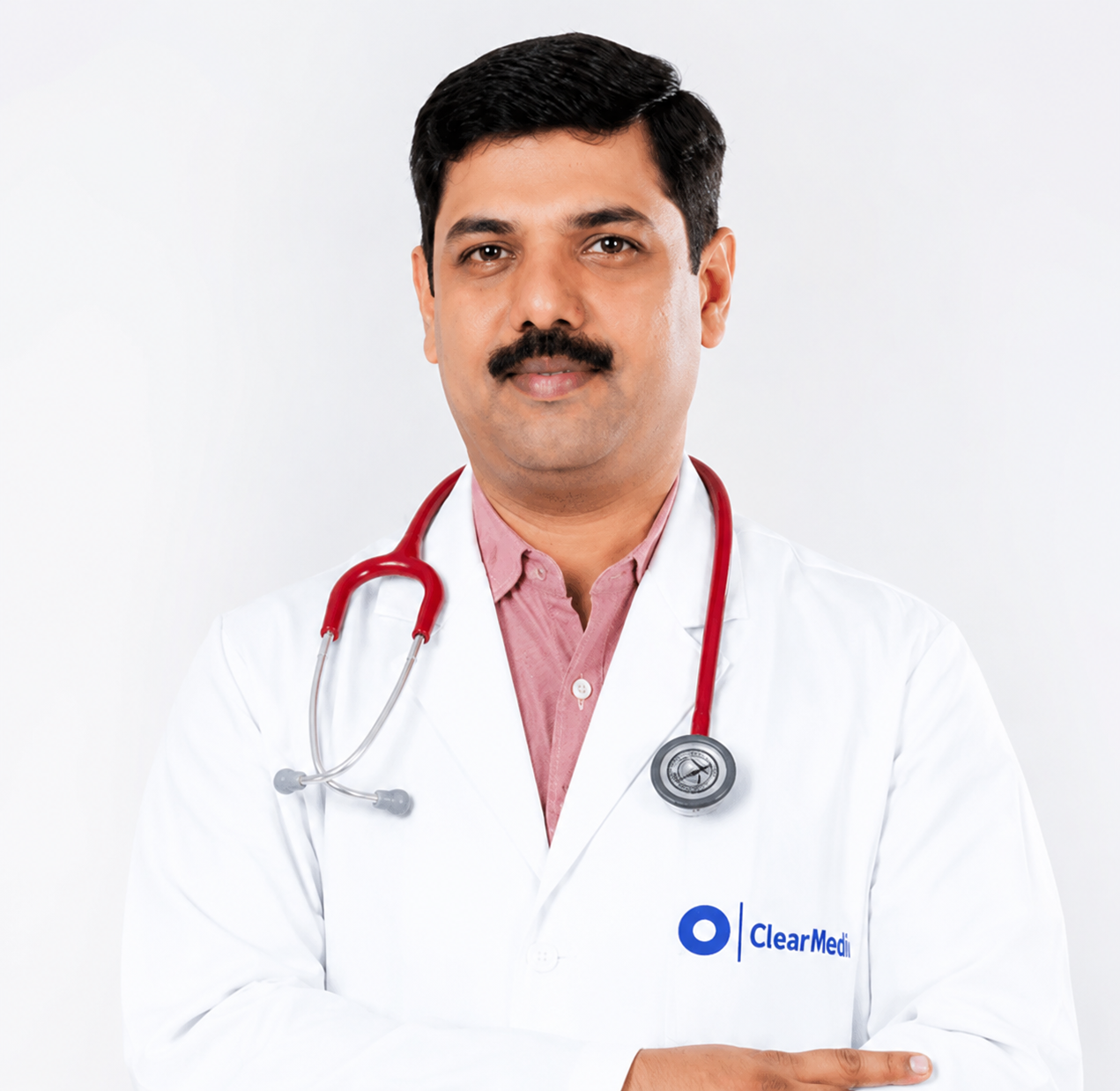
Consultant - Internal Medicine
Experience: 25+ Years
ClearMedi Radiant Hospital, Vijay Nagar 3rd Stage, Garudachar Layout, Mysuru

Head of Department - Anaesthesia
Experience: 25+ Years
ClearMedi Bahra Multispeciality Hospital, Kurali, NH21, Kharar, Mohali
A fall or sports injury can clearly explain the beginning of shoulder symptoms, but many conditions develop gradually.
Repetitive overhead activity, prolonged physical work, exercise, age-related changes, poor movement patterns, and overuse can all contribute to discomfort. Some patients initially notice only mild stiffness or an occasional ache before the symptoms begin affecting normal activities.
This is why we do not rely on the presence of an obvious injury when assessing a patient. The history of the symptoms often gives us valuable information about what may be happening.
The nature of the symptoms can vary from person to person. You may experience discomfort only when moving the arm, or you may notice aching even while resting.
Common complaints include:
Persistent shoulder pain should not always be treated as ordinary muscle soreness, particularly when it begins limiting movement or affecting sleep.
The shoulder is a complex area where several structures work together. Problems affecting one structure can sometimes produce symptoms that feel similar to those caused by another.
Depending on the clinical findings, we may evaluate conditions such as rotator cuff injuries, tendon disorders, bursitis, frozen shoulder, arthritis, muscle strains, and traumatic injuries.
Some patients may also develop symptoms after repetitive sporting activity or physically demanding work. Understanding the activity that places stress on the shoulder helps us interpret the symptoms more accurately.
Our objective is to identify the likely source rather than simply treating the location where the discomfort is felt.
Our evaluation begins with a detailed discussion about your symptoms. We ask when they started, whether they developed suddenly or gradually, and which activities make them worse.
A physical examination then helps us assess movement, strength, tenderness, and functional limitations. We may perform specific clinical tests depending on the suspected condition.
When additional information is required, imaging may be recommended. X-rays can help assess bones and joint changes, while ultrasound or MRI can provide information about soft tissues such as tendons and other structures.
We choose investigations according to the clinical situation rather than automatically ordering every available test.
Once we understand the underlying problem, we can discuss the most appropriate treatment pathway.
For many patients, treatment begins without surgery. Depending on the diagnosis, this may involve temporary activity modification, medicines where medically suitable, physiotherapy, mobility work and strengthening exercises.
Our aim is to achieve more than short-term relief. We want to improve how the shoulder functions and address factors that may be contributing to recurring symptoms.
A patient with stiffness, for example, may need a very different rehabilitation programme from someone recovering from a tendon injury.
When shoulder pain has been present for a long time, people often begin avoiding certain movements. This can gradually reduce strength and confidence, even when the original problem has started improving.
A structured rehabilitation programme can help restore normal movement progressively. Depending on the condition, exercises may focus on flexibility, joint mobility, muscle strength, coordination and controlled loading.
We encourage patients to progress according to their recovery rather than trying to return immediately to their previous level of activity.
The right exercise at the right stage can be more useful than simply doing more exercise.
Not every patient responds sufficiently to conservative management. Some structural injuries, significant trauma, advanced joint changes, or persistent functional problems may require further intervention.
When an operation or another advanced treatment is being considered, we first explain why it may be beneficial and what alternatives are available.
We also discuss the recovery process because treatment does not end with the procedure itself. Rehabilitation and gradual return to activity remain important parts of achieving a useful outcome.
The treatment plan is not necessarily identical for everyone with the same diagnosis.
A person whose work involves lifting may have different functional requirements from someone who spends most of the day at a desk. Similarly, an athlete returning to sport may need a more demanding rehabilitation programme than someone whose main goal is comfortable daily movement.
When patients consult a shoulder doctor, we consider these practical requirements while developing their care plan. This allows us to focus not only on what is causing the problem but also on what the patient needs to return to doing.
Once the cause of the problem is understood, everyday habits can support the treatment process.
Avoid repeatedly performing movements that clearly increase symptoms. If you are returning to exercise, increase resistance and workload gradually rather than suddenly returning to your previous routine.
Following the recommended rehabilitation programme consistently is also important. Stopping exercises as soon as symptoms improve may leave underlying weakness or restricted movement unresolved.
At the same time, avoid pushing through significant pain simply to accelerate recovery. Shoulder rehabilitation works when progression is controlled and appropriate to the condition.
You should consider consulting a shoulder doctor when symptoms continue, become more frequent, or interfere with your normal routine.
An assessment becomes particularly important when:
Early evaluation can help determine whether the condition can be managed conservatively or needs more detailed investigation.
At ClearMedi Healthcare, our approach to shoulder care begins with understanding the person behind the symptom. When someone searches for the shoulder pain doctor in Noida, they are usually looking for more than a diagnosis. They want to know what is causing the problem, whether it can improve without surgery, how long recovery may take, and what they should do next. We aim to answer those questions through careful assessment, appropriate investigations, and a treatment plan that reflects the patient's condition and goals. Our focus remains on restoring useful movement, reducing unnecessary limitations and helping patients understand each stage of their care.
Ongoing shoulder symptoms can gradually change the way you work, exercise, and handle ordinary daily tasks. Getting the cause assessed can make it easier to understand which treatment options are appropriate and what recovery may involve.
At ClearMedi Healthcare, Sector 104, Noida, we provide personalised assessment and treatment planning for patients with a range of shoulder conditions. To discuss your symptoms and arrange a consultation with our team, call +91 9599565977 and take the next step towards better shoulder function.
FAQ



I recently found myself under your care for a cancer issue. While there, accompanied by my wife, we found that the entire staff at ClearMedi Hospital was exceedingly professional and efficient, from your E.R. receptionists to the cardiac care team. Very proud of your outstanding staff and service.
Sonia Chauhan
I was recently cared for at ClearMedi Hospital following a heart attack. I just wanted to say a few words about the exceptional care I received in the ClearMedi Hospital Cardiac Care Unit and the ICU. All of the doctors and nurses were friendly, pleasant, kind, thorough, conscientious and professional. I am happy to have been in their care.
Purab Singh
I am writing on behalf of my brother who was a patient in your hospital. I would like to thank you on behalf of my entire family for the help and consideration shown to me in what was a very difficult time. Again, I would like to thank you for the services you provide to patients and their families.
Deepal Sinha© Copyright 2026, ClearMedi. All rights reserved.





 Call: 9599565977
