Being told that a brain scan has revealed a possible tumor can bring many questions to your mind. You may wonder whether the growth is cancerous, whether surgery will be necessary, or how it could affect your daily life. These concerns are understandable, but an initial scan alone does not always provide the complete answer.
At ClearMedi, we believe that patients should understand their diagnosis before making decisions about treatment. When you meet the Brain Tumor Doctor in Noida, we assess your symptoms, review your scan reports, and consider your medical history to understand the situation more clearly. Our approach is to explain the findings in simple language and help you understand the next steps based on your individual condition.

Senior Consultant – Cardiology
Experience: 18+ Years
ClearMedi Bahra Multispeciality Hospital, Kurali, NH21, Kharar, Mohali

Director - Cardiology
Experience: 50+ Years
ClearMedi Bahra Multispeciality Hospital, Kurali, NH21, Kharar, Mohali
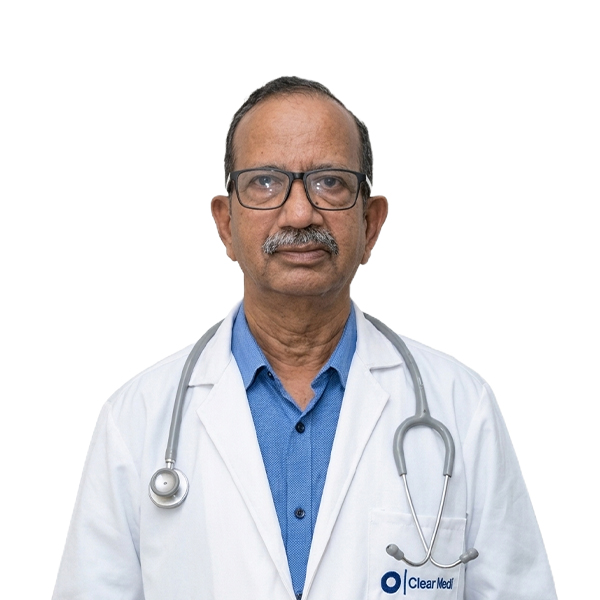
Senior Consultant - Pathology
Experience: 35+ Years
ClearMedi Paridhi Multispeciality Hospital, Kailash Vihar, Tulsi Vihar Colony, Gwalior
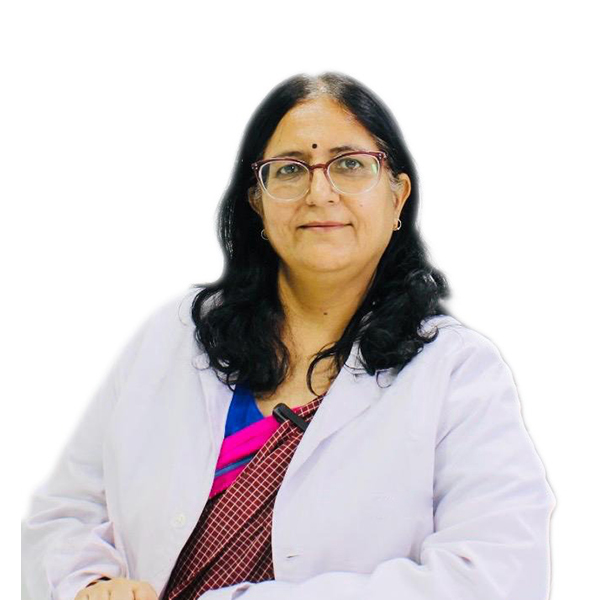
Sr. Consultant- Ophthalmology
Experience: 35+ Years
PrimaCare Clearmedi Multispeciality Hospital,Sector 104, Noida

Consultant - Orthopedics & Joint Replacement
Experience: 29+ Years
ClearMedi Paridhi Multispeciality Hospital, Kailash Vihar, Tulsi Vihar Colony, Gwalior

Senior Consultant – Cardiology
Experience: 27+ Years
PrimaCare Clearmedi Multispeciality Hospital,Sector 104, Noida
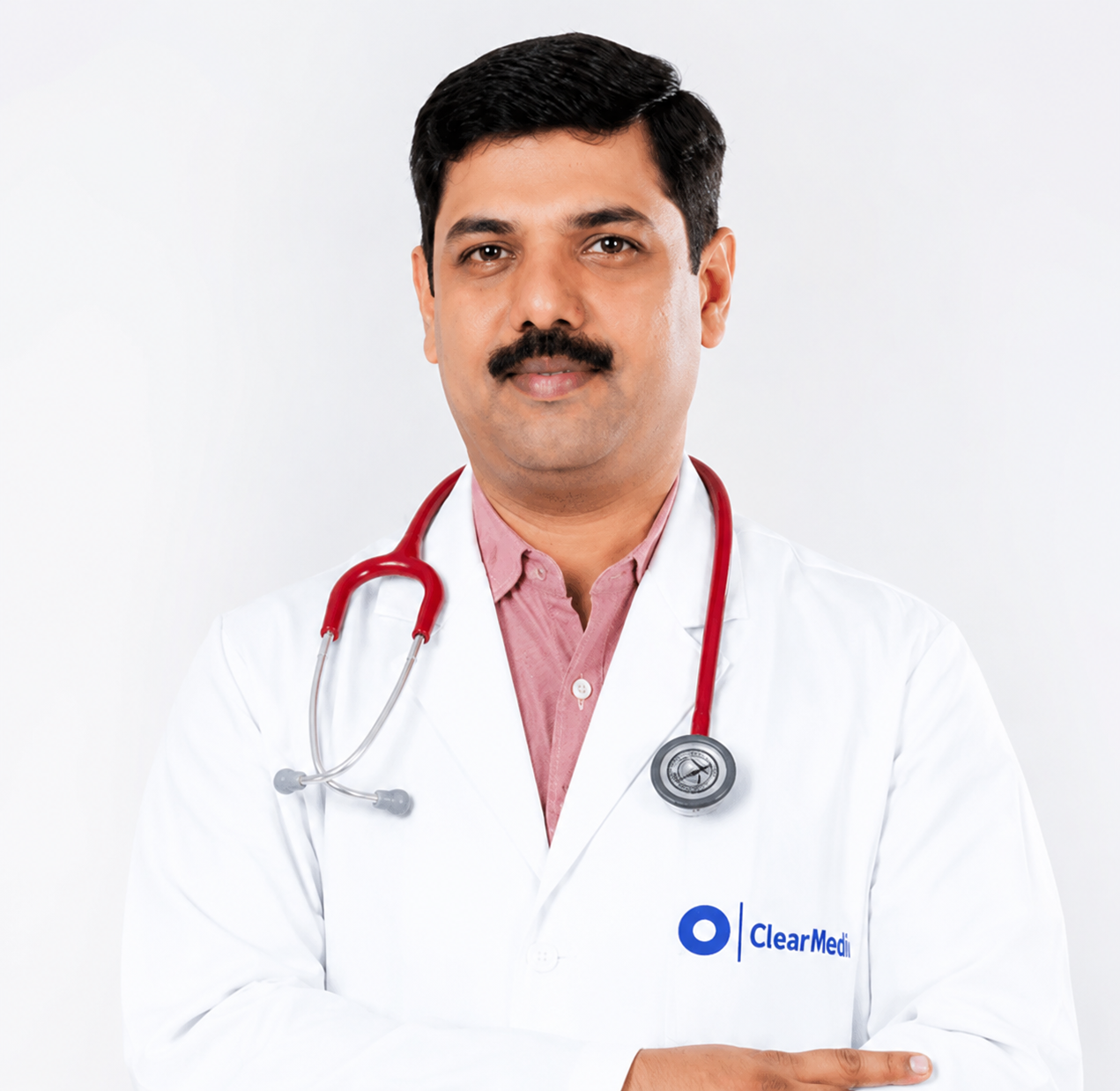
Consultant - Internal Medicine
Experience: 25+ Years
ClearMedi Radiant Hospital, Vijay Nagar 3rd Stage, Garudachar Layout, Mysuru

Head of Department - Anaesthesia
Experience: 25+ Years
ClearMedi Bahra Multispeciality Hospital, Kurali, NH21, Kharar, Mohali
A brain tumor is an abnormal growth of cells in the brain or in the tissues surrounding it. Some tumors develop within the brain, while others spread from cancer in another part of the body.
The effects of a tumor are not determined by its size alone. Its location, rate of growth, and proximity to important areas of the brain can influence the symptoms it causes. For example, a small growth near a region responsible for speech, movement, or vision may create noticeable problems, whereas another tumor may be found during an examination for an unrelated concern.
We encourage patients to seek specialist guidance when an imaging report identifies a possible growth or when neurological symptoms remain unexplained. A consultation with a neurosurgeon may be advised when the scan suggests that surgical assessment could be relevant.
Brain tumors are generally grouped into two broad categories:
Doctors may also describe a tumor as benign or malignant. A benign tumor is not cancerous, but that does not always mean it is harmless. If it presses against important brain structures or increases pressure inside the skull, it may still require treatment.
Some commonly recognised types include:
The exact nature of a growth cannot always be confirmed through symptoms or an MRI report alone. In selected cases, additional investigations or tissue testing may be needed before a treatment plan is finalised.
Brain tumor symptoms differ from person to person. They depend largely on where the growth is located and how it affects surrounding tissues.
Possible signs include:
These symptoms are not specific to brain tumors and may occur because of several other conditions. However, symptoms that are new, unexplained, persistent, or worsening should not be ignored.
Sudden weakness, a first-time seizure, difficulty speaking, or a significant change in consciousness requires urgent medical attention.
In many cases, the exact cause of a brain tumor cannot be identified. Changes in the genetic material of cells may contribute to abnormal growth. Certain inherited conditions can also increase the likelihood of developing specific tumor types.
Previous exposure to substantial radiation involving the head is a recognised risk factor for some brain tumors. However, many people who develop these conditions have no known risk factor.
Because the cause is not always identifiable, prevention is not possible in every case. Paying attention to concerning symptoms and following up on abnormal imaging findings can help ensure that the condition is assessed at the appropriate time.
Our first step is to understand the patient's symptoms and how they have changed. We also review previous diagnoses, medicines, medical records, and any available imaging.
Depending on the situation, the evaluation may involve:
MRI of the brain: An MRI offers detailed images of brain structures and can help identify the location, size, and appearance of a suspected growth.
CT scan: CT imaging may be useful when a rapid assessment is required or when an MRI cannot be performed.
Contrast-enhanced imaging: Additional imaging techniques may be recommended when the initial scan does not provide enough information.
Biopsy or tissue examination: In certain cases, a tissue sample is required to establish the tumor type and understand its biological characteristics. This decision depends on the location of the growth, its appearance, and whether the procedure can be performed safely.
The results of these assessments help us understand whether the patient may benefit from monitoring, further testing, surgery, radiation, medicines, or another treatment approach.
If surgery is being considered, a neurosurgeon reviews the clinical findings and imaging to assess the possible benefits and risks of an operation.
Brain Tumor Treatment in Noida is planned according to the patient's diagnosis rather than following one fixed method. The tumor type, location, size, growth behaviour, symptoms, and general health all influence the treatment decision.
Depending on the findings, treatment may involve one or more of the following approaches.
Some small or slow-growing tumors may not require immediate intervention. If the growth is not causing significant symptoms and the clinical situation allows observation, regular scans and follow-up examinations may be recommended.
This approach helps the medical team identify changes and reconsider treatment if the tumor begins to grow or causes new problems.
Surgery may be considered when removing the tumor is expected to provide meaningful benefit, and the growth can be approached safely.
The possibility and extent of removal depend on the tumor's position and its relationship with areas responsible for important functions. In some situations, complete removal may be possible. In others, partial removal or tissue sampling may be considered to reduce the risk of damage to surrounding structures.
A neurosurgical consultation helps explain the purpose of the procedure, possible limitations, and available alternatives.
Radiation treatment may be recommended for certain types of tumors. It can be used after surgery, as part of treatment for a tumor that cannot be safely removed, or in selected cases where surgery is not the preferred option.
The dose, method, and duration depend on the specific diagnosis and the patient's overall treatment plan.
Some patients may need medications to control seizures, edema, headaches or other symptoms caused by the tumor.
For some malignancies, targeted drugs or other systemic treatments may also be considered. Any of these depends on the tumor's features and the clinical picture in its entirety.
A suspected brain tumor is usually more than one decision away. Patients may want assistance in interpreting a scan, whether to determine the need for additional testing or to consider the potential benefits and limitations of treatment. At ClearMedi, we focus on a thorough review of the available material and discussion of the findings with the patients and their families. When searching for a brain tumor hospital near me, it’s helpful to bring along your prior MRI or CT reports and scan images, medicines, and essential medical paperwork to the appointment. We explain the reasons for requested investigations and help you understand what may happen next. We also address the importance of neurosurgical evaluation in the entire care plan when surgery is being considered.
Avoid the urge to automatically assume that every headache or dizzy spell is a sign of a brain tumor. Progressive or chronic neurologic changes should be evaluated appropriately.
If you see any of the following, see a doctor:
Seek emergency help if symptoms are sudden and severe, such as seizures, loss of consciousness, a very bad headache that happens abruptly, new weakness or difficulty speaking.
A scan report can be difficult to understand, especially when it mentions a possible brain tumor. You deserve an explanation that considers your symptoms, reports, and individual circumstances rather than relying on assumptions.
At ClearMedi Healthcare, Sector 104, Noida, we help patients understand their evaluation findings and discuss the treatment options that may be appropriate for their condition.
Call +91 9599565977 to schedule a consultation with the Brain Tumor Doctor in Noida and take the next step with informed medical guidance.
FAQ







I recently found myself under your care for a cancer issue. While there, accompanied by my wife, we found that the entire staff at ClearMedi Hospital was exceedingly professional and efficient, from your E.R. receptionists to the cardiac care team. Very proud of your outstanding staff and service.
Sonia Chauhan
I was recently cared for at ClearMedi Hospital following a heart attack. I just wanted to say a few words about the exceptional care I received in the ClearMedi Hospital Cardiac Care Unit and the ICU. All of the doctors and nurses were friendly, pleasant, kind, thorough, conscientious and professional. I am happy to have been in their care.
Purab Singh
I am writing on behalf of my brother who was a patient in your hospital. I would like to thank you on behalf of my entire family for the help and consideration shown to me in what was a very difficult time. Again, I would like to thank you for the services you provide to patients and their families.
Deepal Sinha© Copyright 2026, ClearMedi. All rights reserved.





 Call: 9599565977
