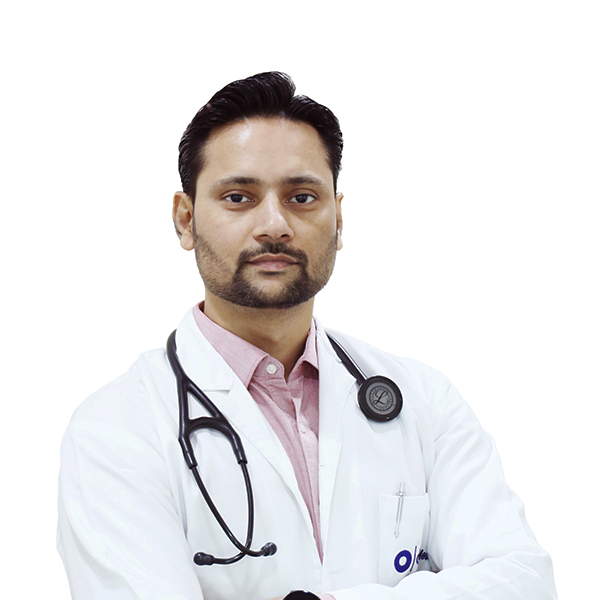
Diabetes can develop in silence. Some people find themselves feeling very thirsty or needing to urinate often, while others find out they have high blood sugar during a standard health check.
For many patients, the real challenge begins after diagnosis: understanding the figures, selecting the correct treatment, and making changes that may realistically fit into everyday life.
At ClearMedi Healthcare, Sector 104, Noida, we believe that diabetic care is a journey, not just a prescription. Our consultation will provide us an idea of your blood sugar pattern, medical history, current drugs, lifestyle, and any symptoms or health concerns that may be related to diabetes. If you are looking for the diabetes doctor in Noida, we intend to provide you with proper assistance and a treatment plan as per your needs.
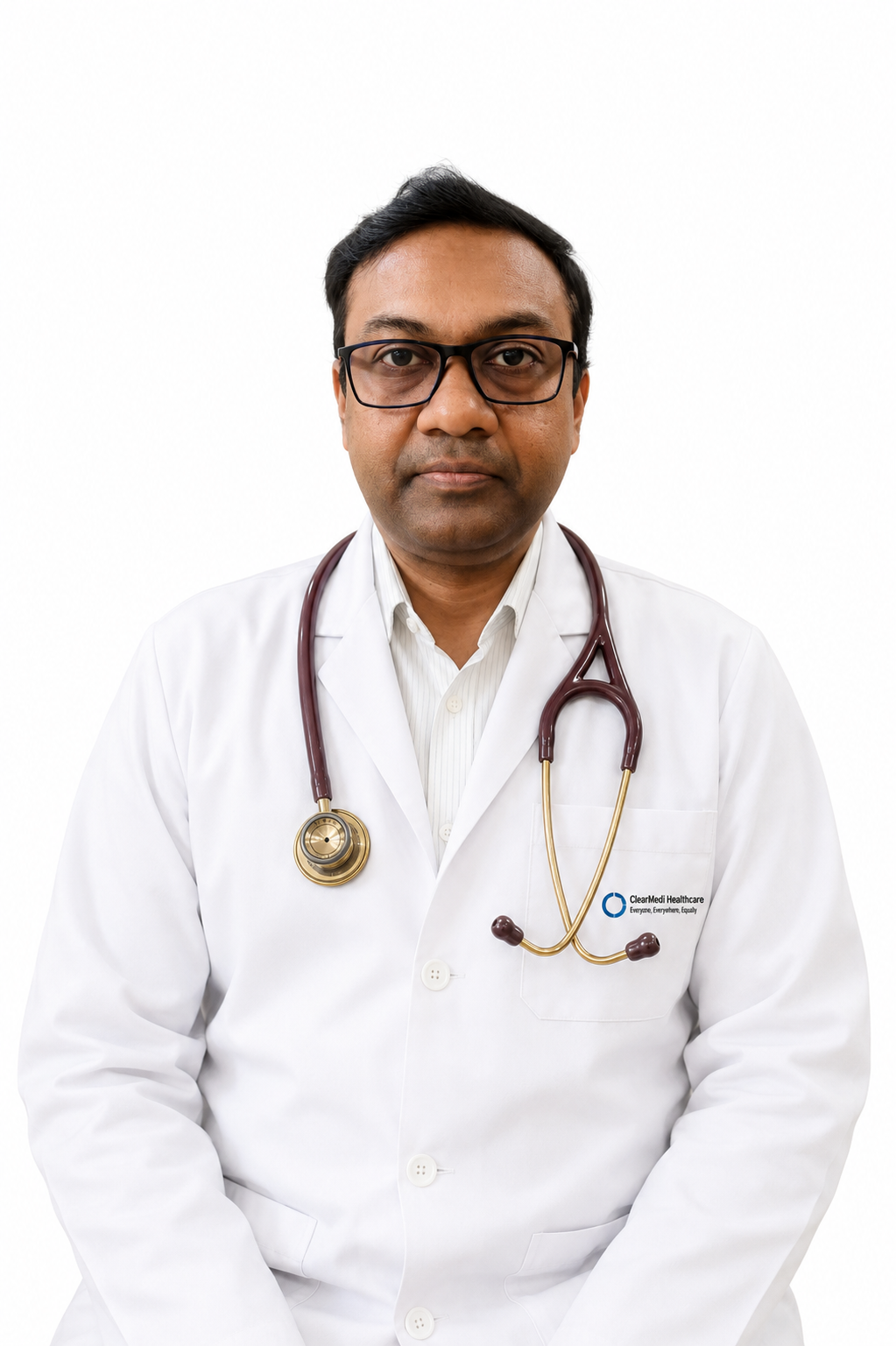
Senior Consultant – Cardiology
Experience: 18+ Years
ClearMedi Bahra Multispeciality Hospital, Kurali, NH21, Kharar, Mohali
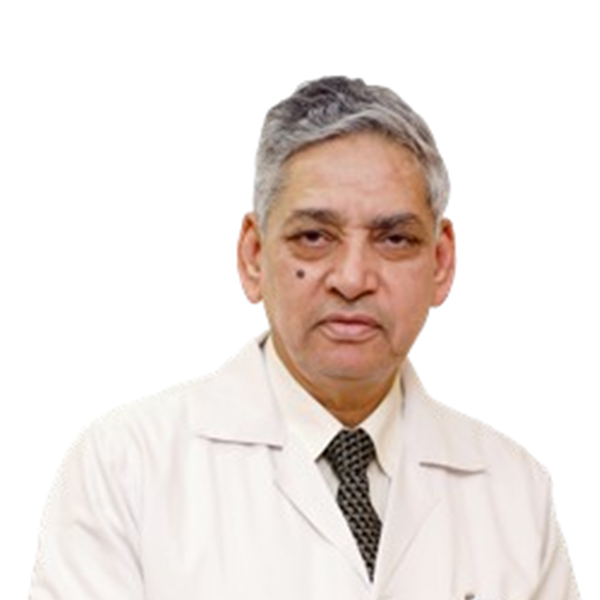
Director - Cardiology
Experience: 50+ Years
ClearMedi Bahra Multispeciality Hospital, Kurali, NH21, Kharar, Mohali
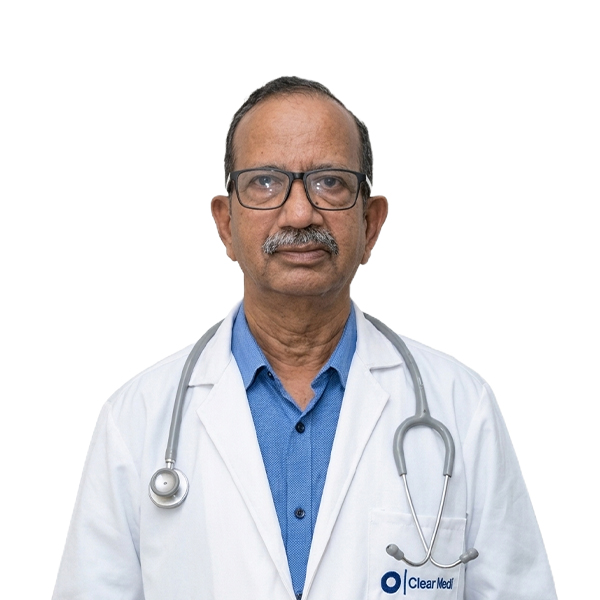
Senior Consultant - Pathology
Experience: 35+ Years
ClearMedi Paridhi Multispeciality Hospital, Kailash Vihar, Tulsi Vihar Colony, Gwalior
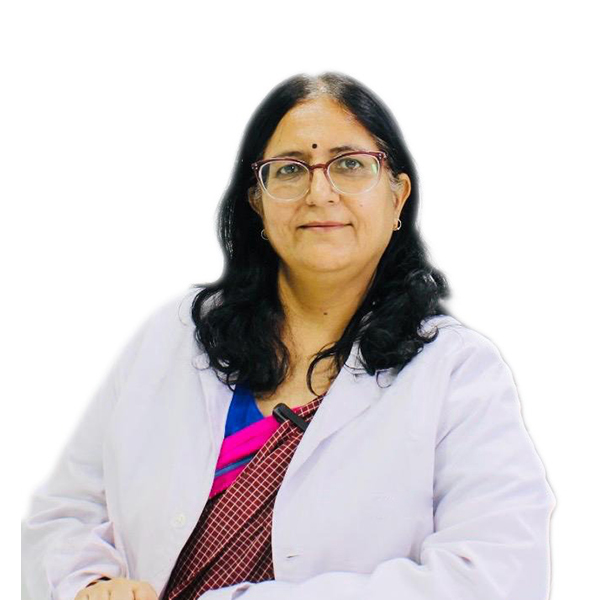
Sr. Consultant- Ophthalmology
Experience: 35+ Years
PrimaCare Clearmedi Multispeciality Hospital,Sector 104, Noida

Consultant - Orthopedics & Joint Replacement
Experience: 29+ Years
ClearMedi Paridhi Multispeciality Hospital, Kailash Vihar, Tulsi Vihar Colony, Gwalior
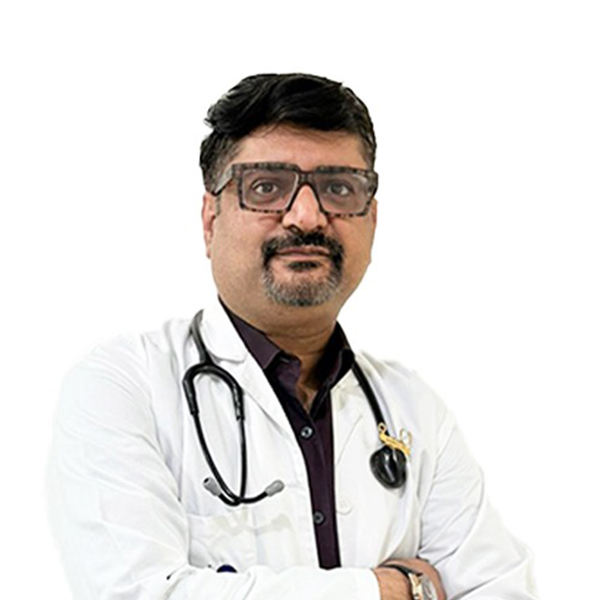
Senior Consultant – Cardiology
Experience: 27+ Years
PrimaCare Clearmedi Multispeciality Hospital,Sector 104, Noida
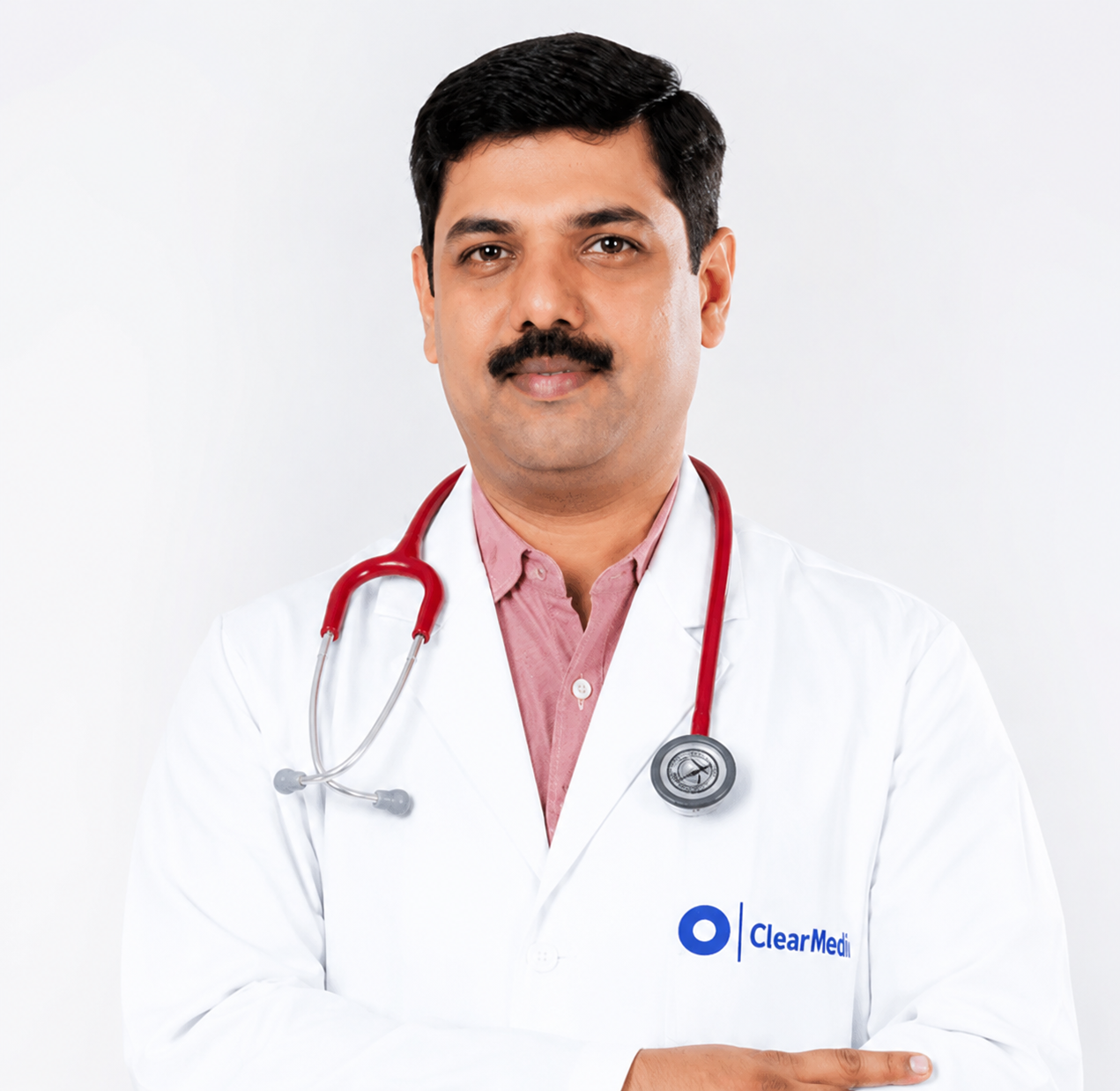
Consultant - Internal Medicine
Experience: 25+ Years
ClearMedi Radiant Hospital, Vijay Nagar 3rd Stage, Garudachar Layout, Mysuru
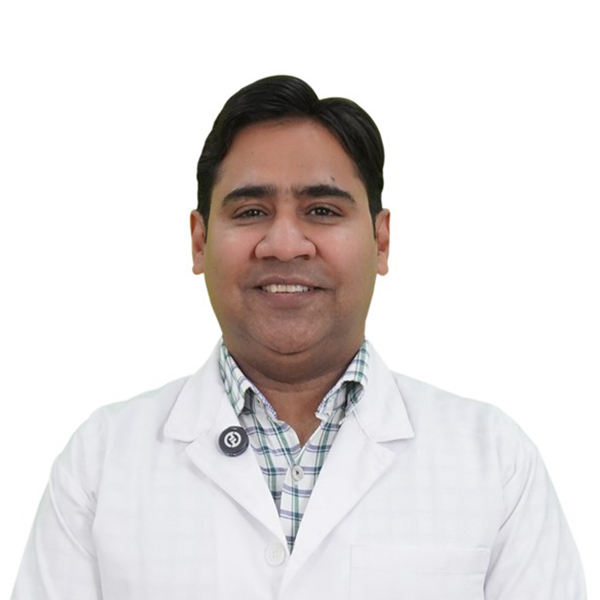
Head of Department - Anaesthesia
Experience: 25+ Years
ClearMedi Bahra Multispeciality Hospital, Kurali, NH21, Kharar, Mohali
Diabetes is a condition that happens when blood glucose is greater than the healthy range and the body doesn’t make enough insulin or doesn’t use insulin properly, or both. Insulin helps transfer glucose out of the blood and into our cells so it may be used for energy.
There’s more than one kind of diabetes too. Type 1 is characterized by little or no insulin production and requires insulin administration. Type 2 diabetes is the most common form of diabetes and is characterized by insulin resistance and inadequate insulin production. You can potentially develop diabetes during pregnancy. Other, rarer types have other reasons.
That difference is important since management of diabetes can’t be based on a single high sugar reading.
Diabetes doesn’t always announce itself clearly. Type 2 diabetes develops slowly, and some people may have few or no symptoms for a long time.
Possible indicators include:
However, having any of these symptoms doesn’t necessarily mean you have diabetes. Diagnosis is made via blood test.
A consultation may be appropriate if you have had more than one occasion of higher-than-expected blood sugar levels, your HbA1c has grown, or you have symptoms that may be related to diabetes.
If you have been told you have prediabetes or have risk factors for type 2 diabetes, you should also talk about testing. Some people have diabetes without evident symptoms, thus appropriate testing can be necessary even when you feel OK.
If you already take diabetic medication but your readings are frequently above or below your target range, it’s recommended to revisit your therapy instead of switching medications on your own.
A home glucose meter can tell you your blood sugar at a given instant, but it should not be used alone to diagnose diabetes. The diagnosis is made by proper blood testing.
Depending on the circumstances, testing might include:
You have to contextualize your results. Sometimes a single figure doesn't convey the whole story and extra tests may be needed.
Diabetes treatment is not one-size-fits-all. The strategy will depend on the kind of diabetes you have, your blood glucose levels, any other medical issues you may have, the medicines you already take, and how your body responds to treatment.
At ClearMedi Healthcare, you may find out about many aspects of diabetes management.
Blood glucose can be affected by what you eat, physical exercise, sleep, weight control, and other everyday routines. We are not advocating a schedule that is unrealistic and hard to follow; our focus is on practical adjustments.
The aim is to help you understand how your food and activity impact your glucose readings so that diabetes management is part of your normal routine.
Some patients with type 2 diabetes can improve blood glucose levels through lifestyle modifications alone, while others may need medication as well. There are various sorts of diabetic drugs and they operate in different ways. The type for you will depend on you.
Type 1 diabetes means your body doesn’t make enough insulin; hence, you need to take it. Some persons with type 2 diabetes may also need insulin, depending on the disease and what therapy is needed.
We do not advise that you change or stop taking your drugs for diabetes without medical guidance.
Checking often helps you and your healthcare team learn how your glucose behaves during the day. Some people use a regular blood glucose meter, but continuous glucose monitoring may be helpful in certain patients, particularly those who require greater detail in glucose monitoring.
The number of times you get tested depends on your treatment and your circumstances.
Diabetes care is about more than lowering a glucose number.
Poorly treated diabetes can cause problems with the heart, kidneys, eyes, nerves, feet, and other parts of the body over time.
This is why follow-up may involve talking about blood pressure, cholesterol, renal health, vision, foot health, and other pertinent issues. Early detection of changes can assist in guiding the next step in care.
We also watch for low blood sugar. Insulin and several other diabetic medications can lead to hypoglycemia. Severe hypoglycemia can be serious.
Living daily with diabetes can be exhausting, particularly if you’ve recently been diagnosed or your treatment plan is constantly changing. We don’t expect you to understand everything all at once.
Bring your questions, prior reports, glucose readings, and current medication list to your visit.
Small details can be helpful. For example, your readings may vary by when you eat, how much you exercise, if you’re sick, when you take your medicine, or other things. Looking at these patterns collectively, not just one reading, can make treatment decisions more meaningful.
Selecting a doctor for diabetic care involves more than just acquiring a prescription. You may need support with comprehending test results, changing treatment, dealing with repeat high or low readings, and arranging follow-up care.
At ClearMedi Healthcare, Sector 104, Noida, we believe in:
We aim to support you in making well-informed choices regarding long-term diabetes care, rather than resorting to short-term solutions.
If you have recently been diagnosed with diabetes, are experiencing fluctuating blood sugar levels, or want a medical assessment of your current diabetic therapy, then you can consult our specialists at ClearMedi Healthcare, Sector 104, Noida.
For appointment or consultation, please contact +91 9599565977.
FAQ






I recently found myself under your care for a cancer issue. While there, accompanied by my wife, we found that the entire staff at ClearMedi Hospital was exceedingly professional and efficient, from your E.R. receptionists to the cardiac care team. Very proud of your outstanding staff and service.
Sonia Chauhan
I was recently cared for at ClearMedi Hospital following a heart attack. I just wanted to say a few words about the exceptional care I received in the ClearMedi Hospital Cardiac Care Unit and the ICU. All of the doctors and nurses were friendly, pleasant, kind, thorough, conscientious and professional. I am happy to have been in their care.
Purab Singh
I am writing on behalf of my brother who was a patient in your hospital. I would like to thank you on behalf of my entire family for the help and consideration shown to me in what was a very difficult time. Again, I would like to thank you for the services you provide to patients and their families.
Deepal Sinha© Copyright 2026, ClearMedi. All rights reserved.





 Call: 9599565977