A sudden pain in the upper abdomen after a heavy meal may seem like ordinary indigestion, but sometimes it can be related to a gallstone. Some people have stones in the gallbladder without any symptoms at all, while others experience repeated attacks of abdominal pain, nausea, or vomiting. At ClearMedi Healthcare, Sector 104, Noida, we look beyond the presence of a stone on a scan. Our consultation focuses on your symptoms, medical history, examination findings, and test reports to understand whether the stone is actually causing the problem. If you are searching for the gallbladder stone doctor in Noida, our approach is to explain the condition clearly and discuss the treatment options relevant to your situation.
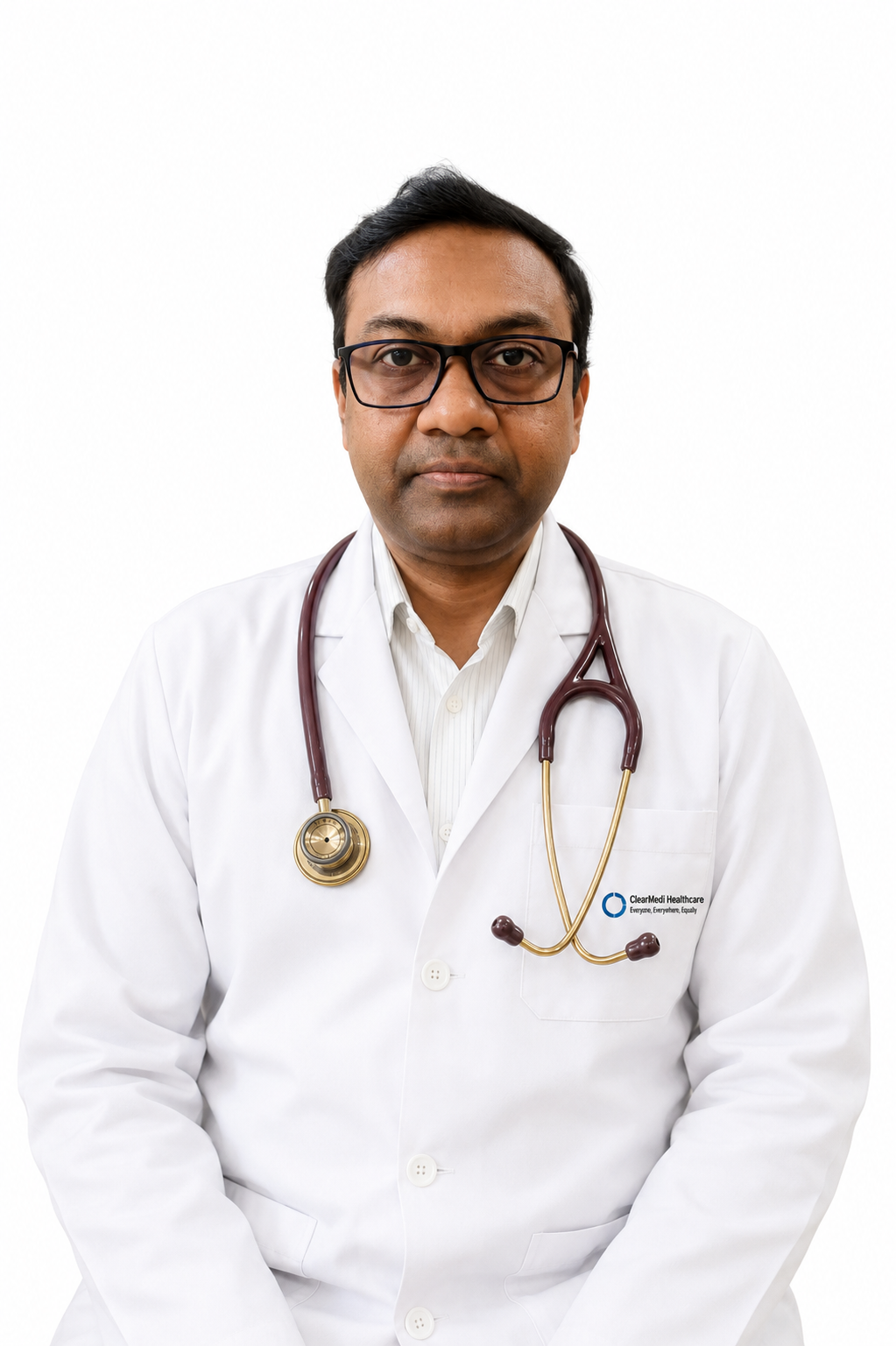
Senior Consultant – Cardiology
Experience: 18+ Years
ClearMedi Bahra Multispeciality Hospital, Kurali, NH21, Kharar, Mohali
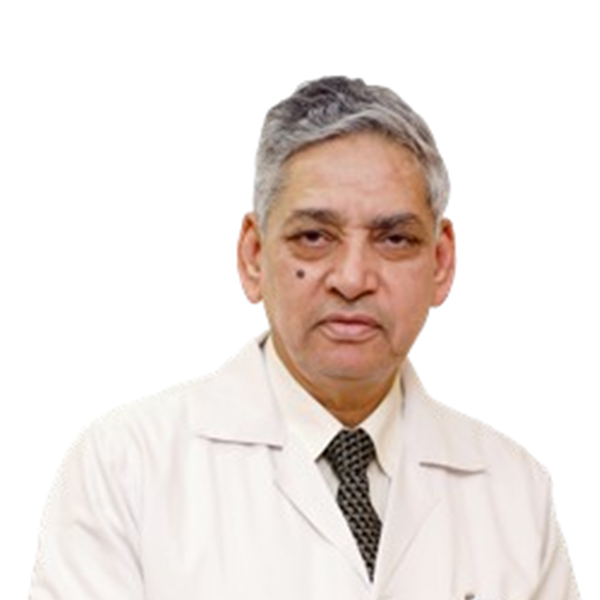
Director - Cardiology
Experience: 50+ Years
ClearMedi Bahra Multispeciality Hospital, Kurali, NH21, Kharar, Mohali
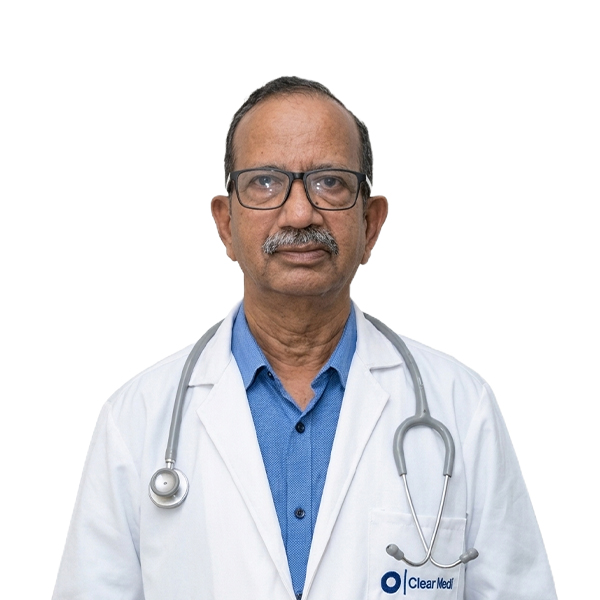
Senior Consultant - Pathology
Experience: 35+ Years
ClearMedi Paridhi Multispeciality Hospital, Kailash Vihar, Tulsi Vihar Colony, Gwalior
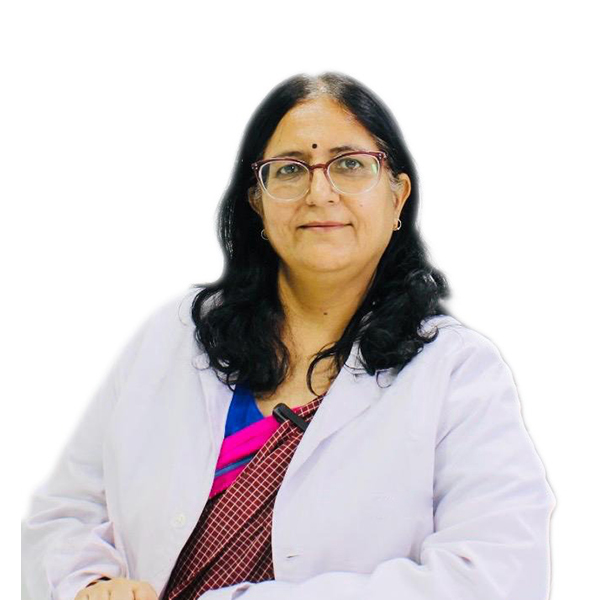
Sr. Consultant- Ophthalmology
Experience: 35+ Years
PrimaCare Clearmedi Multispeciality Hospital,Sector 104, Noida

Consultant - Orthopedics & Joint Replacement
Experience: 29+ Years
ClearMedi Paridhi Multispeciality Hospital, Kailash Vihar, Tulsi Vihar Colony, Gwalior
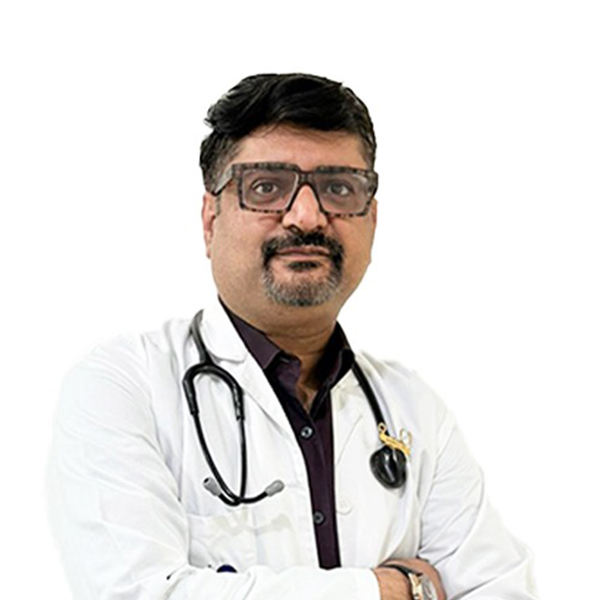
Senior Consultant – Cardiology
Experience: 27+ Years
PrimaCare Clearmedi Multispeciality Hospital,Sector 104, Noida
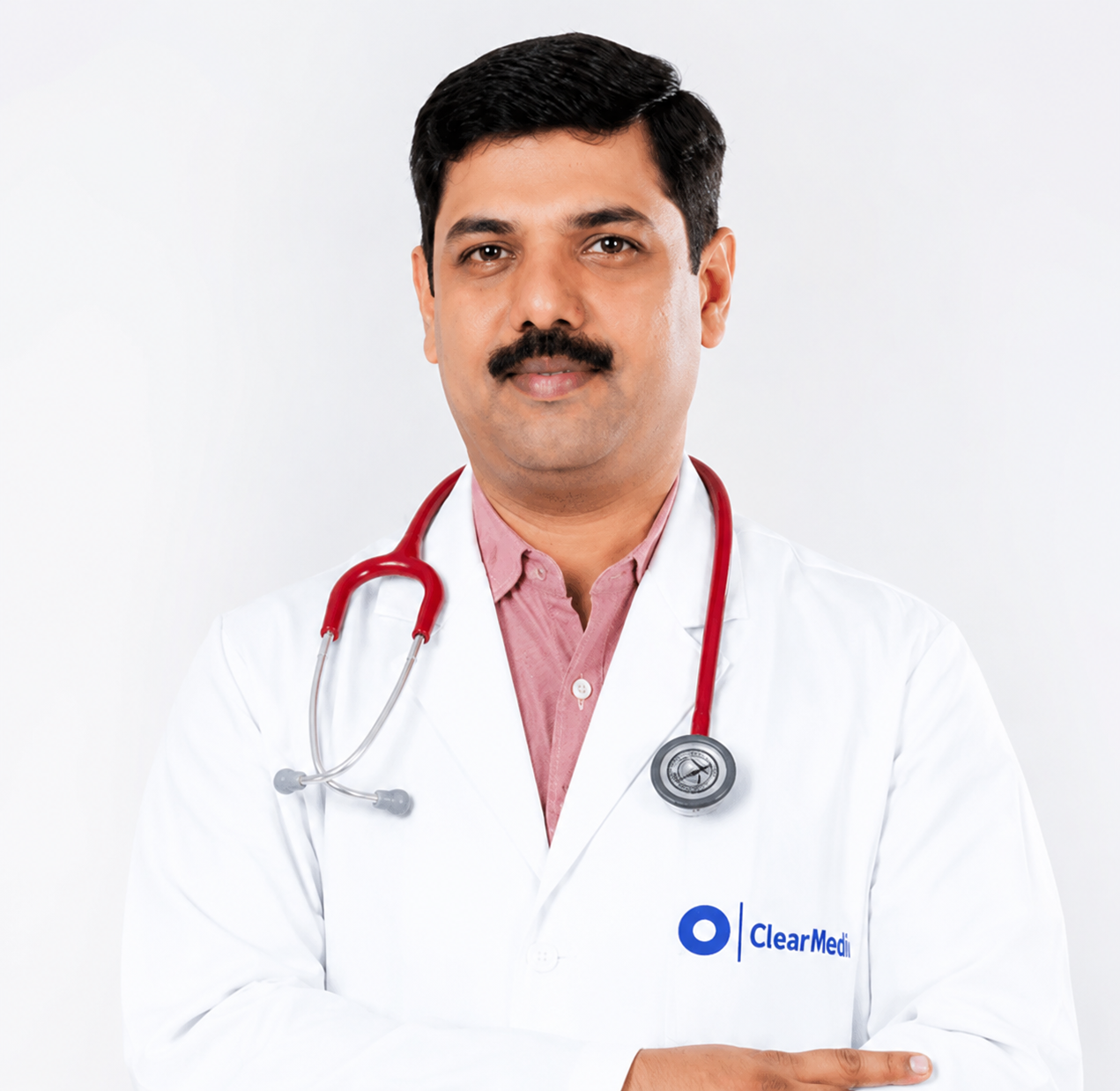
Consultant - Internal Medicine
Experience: 25+ Years
ClearMedi Radiant Hospital, Vijay Nagar 3rd Stage, Garudachar Layout, Mysuru
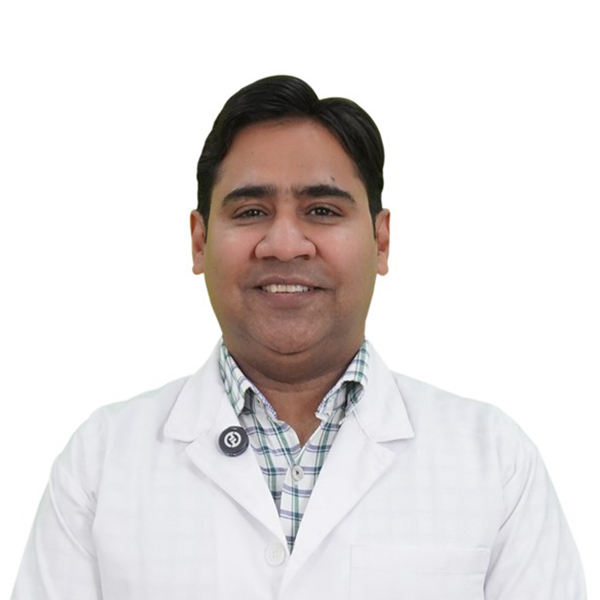
Head of Department - Anaesthesia
Experience: 25+ Years
ClearMedi Bahra Multispeciality Hospital, Kurali, NH21, Kharar, Mohali
Gallstones are hard particles that form inside the gallbladder. They are commonly made from cholesterol or bilirubin and can range from very small stones to larger ones. Not every gallstone causes symptoms. In fact, many people have what are called silent gallstones and may never require treatment for them.
Problems usually arise when a stone blocks one of the bile ducts. This can interfere with the normal flow of bile and may result in a painful gallbladder attack or other complications.
Gallstone pain does not always feel the same for everyone. A typical attack may involve pain in the upper-right part of the abdomen or the area beneath the ribs. It can sometimes continue for several hours and may occur after eating, particularly following a heavy meal.
Symptoms that may occur include:
These symptoms are not exclusive to gallstones. Similar abdominal discomfort can occur with other digestive conditions, so an appropriate medical assessment is important.
Occasional abdominal discomfort should not automatically be attributed to a gallstone. However, repeated episodes of pain, especially pain under the right ribs or pain accompanied by nausea, deserve medical attention.
You should seek prompt medical care if abdominal pain is severe or persistent, or if it occurs with fever, chills, vomiting, or jaundice. These symptoms can indicate a blockage or complication involving the gallbladder or bile ducts.
If an ultrasound has already shown gallstones, a consultation can help determine whether they are likely to be responsible for your symptoms and whether treatment is necessary.
Finding a stone is only one part of the evaluation. We also want to understand what is happening around it.
Your assessment may involve:
Ultrasound is an important first-line imaging test for gallstones, while other investigations may be considered depending on your symptoms and initial findings.
No, if gallstones are discovered incidentally and are not causing symptoms, treatment may not be necessary. The situation changes when stones cause repeated attacks, complications, or obstruction of the bile ducts. This is why we do not recommend deciding on treatment based only on the size or number of stones shown on a report. Your symptoms and overall clinical picture matter as well.
Treatment depends on whether the stones are causing symptoms or complications and where the stones are located.
For symptomatic gallstones, cholecystectomy, or surgical removal of the gallbladder, is the usual treatment. Laparoscopic surgery uses small abdominal incisions and a camera to remove the gallbladder.
The gallbladder stores bile, but it is not essential for living normally. After its removal, bile continues to flow from the liver into the intestine through the bile ducts.
Most gallbladder removal procedures are performed laparoscopically. However, open surgery may sometimes be required when the gallbladder is severely inflamed, infected, scarred, or when laparoscopic surgery is not appropriate or cannot be safely completed.
A stone that has moved into the common bile duct may require a different approach. In selected cases, ERCP can be used to locate and remove the stone from the duct. Further treatment of the gallbladder may then be considered depending on the patient's situation.
The body can function without a gallbladder. After surgery, bile flows directly from the liver into the intestine instead of being stored in the gallbladder.
Some people may temporarily notice changes in bowel habits, such as softer or more frequent stools. These changes are often temporary, but any persistent symptoms should be discussed with your healthcare team.
Recovery also depends on the type of surgery, your general health, and whether the procedure was performed for an uncomplicated condition or an emergency.
There is no way to prevent every case of gallstone disease, but some lifestyle measures may reduce risk.
Helpful habits can include:
Rapid weight loss can increase the likelihood of developing gallstones, so weight management should be gradual and sustainable.
Gallbladder problems can range from an incidental finding on an ultrasound to a painful condition requiring timely treatment. A consultation helps put your scan report into context instead of treating the report alone.
At ClearMedi Healthcare, Sector 104, Noida, we focus on:
Our goal is to make the treatment discussion clear, practical, and relevant to your symptoms.
If you have gallstone symptoms, an ultrasound showing stones, or recurring abdominal pain and want to understand what your report means, you can discuss your condition with the team at ClearMedi Healthcare, Sector 104, Noida.
Call +91 9599565977 to schedule a consultation and discuss the next step in your gallbladder care.

FAQ


I recently found myself under your care for a cancer issue. While there, accompanied by my wife, we found that the entire staff at ClearMedi Hospital was exceedingly professional and efficient, from your E.R. receptionists to the cardiac care team. Very proud of your outstanding staff and service.
Sonia Chauhan
I was recently cared for at ClearMedi Hospital following a heart attack. I just wanted to say a few words about the exceptional care I received in the ClearMedi Hospital Cardiac Care Unit and the ICU. All of the doctors and nurses were friendly, pleasant, kind, thorough, conscientious and professional. I am happy to have been in their care.
Purab Singh
I am writing on behalf of my brother who was a patient in your hospital. I would like to thank you on behalf of my entire family for the help and consideration shown to me in what was a very difficult time. Again, I would like to thank you for the services you provide to patients and their families.
Deepal Sinha© Copyright 2026, ClearMedi. All rights reserved.





 Call: 9599565977
