Knee pain can make ordinary movements feel difficult. Walking, climbing stairs, standing for long periods, exercising, or even getting up from a chair may become uncomfortable when the knee is affected. Sometimes the pain appears after an injury or strenuous activity, while in other cases it develops gradually and becomes more noticeable over time. At ClearMedi Healthcare, we look beyond the symptom itself to understand what may be causing your knee discomfort. Our evaluation considers the nature of the pain, its duration, previous injuries, physical activity, medical history, and the effect it has on your mobility. This helps us determine whether the problem may be related to the joint, cartilage, ligaments, tendons, muscles, or another underlying condition. For those searching for the Knee Pain Doctor in Noida, our focus is on providing an appropriate assessment and developing care around the individual's condition rather than following a one-size-fits-all approach.
Senior Consultant – Cardiology
Experience: 18+ Years
ClearMedi Bahra Multispeciality Hospital, Kurali, NH21, Kharar, Mohali
Director - Cardiology
Experience: 50+ Years
ClearMedi Bahra Multispeciality Hospital, Kurali, NH21, Kharar, Mohali
Senior Consultant - Pathology
Experience: 35+ Years
ClearMedi Paridhi Multispeciality Hospital, Kailash Vihar, Tulsi Vihar Colony, Gwalior
Sr. Consultant- Ophthalmology
Experience: 35+ Years
PrimaCare Clearmedi Multispeciality Hospital,Sector 104, Noida

Consultant - Orthopedics & Joint Replacement
Experience: 29+ Years
ClearMedi Paridhi Multispeciality Hospital, Kailash Vihar, Tulsi Vihar Colony, Gwalior
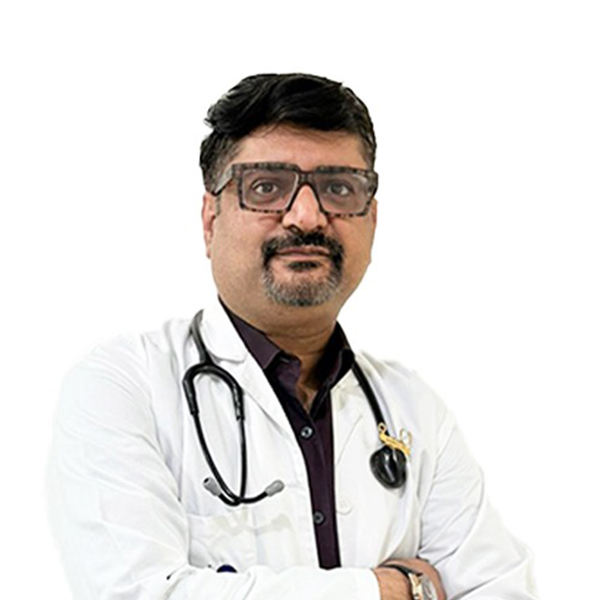
Senior Consultant – Cardiology
Experience: 27+ Years
PrimaCare Clearmedi Multispeciality Hospital,Sector 104, Noida
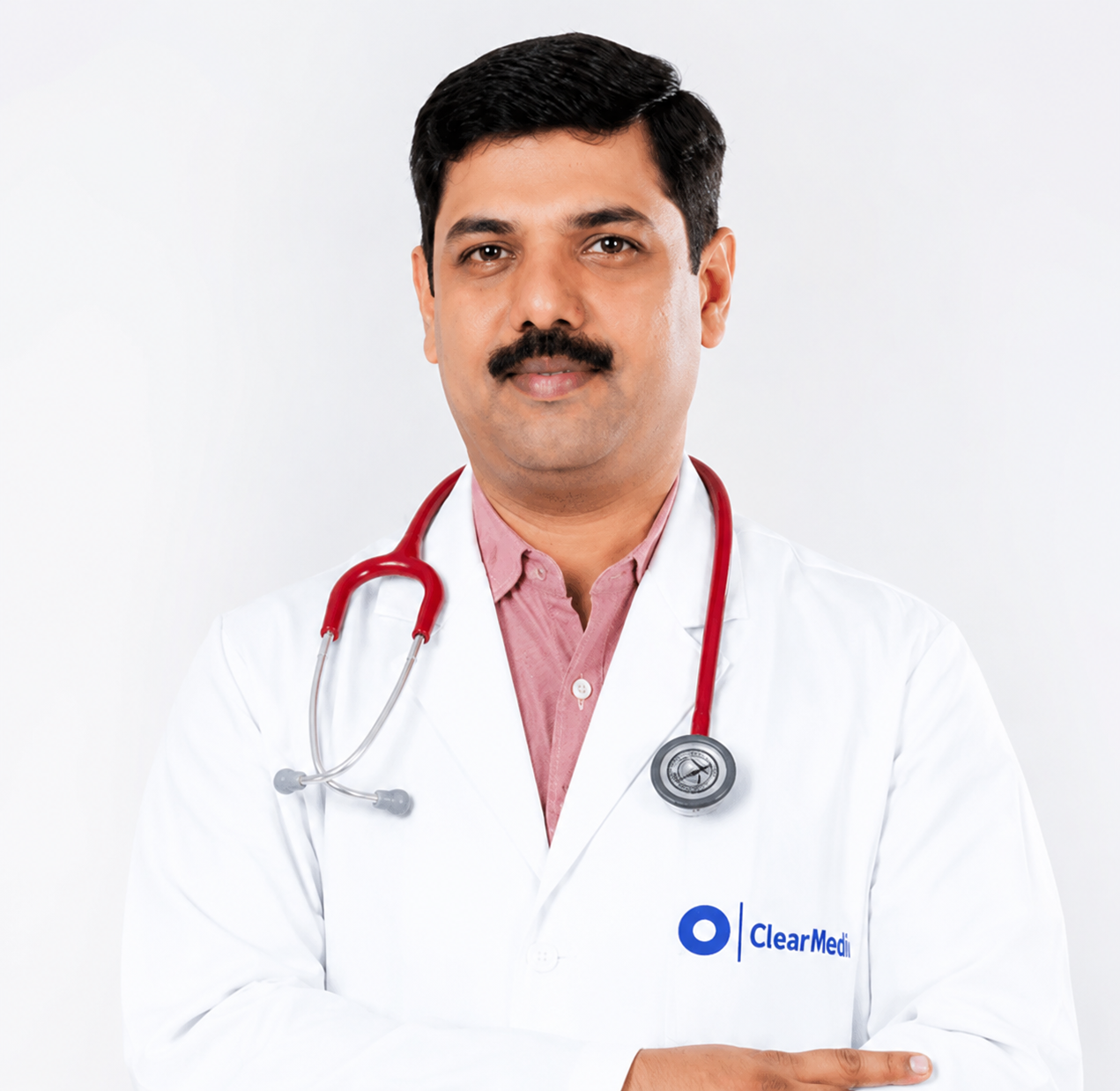
Consultant - Internal Medicine
Experience: 25+ Years
ClearMedi Radiant Hospital, Vijay Nagar 3rd Stage, Garudachar Layout, Mysuru
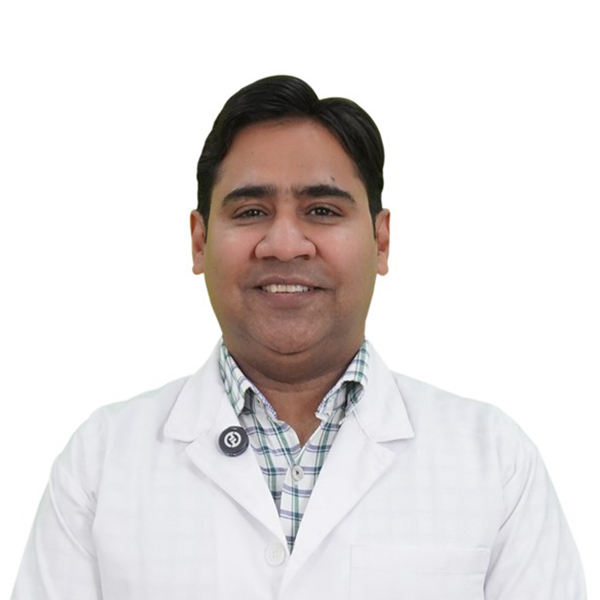
Head of Department - Anaesthesia
Experience: 25+ Years
ClearMedi Bahra Multispeciality Hospital, Kurali, NH21, Kharar, Mohali
The knee carries much of the body's weight and is involved in almost every lower-body movement. Repeated stress, sudden injuries, inflammation, and changes within the joint can therefore contribute to pain.
Some of the conditions we may evaluate include:
The severity of symptoms does not always indicate the extent of the underlying problem. A relatively minor injury may cause considerable discomfort, while some chronic conditions can progress gradually. A clinical evaluation helps us understand the difference.
Knee pain can present differently from one person to another. You may notice discomfort only during certain movements, or you may experience symptoms even while resting.
Pay attention to changes such as:
Sharing these details during consultation can help us understand how the condition is affecting your daily life and what further assessment may be useful.
We begin with a detailed discussion rather than immediately recommending a treatment. We want to know when your symptoms started, whether they followed an injury, which movements increase the discomfort, and whether you have experienced similar problems before.
A physical examination allows us to assess movement, stability, tenderness, swelling, muscle strength, and other clinical findings. When additional information is needed, diagnostic imaging may be recommended.
Depending on the suspected condition, investigations can include:
X-ray: Useful for assessing bones and certain changes within the knee joint.
MRI: Can provide detailed information about structures such as ligaments, menisci, cartilage, and other soft tissues.
Ultrasound: May be useful for evaluating selected soft-tissue structures and fluid around the joint.
The choice of investigation is based on the individual case. We do not believe that every patient with knee pain requires the same set of tests.
There is no universal treatment for knee pain. Our recommendations depend on the diagnosis, severity of symptoms, age, activity level, overall health, and the extent to which the condition is affecting mobility.
For Knee Pain Treatment in Noida, we may consider conservative care, rehabilitation, medication, injections, or surgical intervention, depending on what is causing the problem.
For several knee conditions, treatment may begin without surgery. Depending on the diagnosis, this may involve:
Physiotherapy can be particularly useful when reduced strength, flexibility, or movement contributes to the problem. Exercises should be selected according to the patient's condition rather than performed without professional guidance.
Some injuries and advanced joint diseases may necessitate more aggressive treatment. If the symptoms persist, or there is substantial structural damage, we will determine if a procedural or surgical alternative might result in a better outcome.
The decision is taken on the basis of the clinical picture, the results of the diagnosis, the functional limits and the response to previous therapy. We discuss the different options so the patient understands the potential benefits, restrictions and anticipated recovery.
Our goal is not simply to make the knee hurt less. We also want to help patients regain useful movement and confidence in their everyday activities.
Recovery may involve a gradual progression rather than an immediate return to full activity. Depending on the condition, we may advise patients on:
Following the recommended rehabilitation plan can be an important part of maintaining the improvement achieved through treatment.
It can be tempting to ignore knee discomfort, especially when the pain comes and goes. However, repeatedly working through pain without understanding its cause may allow an underlying problem to continue.
Consider arranging a medical assessment when:
Severe pain following an injury, an obvious deformity, significant swelling, or an inability to use the leg normally requires prompt medical attention.
At ClearMedi Healthcare, we recognise that effective knee care starts with understanding the individual behind the symptom. Someone with an active lifestyle may have very different treatment requirements from someone experiencing gradual age-related joint changes.
We therefore build our approach around the patient's:
This allows us to discuss treatment options that are relevant to the actual condition instead of recommending the same approach to everyone.
Patients looking for the Knee Pain Doctor in Noida can benefit from choosing care that combines appropriate diagnosis with an individualised treatment plan and follow-up when needed.
Knee pain should not have to become a permanent limitation on your movement or daily routine. Understanding the cause can help you make informed decisions about treatment and recovery.
At ClearMedi Healthcare, Sector 104, Noida, we assess knee-related concerns and develop treatment plans according to each patient's symptoms, diagnosis, and individual needs. To arrange a consultation with our team, call +91 9599565977 or visit the official ClearMedi website to learn more about our services.
Let us help you understand your knee problem and explore the care options suited to your condition.
FAQ



I recently found myself under your care for a cancer issue. While there, accompanied by my wife, we found that the entire staff at ClearMedi Hospital was exceedingly professional and efficient, from your E.R. receptionists to the cardiac care team. Very proud of your outstanding staff and service.
Sonia Chauhan
I was recently cared for at ClearMedi Hospital following a heart attack. I just wanted to say a few words about the exceptional care I received in the ClearMedi Hospital Cardiac Care Unit and the ICU. All of the doctors and nurses were friendly, pleasant, kind, thorough, conscientious and professional. I am happy to have been in their care.
Purab Singh
I am writing on behalf of my brother who was a patient in your hospital. I would like to thank you on behalf of my entire family for the help and consideration shown to me in what was a very difficult time. Again, I would like to thank you for the services you provide to patients and their families.
Deepal Sinha© Copyright 2026, ClearMedi. All rights reserved.





 Call: 9599565977
