Finding a lump in the breast can immediately raise a worrying question: “Could this be cancer?” The answer cannot be determined by the feel or appearance of a lump alone. Many breast changes are caused by conditions that are not cancer, but a new or unusual change should still be checked rather than ignored.
At ClearMedi, we understand that waiting for a diagnosis can be stressful. Our approach begins with listening to what you have noticed and reviewing the relevant examination and investigation reports. When you consult the Breast Cancer Doctor in Noida, we focus on understanding the nature of the breast abnormality, confirming the diagnosis when required, and explaining what the findings mean before discussing treatment options.
Senior Consultant – Cardiology
Experience: 18+ Years
ClearMedi Bahra Multispeciality Hospital, Kurali, NH21, Kharar, Mohali
Director - Cardiology
Experience: 50+ Years
ClearMedi Bahra Multispeciality Hospital, Kurali, NH21, Kharar, Mohali
Senior Consultant - Pathology
Experience: 35+ Years
ClearMedi Paridhi Multispeciality Hospital, Kailash Vihar, Tulsi Vihar Colony, Gwalior
Sr. Consultant- Ophthalmology
Experience: 35+ Years
PrimaCare Clearmedi Multispeciality Hospital,Sector 104, Noida

Consultant - Orthopedics & Joint Replacement
Experience: 29+ Years
ClearMedi Paridhi Multispeciality Hospital, Kailash Vihar, Tulsi Vihar Colony, Gwalior
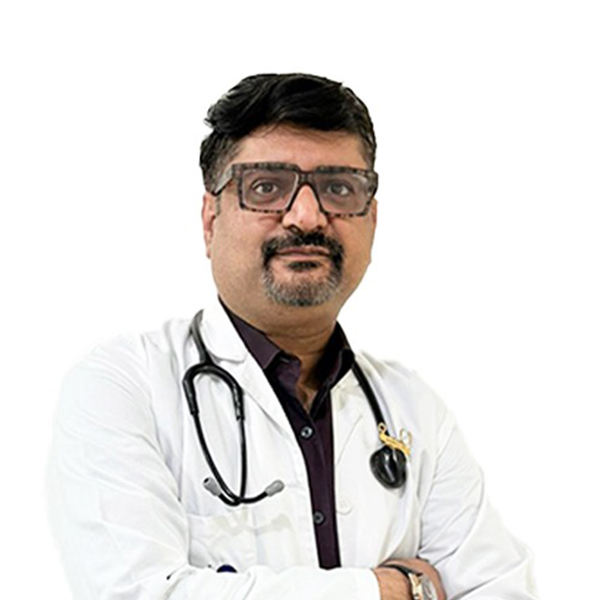
Senior Consultant – Cardiology
Experience: 27+ Years
PrimaCare Clearmedi Multispeciality Hospital,Sector 104, Noida
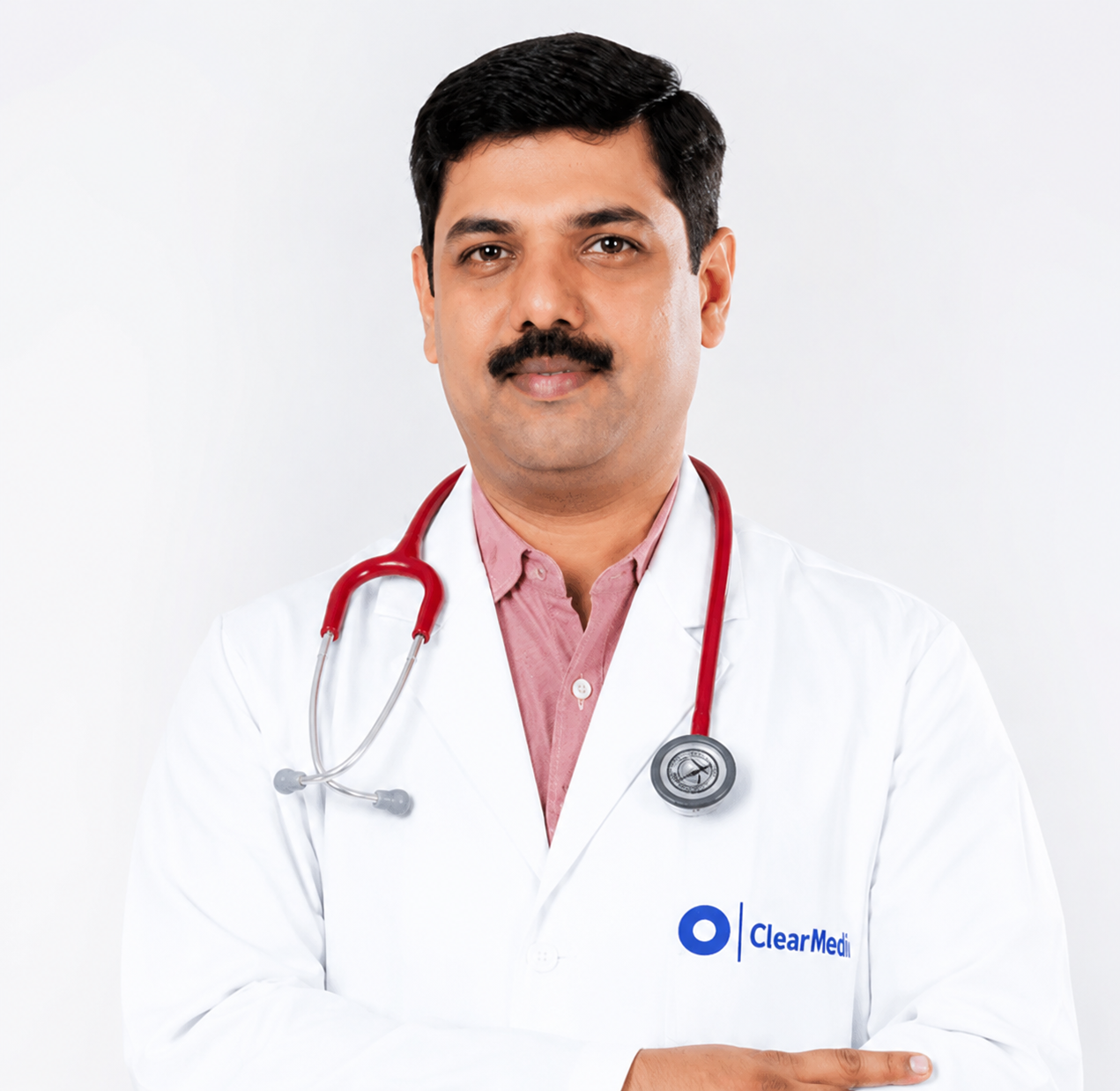
Consultant - Internal Medicine
Experience: 25+ Years
ClearMedi Radiant Hospital, Vijay Nagar 3rd Stage, Garudachar Layout, Mysuru
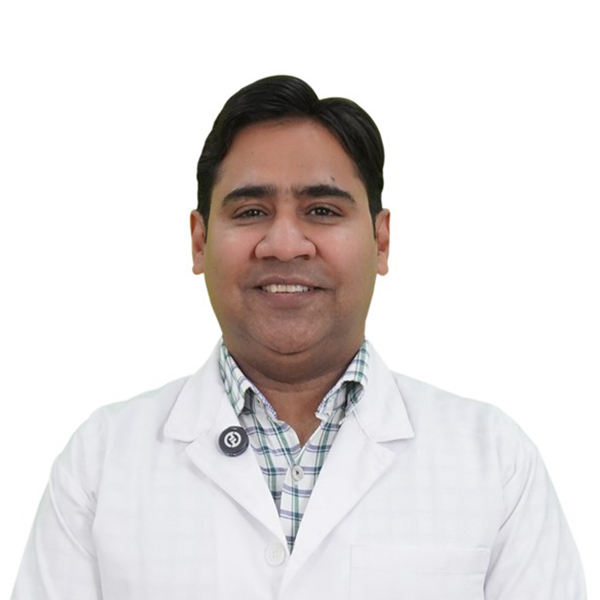
Head of Department - Anaesthesia
Experience: 25+ Years
ClearMedi Bahra Multispeciality Hospital, Kurali, NH21, Kharar, Mohali
Breast cancer develops when abnormal cells grow in the breast and continue multiplying in an uncontrolled manner. It can begin in different parts of the breast and may behave differently from one patient to another.
A lump is one of the changes that can bring someone to a doctor, but it is not the only one. Some people notice a change in breast shape or size, skin changes, nipple changes, or unusual discharge. Others may have no obvious symptoms and have an abnormality detected during screening.
This is why we do not try to determine the nature of a breast change simply from its appearance. The appropriate examination and investigations are important for finding out what is actually happening.
You may notice a breast change while bathing, dressing, or during your usual routine. It may also be found during a screening examination.
Please arrange a medical assessment if you notice:
Not every one of these signs means breast cancer. In fact, many breast lumps are not cancerous. The important point is to have an unexplained change assessed instead of trying to diagnose it yourself.
The consultation is not simply about looking for a lump. We first try to understand the complete picture.
We may discuss when you first noticed the change, whether it has altered over time, whether there is pain or discharge, and whether you have experienced any previous breast problems. Your personal and family medical history can also be relevant.
After the clinical examination, the next investigation depends on what has been found and the patient's circumstances.
Mammography uses X-ray images of the breast to identify abnormal areas. It can be used as part of screening and may also help investigate a breast concern.
Ultrasound uses sound waves to produce images of breast tissue. It can help assess an area that feels different and may provide additional information about a lump or other abnormal finding.
MRI can produce detailed images of breast tissue and may be recommended in particular clinical situations when additional information is needed. It is not automatically required for every breast complaint.
If imaging identifies an area that needs further investigation, a biopsy may be recommended. During a biopsy, a sample of cells or tissue is collected and examined by a pathologist.
A biopsy is important because imaging alone cannot always establish whether an abnormal area is cancerous. Tissue examination can confirm the diagnosis and provide information that helps guide subsequent treatment.
If a biopsy confirms breast cancer, there are still several details to understand. Breast cancer is not one identical disease in every patient.
The pathology report can provide information about the type and characteristics of the cancer. Doctors may also assess tumour grade and specific biomarkers, including hormone receptor and HER2 status. These findings can influence which treatments may be appropriate.
We also need to understand whether the cancer has remained within the breast or has involved nearby lymph nodes or other parts of the body. This process is known as staging.
The stage and biological characteristics of the cancer are important when planning treatment.
There is no single procedure that every patient with breast cancer needs.
The treatment plan may involve one treatment or a combination of different approaches. The decision can depend on the type of cancer, its stage, tumour characteristics, overall health, and other individual factors.
Surgery may be used to remove the cancer from the breast. Depending on the situation, this may involve breast-conserving surgery, such as a lumpectomy, or removal of the entire breast through mastectomy.
Nearby lymph nodes may also be assessed during treatment. A sentinel lymph node biopsy is one method used to check whether cancer cells have reached the lymph nodes.
The choice between different surgical approaches depends on the location and extent of the cancer and other clinical considerations.
Chemotherapy uses medicines that act against cancer cells. It may be given before surgery in some situations or after surgery in others. Not every patient with breast cancer needs chemotherapy. Its role depends on the characteristics and stage of the disease.
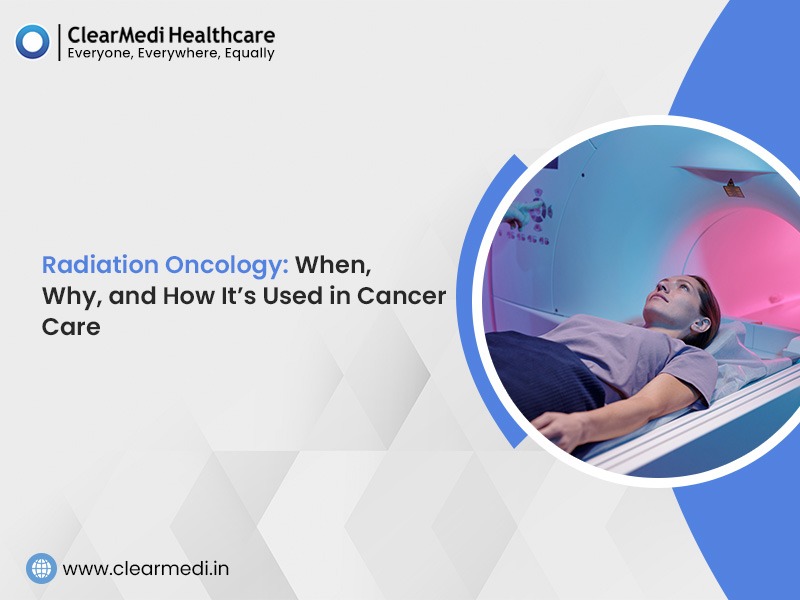
Radiation uses high-energy treatment to target cancer cells in a particular area. It may form part of treatment after breast-conserving surgery and may also be recommended in selected situations following other forms of treatment.
Some breast cancers use hormones such as estrogen or progesterone to grow. When testing shows that a cancer is hormone-receptor positive, hormone therapy may be included in the treatment plan.
The medicines and duration of treatment depend on the individual diagnosis and other factors.
Certain breast cancers have biological features that make them suitable for targeted medicines. Immunotherapy may also be used for selected types, including some triple-negative breast cancers.
These treatments are not appropriate for everyone. Their use depends on the specific characteristics of the cancer and the overall treatment plan.
One of the most difficult parts of discovering a breast change is deciding whether to wait and see if it disappears.
We recommend getting an unexplained change assessed rather than postponing the consultation. Early diagnosis can allow breast cancer to be identified before it has spread further, and treatment options depend in part on how advanced the disease is when diagnosed.
This does not mean every lump should be assumed to be cancer. It means that the reason for the change should be established properly.
Breast cancer can occur without an obvious cause, so having no known risk factor does not eliminate the possibility of developing it.
Some factors can increase risk, including certain inherited gene changes. WHO identifies mutations in genes such as BRCA1, BRCA2, and PALB2 as important inherited risk factors for some people.
Family history may also be relevant when assessing an individual's risk. If several close relatives have had breast or related cancers, your doctor may discuss whether genetic counselling or testing could be appropriate.
Risk assessment is individual. A person should not assume that having one risk factor means they will develop cancer, nor that having none means they cannot.
A cancer diagnosis affects more than the treatment schedule. Patients may be thinking about their family, work, appearance, finances, recovery, and what life will look like after treatment.
These concerns deserve space during medical consultations.
At ClearMedi, we encourage patients to ask questions about their diagnosis and proposed treatment rather than leaving with unanswered doubts. Understanding why a particular treatment has been suggested can make the treatment journey easier to follow.
After active treatment, follow-up remains important. If a new symptom or breast change appears later, it should be discussed with the treating team rather than ignored.
You should never wait for a breast lump to hurt before seeking medical care. Some worrying changes can happen without visible pain. Breast cancer tumors may not be unpleasant.
If you have seen any of the following, consider speaking to a breast doctor:
Please bring your abnormal mammography, ultrasound, biopsy report or past cancer diagnosis to the consultation so that we can grasp your situation without having to repeat information.
When a report mentions the possibility of cancer, patients are sometimes inundated with a lot of medical information in a short time. It can be tough to know which discoveries are essential and what steps to take next. We evaluate the reports accessible at ClearMedi and explain the diagnosis in layman’s terms. If a biopsy has already been done, the pathology results can help steer the conversation regarding staging and treatment. If a diagnosis is not yet proven, we concentrate on completing the proper evaluation. If you are looking for a breast doctor near me, it is helpful to bring your mammography or ultrasound reports, biopsy results, past medications and relevant family or medical history to the consultation.
A breast lump or an abnormal scan can leave you with more questions than answers. You do not have to decide what the finding means by yourself.
At ClearMedi Healthcare, Sector 104, Noida, we help patients understand their breast-related concerns, review relevant investigations, and discuss the treatment pathway based on the diagnosis.
Call +91 9599565977 to schedule a consultation with the Breast Cancer Doctor in Noida and discuss your next step with our team.
FAQ






I recently found myself under your care for a cancer issue. While there, accompanied by my wife, we found that the entire staff at ClearMedi Hospital was exceedingly professional and efficient, from your E.R. receptionists to the cardiac care team. Very proud of your outstanding staff and service.
Sonia Chauhan
I was recently cared for at ClearMedi Hospital following a heart attack. I just wanted to say a few words about the exceptional care I received in the ClearMedi Hospital Cardiac Care Unit and the ICU. All of the doctors and nurses were friendly, pleasant, kind, thorough, conscientious and professional. I am happy to have been in their care.
Purab Singh
I am writing on behalf of my brother who was a patient in your hospital. I would like to thank you on behalf of my entire family for the help and consideration shown to me in what was a very difficult time. Again, I would like to thank you for the services you provide to patients and their families.
Deepal Sinha© Copyright 2026, ClearMedi. All rights reserved.





 Call: 9599565977
