If they have chest discomfort, dyspnea, unusual weariness or impaired stamina, people often question if there is a problem with their heart. In such cases, consulting the Heart Blockage Doctor in Noida can help patients find out whether their symptoms could be related to coronary artery disease or any other heart ailment. At ClearMedi we know that the word “heart blockage” might be a scary one. A good consultation starts with finding out about your symptoms, medical history, health issues and cardiovascular risk factors. Depending on this assessment, the doctor may suggest appropriate cardiac investigations to find out if there is blockage of a coronary artery and how much it may be influencing the blood flow. The goal is to not just find a blockage, but to grasp the full cardiac picture and steer the patient to a suitable course of action.

Senior Consultant – Cardiology
Experience: 18+ Years
ClearMedi Bahra Multispeciality Hospital, Kurali, NH21, Kharar, Mohali
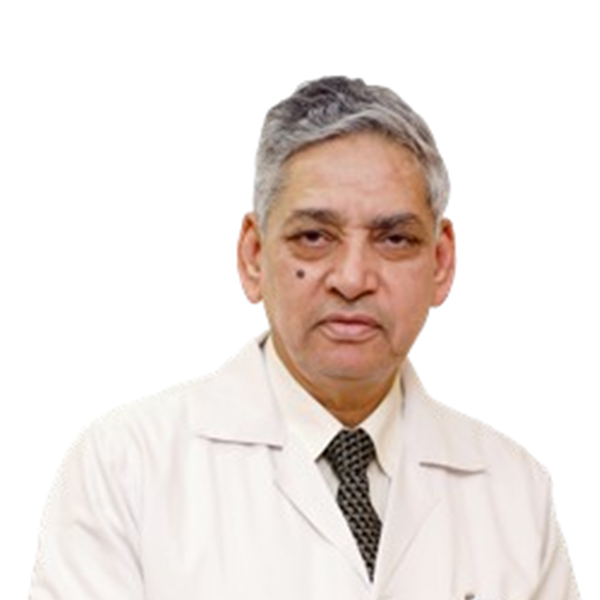
Director - Cardiology
Experience: 50+ Years
ClearMedi Bahra Multispeciality Hospital, Kurali, NH21, Kharar, Mohali

Senior Consultant - Pathology
Experience: 35+ Years
ClearMedi Paridhi Multispeciality Hospital, Kailash Vihar, Tulsi Vihar Colony, Gwalior

Sr. Consultant- Ophthalmology
Experience: 35+ Years
PrimaCare Clearmedi Multispeciality Hospital,Sector 104, Noida

Consultant - Orthopedics & Joint Replacement
Experience: 29+ Years
ClearMedi Paridhi Multispeciality Hospital, Kailash Vihar, Tulsi Vihar Colony, Gwalior

Senior Consultant – Cardiology
Experience: 27+ Years
PrimaCare Clearmedi Multispeciality Hospital,Sector 104, Noida

Consultant - Internal Medicine
Experience: 25+ Years
ClearMedi Radiant Hospital, Vijay Nagar 3rd Stage, Garudachar Layout, Mysuru

Head of Department - Anaesthesia
Experience: 25+ Years
ClearMedi Bahra Multispeciality Hospital, Kurali, NH21, Kharar, Mohali
Heart blockage commonly refers to narrowing of the coronary arteries, the blood vessels responsible for supplying oxygen-rich blood to the heart muscle. This narrowing often develops because of plaque buildup inside the artery, a process known as atherosclerosis. A patient may have a mild narrowing without obvious symptoms, while another may develop chest discomfort or breathlessness during physical activity.
The significance of a blockage depends on several factors, including its location, extent, effect on blood flow, symptoms, and whether other coronary arteries are also affected. It is also important to understand that coronary artery blockage is different from an electrical heart block, which involves problems with the heart's electrical conduction system. A consultation helps determine what type of heart-related problem may actually be responsible for the patient's symptoms.
Many patients delay cardiac consultation because they assume occasional discomfort or tiredness is caused by stress, acidity, age, or lack of sleep. However, recurring or unexplained symptoms should not be ignored, particularly when cardiovascular risk factors are present.
You may consider consulting a heart blockage doctor if you experience:
Sudden severe chest pain or pressure, significant breathlessness, fainting, cold sweating, or pain spreading to the arm, back, neck, or jaw may require emergency medical attention rather than a routine appointment.
A consultation involves much more than asking whether a blockage is present. The doctor first looks at the patient's overall cardiovascular risk and the nature of the symptoms.
Important points may include:
Symptoms and their pattern: When the discomfort occurs, how long it lasts, what brings it on, and whether it improves with rest can provide important clinical information.
Medical history: Existing conditions such as diabetes, hypertension, high cholesterol, kidney disease, or previous cardiac problems may influence the assessment.
Family history: A history of premature coronary artery disease in close family members can be relevant when evaluating cardiovascular risk.
Lifestyle factors: Smoking, tobacco use, physical inactivity, dietary habits, weight, and alcohol consumption may all be considered.
Previous reports: Earlier ECGs, echocardiograms, stress tests, scans, blood tests, or angiography reports can help the doctor understand changes over time.
This detailed evaluation helps determine whether further cardiac testing is required.
The investigations recommended during a heart blockage evaluation depend on the patient's symptoms and clinical findings. There is no single test that is appropriate for everyone.
An ECG records the heart's electrical activity and can provide information about rhythm and certain changes associated with heart disease.
An echocardiogram uses ultrasound to assess the heart's structure, pumping function, and movement of the heart muscle.
A stress test may be considered when the doctor needs to assess how the heart responds to increased workload.
In selected patients, coronary CT angiography can provide detailed images of the coronary arteries and help identify plaque or narrowing.
Coronary angiography is an invasive investigation that provides detailed information about the coronary arteries and may be used when significant coronary disease is suspected or when an intervention is being considered.
The doctor decides which investigation is appropriate based on the individual patient's situation rather than ordering every test routinely.
Finding a blockage does not automatically mean that a patient needs angioplasty or surgery. Treatment decisions depend on the patient's symptoms, the location and severity of the narrowing, its effect on blood flow, overall coronary anatomy, and other medical factors.
For some patients, treatment may involve medicines along with management of cholesterol, blood pressure, diabetes, tobacco use, weight, and other cardiovascular risk factors.
For selected coronary blockages, angioplasty with stent may be considered to improve blood flow through the narrowed artery.
In patients with more extensive or complex coronary artery disease, coronary artery bypass surgery (CABG) may be considered.
A heart blockage doctor helps the patient understand why a particular approach may be recommended and whether additional evaluation is needed before making a treatment decision.
Patients looking for a heart blockage doctor in Noida often want more than a test or procedure. They need someone who can look at their symptoms and reports together and explain what they mean.
At ClearMedi Healthcare, the consultation is centred around understanding the patient's cardiovascular concerns and developing the next step based on the clinical findings. This may include reviewing previous cardiac reports, identifying relevant risk factors, recommending appropriate investigations, and discussing available treatment approaches when coronary disease is confirmed.
For patients who already have an angiography or cardiac scan report, the consultation can also help them understand the significance of the findings instead of relying only on the percentage of blockage mentioned in the report.
If you are visiting a heart blockage doctor for the first time, carrying your previous medical information can make the consultation more useful.
Consider bringing:
You should also be prepared to explain when your symptoms started, how frequently they occur, what triggers them, and whether they improve with rest.
If you have recurring chest discomfort, breathlessness, reduced exercise tolerance, or risk factors for coronary artery disease, timely cardiac evaluation can help clarify the cause of your symptoms.
Connect with ClearMedi Healthcare, Sector 104, Noida, for consultation and evaluation related to heart blockage and coronary artery disease.
Call +91 9599565977 to book your appointment.
FAQ


I recently found myself under your care for a cancer issue. While there, accompanied by my wife, we found that the entire staff at ClearMedi Hospital was exceedingly professional and efficient, from your E.R. receptionists to the cardiac care team. Very proud of your outstanding staff and service.
Sonia Chauhan
I was recently cared for at ClearMedi Hospital following a heart attack. I just wanted to say a few words about the exceptional care I received in the ClearMedi Hospital Cardiac Care Unit and the ICU. All of the doctors and nurses were friendly, pleasant, kind, thorough, conscientious and professional. I am happy to have been in their care.
Purab Singh
I am writing on behalf of my brother who was a patient in your hospital. I would like to thank you on behalf of my entire family for the help and consideration shown to me in what was a very difficult time. Again, I would like to thank you for the services you provide to patients and their families.
Deepal Sinha© Copyright 2026, ClearMedi. All rights reserved.





 Call: 9599565977
