Back pain can start with something as ordinary as sitting for too long, lifting a heavy object, bending awkwardly, or spending hours in one position. Sometimes it settles within a short period. In other cases, the discomfort continues, returns repeatedly, or begins affecting sleep, movement, and work.
At ClearMedi Healthcare, we believe persistent back pain deserves more than temporary relief without understanding its cause. Our approach begins with identifying the pattern of symptoms and assessing how the problem is affecting your daily life. Depending on the findings, we may evaluate the muscles, joints, discs, nerves, or other structures associated with the spine.
For patients searching for the Back Pain Doctor in Noida, our focus is on accurate assessment, appropriate treatment, and a practical path towards improved mobility.
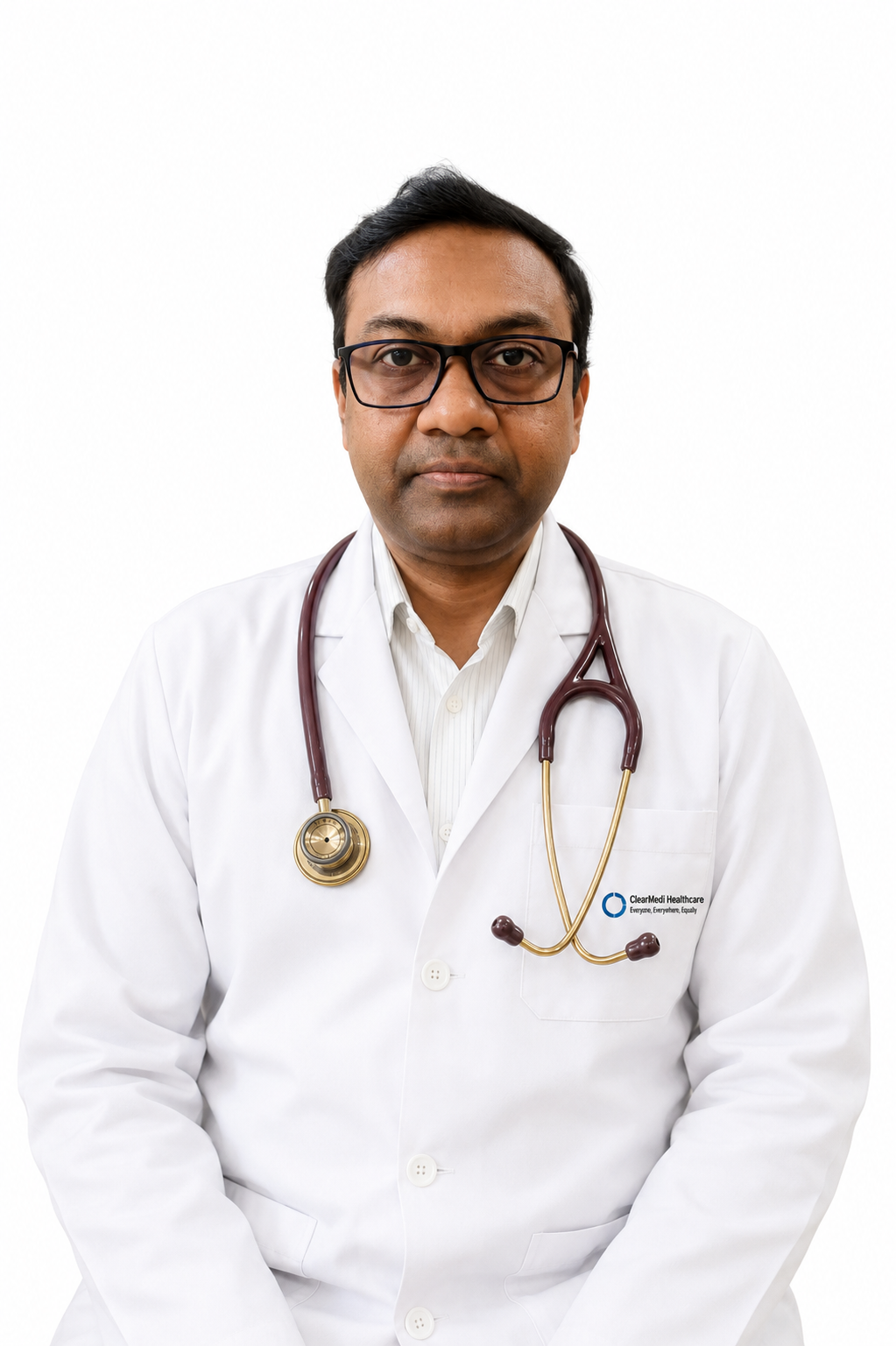
Senior Consultant – Cardiology
Experience: 18+ Years
ClearMedi Bahra Multispeciality Hospital, Kurali, NH21, Kharar, Mohali
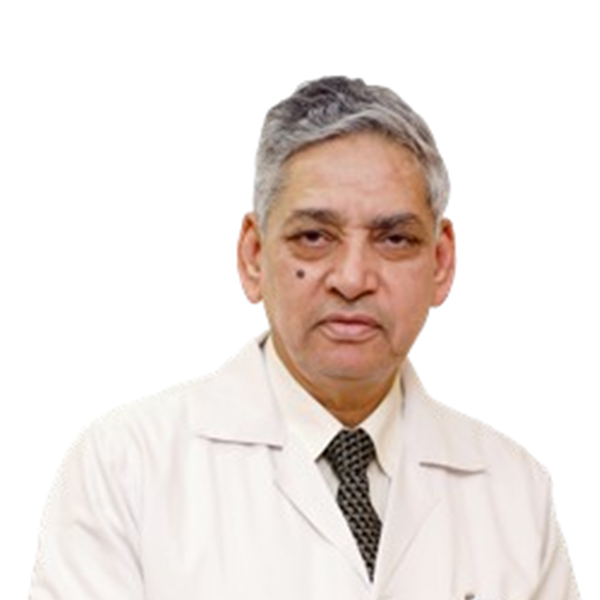
Director - Cardiology
Experience: 50+ Years
ClearMedi Bahra Multispeciality Hospital, Kurali, NH21, Kharar, Mohali
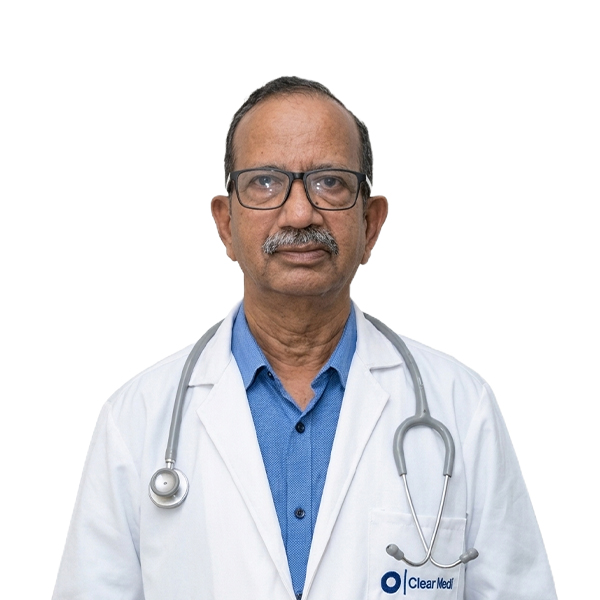
Senior Consultant - Pathology
Experience: 35+ Years
ClearMedi Paridhi Multispeciality Hospital, Kailash Vihar, Tulsi Vihar Colony, Gwalior
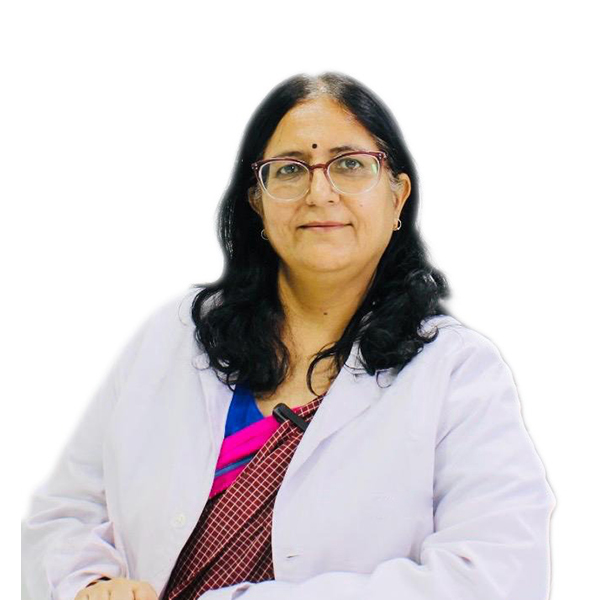
Sr. Consultant- Ophthalmology
Experience: 35+ Years
PrimaCare Clearmedi Multispeciality Hospital,Sector 104, Noida

Consultant - Orthopedics & Joint Replacement
Experience: 29+ Years
ClearMedi Paridhi Multispeciality Hospital, Kailash Vihar, Tulsi Vihar Colony, Gwalior
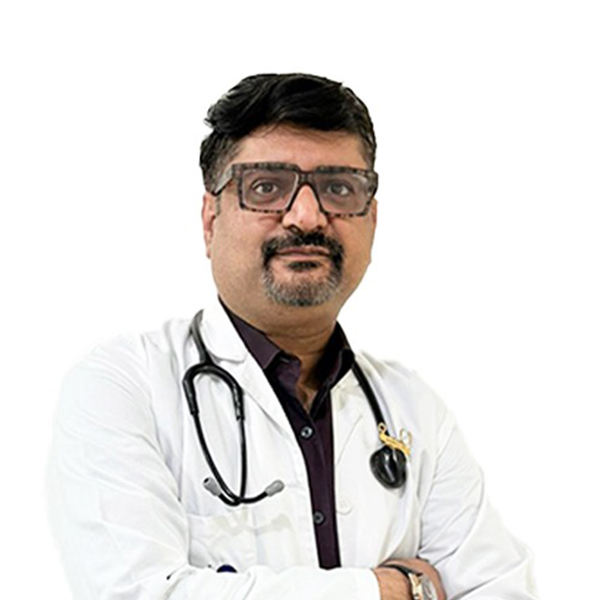
Senior Consultant – Cardiology
Experience: 27+ Years
PrimaCare Clearmedi Multispeciality Hospital,Sector 104, Noida
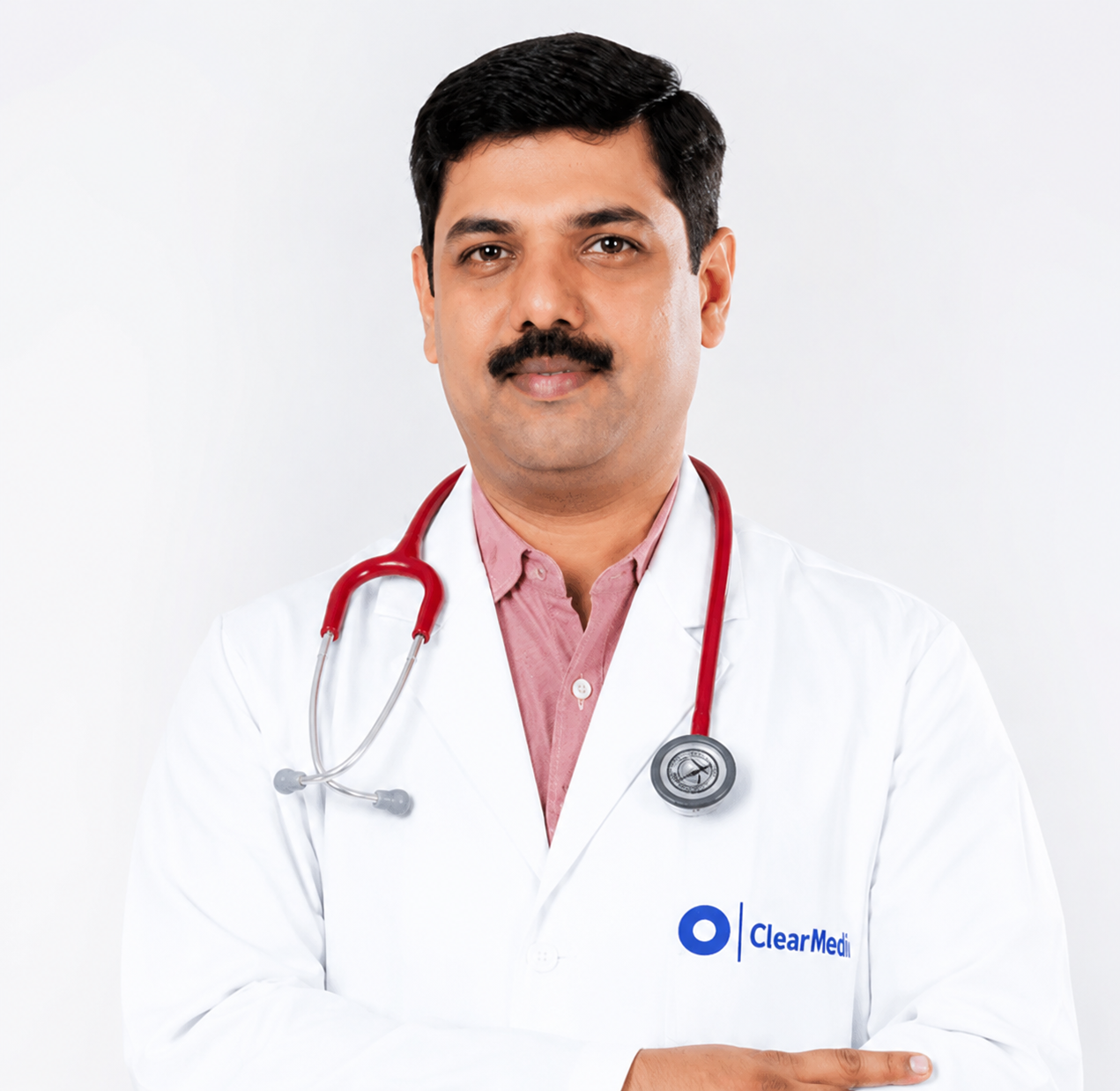
Consultant - Internal Medicine
Experience: 25+ Years
ClearMedi Radiant Hospital, Vijay Nagar 3rd Stage, Garudachar Layout, Mysuru
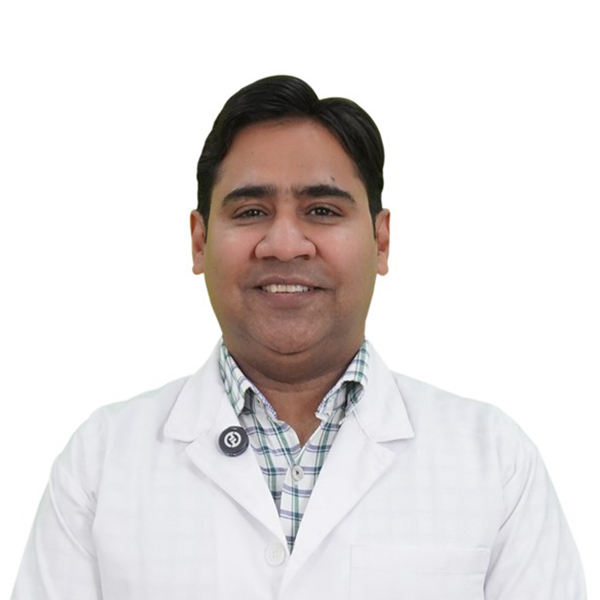
Head of Department - Anaesthesia
Experience: 25+ Years
ClearMedi Bahra Multispeciality Hospital, Kurali, NH21, Kharar, Mohali
The back contains a complex network of bones, discs, joints, muscles, ligaments and nerves. Discomfort can develop when one or more of these structures become strained, irritated, or affected by an underlying condition.
Common causes can include muscle strain, poor posture, prolonged sitting, disc-related problems, age-related changes, injuries and certain spinal conditions. In some patients, discomfort may also be associated with nerve irritation.
This variety is one reason we avoid assuming that every episode of back pain needs the same treatment. Understanding the source is important before deciding what should happen next.
The location and behaviour of your symptoms can provide useful clinical information.
Some people experience a dull ache around the lower back, while others describe sharp or shooting discomfort. Pain may remain localised or travel into the buttock or leg. Stiffness may be more noticeable after waking up or after sitting for an extended period.
You may also notice:
Not every symptom indicates a serious spinal condition, but persistent or unusual symptoms should not be dismissed without assessment.
Occasional muscular discomfort may improve with appropriate rest and simple measures. However, continuing to rely on self-treatment when symptoms are repeatedly returning may delay identification of the actual problem.
We recommend seeking professional evaluation when back discomfort:
Sudden severe symptoms or significant neurological changes require prompt medical attention.
When you visit us, we first want to understand your experience rather than immediately move towards a test or treatment.
We ask about when the symptoms began, what may have triggered them, how they have changed, and which activities make them better or worse. Previous injuries, work patterns, physical activity and relevant medical history can also help provide context.
Our physical assessment may include checking posture, spinal movement, muscle strength, reflexes, sensation and other signs depending on the symptoms.
Diagnostic imaging is not necessary for every patient. Where clinically indicated, investigations such as X-rays or MRI may provide additional information about the spine, discs, joints or surrounding structures.
The purpose of diagnosis is to connect the clinical findings with the symptoms rather than simply identifying an abnormality on a scan.
Once we have a clearer understanding of the problem, we discuss the most appropriate management options.
For many patients, treatment can begin conservatively. Depending on the cause, this may involve medication where medically appropriate, physiotherapy, movement-based rehabilitation, activity modification, and guidance on improving everyday habits.
For example, someone whose symptoms are strongly influenced by prolonged sitting may require a different approach from a patient recovering from an acute injury.
Our objective is to address the underlying contributors while helping you regain normal function.
When back pain has continued for some time, people often become cautious about movement. They may avoid bending, walking, or exercising because they are worried that activity will make the condition worse.
In appropriate cases, guided rehabilitation can help reverse this cycle.
A physiotherapy programme may focus on:
Mobility: Improving comfortable spinal and surrounding joint movement.
Strength: Building the muscles that support everyday movement.
Core control: Improving stability and movement coordination.
Functional training: Helping you gradually return to work, exercise and daily activities.
We encourage gradual progression rather than sudden increases in physical demand. Rehabilitation should match the condition and the person's current capabilities.
Some back problems are straightforward, while others require a more detailed assessment of the spinal structures or nerves.
When symptoms persist, repeatedly recur, or involve neurological features such as weakness, numbness, or radiating pain, a spine doctor may need to evaluate whether a more specific spinal condition is involved.
A specialist assessment can help determine whether continued conservative care is appropriate or whether further investigation or advanced treatment should be considered.
The presence of back pain alone does not automatically mean that a spinal procedure is required.
Most patients do not need an operation simply because they have back pain. Surgical or other advanced interventions are considered selectively, depending on the diagnosis, severity of symptoms, neurological involvement, and response to appropriate non-surgical treatment.
Where an advanced option is being considered, we explain its purpose and discuss expected outcomes, possible risks, and recovery requirements.
Our approach is to use the least invasive appropriate option whenever clinically reasonable, while ensuring that significant problems are not overlooked.
Treatment does not happen only inside the clinic. What you do throughout the day can also affect how your back feels.
Long periods of uninterrupted sitting, poor lifting technique, sudden increases in exercise, inadequate movement and repetitive physical strain can all contribute to recurring symptoms in some individuals.
We therefore discuss practical changes alongside medical treatment. This may include taking regular movement breaks, improving workstation habits, using safer lifting techniques, and gradually building physical activity.
These measures are not substitutes for medical care when an underlying condition exists, but they can support long-term back health.
Our goal extends beyond making the pain disappear temporarily. Effective Back Pain Treatment in Noida should also consider mobility, strength, confidence, and the patient's ability to return to normal activities.
We look at whether you can sit, stand, walk, bend, work, or exercise more comfortably as treatment progresses.
For some patients, improvement may happen through conservative care and rehabilitation. Others may require further investigation or specialist intervention. The appropriate pathway depends on the individual rather than a fixed treatment formula.
At ClearMedi Healthcare, we focus on combining clinical evaluation with practical treatment planning.
When a patient consults a back pain doctor, we want them to leave with a clearer understanding of what may be causing their symptoms and what the next step should be.
Our approach includes:
We recognise that every patient has different work responsibilities, activity levels and recovery goals. Our treatment planning reflects those differences.
It is reasonable to monitor mild, short-term back discomfort when there are no concerning symptoms. However, waiting indefinitely is not a good strategy when the problem is affecting your quality of life.
Consider consulting a back pain doctor when symptoms are persistent, increasingly frequent, interfering with sleep, or preventing you from performing normal activities.
Professional assessment becomes particularly important when pain is accompanied by weakness, numbness, significant trauma, or symptoms extending into a limb.
Living with recurring back discomfort can gradually change the way you work, move, and approach everyday activities. Instead of continually adjusting your routine around the pain, understanding its cause can help you make a more informed decision about treatment.
At ClearMedi Healthcare, Sector 104, Noida, we provide structured evaluation and personalised care for patients dealing with back and spine-related problems. To discuss your symptoms and arrange an appointment with our team, call +91 9599565977 and take the next step towards better back health.

FAQ






I recently found myself under your care for a cancer issue. While there, accompanied by my wife, we found that the entire staff at ClearMedi Hospital was exceedingly professional and efficient, from your E.R. receptionists to the cardiac care team. Very proud of your outstanding staff and service.
Sonia Chauhan
I was recently cared for at ClearMedi Hospital following a heart attack. I just wanted to say a few words about the exceptional care I received in the ClearMedi Hospital Cardiac Care Unit and the ICU. All of the doctors and nurses were friendly, pleasant, kind, thorough, conscientious and professional. I am happy to have been in their care.
Purab Singh
I am writing on behalf of my brother who was a patient in your hospital. I would like to thank you on behalf of my entire family for the help and consideration shown to me in what was a very difficult time. Again, I would like to thank you for the services you provide to patients and their families.
Deepal Sinha© Copyright 2026, ClearMedi. All rights reserved.





 Call: 9599565977
