Arthritis can affect much more than the joints. Pain, stiffness, swelling, and reduced mobility can gradually make routine activities harder and may interfere with work, exercise, sleep, and independence. While some people experience symptoms occasionally, others may deal with persistent discomfort that changes the way they move and carry out everyday tasks. At ClearMedi Healthcare, we understand that arthritis can affect each patient differently. The type of arthritis, joints involved, duration of symptoms, age, activity level, and overall health can all influence the care required. We begin by understanding your symptoms and medical history before recommending an appropriate course of treatment. Our approach is focused on identifying the condition responsible for your joint symptoms and helping you manage it effectively. For patients seeking the Arthritis Doctor in Noida, we provide individualised evaluation and treatment based on the patient's specific needs.

Senior Consultant – Cardiology
Experience: 18+ Years
ClearMedi Bahra Multispeciality Hospital, Kurali, NH21, Kharar, Mohali
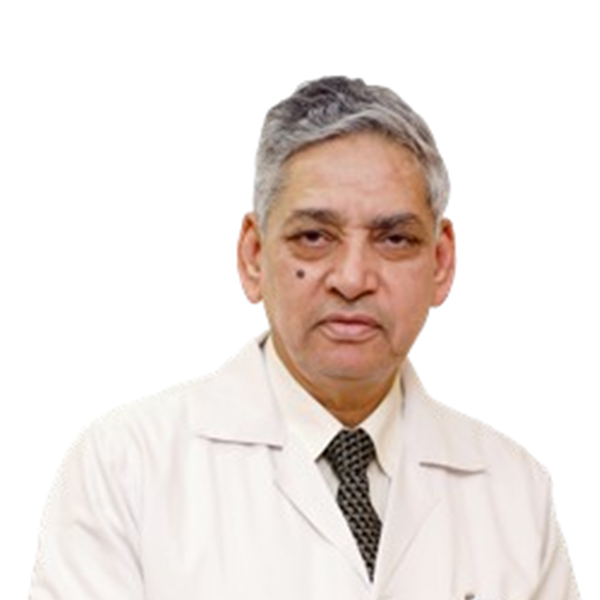
Director - Cardiology
Experience: 50+ Years
ClearMedi Bahra Multispeciality Hospital, Kurali, NH21, Kharar, Mohali

Senior Consultant - Pathology
Experience: 35+ Years
ClearMedi Paridhi Multispeciality Hospital, Kailash Vihar, Tulsi Vihar Colony, Gwalior

Sr. Consultant- Ophthalmology
Experience: 35+ Years
PrimaCare Clearmedi Multispeciality Hospital,Sector 104, Noida

Consultant - Orthopedics & Joint Replacement
Experience: 29+ Years
ClearMedi Paridhi Multispeciality Hospital, Kailash Vihar, Tulsi Vihar Colony, Gwalior

Senior Consultant – Cardiology
Experience: 27+ Years
PrimaCare Clearmedi Multispeciality Hospital,Sector 104, Noida

Consultant - Internal Medicine
Experience: 25+ Years
ClearMedi Radiant Hospital, Vijay Nagar 3rd Stage, Garudachar Layout, Mysuru

Head of Department - Anaesthesia
Experience: 25+ Years
ClearMedi Bahra Multispeciality Hospital, Kurali, NH21, Kharar, Mohali
Arthritis is a broad term used for conditions that affect the joints. It can involve inflammation, changes to cartilage and bone, or other processes that cause pain and restrict movement. Arthritis is not limited to older adults; different forms can affect people at different stages of life.
The symptoms and progression depend on the type of arthritis. Some conditions develop gradually, whereas others may cause episodes of significant pain and inflammation.
Commonly affected areas include:
Having pain in a joint does not automatically mean that a person has arthritis. An assessment helps distinguish arthritis from injuries, tendon problems, overuse, and other musculoskeletal conditions.
There are several forms of arthritis, and their causes are not always the same. Understanding the type involved is important because treatment should be directed towards the underlying condition.
Osteoarthritis, for example, is associated with changes in the tissues within a joint and may become more common with age. Previous injuries, repetitive stress, and other factors can also contribute to joint degeneration.
Inflammatory forms of arthritis can behave differently. They may involve the body's immune system and cause symptoms such as joint swelling, prolonged stiffness, and inflammation.
Certain factors can increase the likelihood of developing joint problems, including:
Because these factors can overlap, we do not rely on symptoms alone to determine the cause.
Early symptoms can sometimes appear mild. A person may notice stiffness after waking up, discomfort after physical activity, or difficulty performing a movement that was previously easy.
We encourage medical evaluation when joint symptoms become persistent, recurrent, or progressively interfere with daily life.
Look out for:
Sudden severe joint pain, substantial swelling, fever, or symptoms following a significant injury may require prompt medical attention.
At ClearMedi Healthcare, our assessment begins with a conversation about what you are experiencing. We ask about the location of the pain, when it started, how long stiffness lasts, whether several joints are involved, and whether symptoms change with activity or rest.
We also review relevant medical and family history and perform a physical examination. This allows us to assess joint movement, swelling, tenderness, strength, and other clinical signs.
Additional investigations may be recommended when they can help clarify the diagnosis. Depending on the circumstances, these may include:
The exact investigations depend on the individual patient. We aim to use the information that is relevant to the suspected condition rather than recommending unnecessary tests.
There is no single treatment that works for every form of arthritis. Our recommendations depend on the type of condition, severity of symptoms, joints involved, functional limitations, and overall health.
Treatment may include a combination of medical management, rehabilitation, lifestyle changes, and, where appropriate, procedures or surgery.
Depending on the diagnosis, medicines may be prescribed to help control pain or inflammation. The choice of medication depends on individual factors, and patients should use medicines according to medical advice.
Regular, appropriate movement can be an important part of managing many joint conditions. Physiotherapy and guided exercises may help improve flexibility, muscle strength, balance, and functional movement.
The right exercises depend on the affected joint and underlying condition. We therefore encourage patients to follow a programme suited to their clinical needs rather than pushing through painful movements.
For weight-bearing joints, maintaining a healthy body weight may help reduce mechanical stress. Physical activity that is appropriate for the individual's condition can also support overall mobility and strength.
We may discuss practical changes involving activity, exercise, rest, and other lifestyle factors as part of long-term joint care.
Some patients may have advanced joint damage or symptoms that remain troublesome despite non-surgical treatment. In such situations, further procedures or surgery may be considered.
We assess whether an intervention is appropriate by considering the diagnosis, severity of structural changes, symptoms, mobility, and response to previous treatment. Any recommended procedure should be based on the patient's individual circumstances.
Long-term joint care involves more than addressing discomfort when it occurs. Our aim is to help patients understand their condition and participate actively in managing it.
This may include:
A consistent approach can make it easier to identify changes in the condition and adjust care when necessary.
At ClearMedi Healthcare, we focus on the person as well as the joint. The same diagnosis can affect two patients very differently, so their treatment goals may also be different.
We take into account:
Your symptoms: We want to understand how the pain and stiffness affect your everyday life.
Your medical history: Previous injuries, existing health conditions, medications, and other relevant factors can influence treatment decisions.
Your mobility: We consider how the condition affects walking, movement, work, exercise, and other activities.
Your diagnosis: Treatment is selected according to the specific type and severity of the joint problem.
Your long-term needs: Where appropriate, we discuss measures that can support ongoing joint health and help manage recurring symptoms.
For someone searching for the Arthritis Doctor in Noida, this individualised approach can provide a clearer understanding of the condition and the options available for managing it.
You do not necessarily need to wait until joint pain becomes severe before seeking medical advice. Persistent stiffness, recurrent swelling, or gradual loss of movement can also warrant an assessment.
Consider speaking with an arthritis doctor when:
An appropriate assessment can help determine whether the symptoms are related to arthritis or another condition requiring different treatment.
Persistent joint symptoms can gradually change the way you move and affect activities you once performed comfortably. Understanding what is causing the problem is an important part of deciding how it should be managed.
At ClearMedi Healthcare, Sector 104, Noida, we provide individualised evaluation and care for patients experiencing arthritis and other joint-related concerns. To discuss your symptoms and arrange an appointment, call +91 9599565977 or visit our official website. We can help you understand your condition and explore an appropriate path towards better joint function and everyday comfort.

FAQ






I recently found myself under your care for a cancer issue. While there, accompanied by my wife, we found that the entire staff at ClearMedi Hospital was exceedingly professional and efficient, from your E.R. receptionists to the cardiac care team. Very proud of your outstanding staff and service.
Sonia Chauhan
I was recently cared for at ClearMedi Hospital following a heart attack. I just wanted to say a few words about the exceptional care I received in the ClearMedi Hospital Cardiac Care Unit and the ICU. All of the doctors and nurses were friendly, pleasant, kind, thorough, conscientious and professional. I am happy to have been in their care.
Purab Singh
I am writing on behalf of my brother who was a patient in your hospital. I would like to thank you on behalf of my entire family for the help and consideration shown to me in what was a very difficult time. Again, I would like to thank you for the services you provide to patients and their families.
Deepal Sinha© Copyright 2026, ClearMedi. All rights reserved.





 Call: 9599565977
