
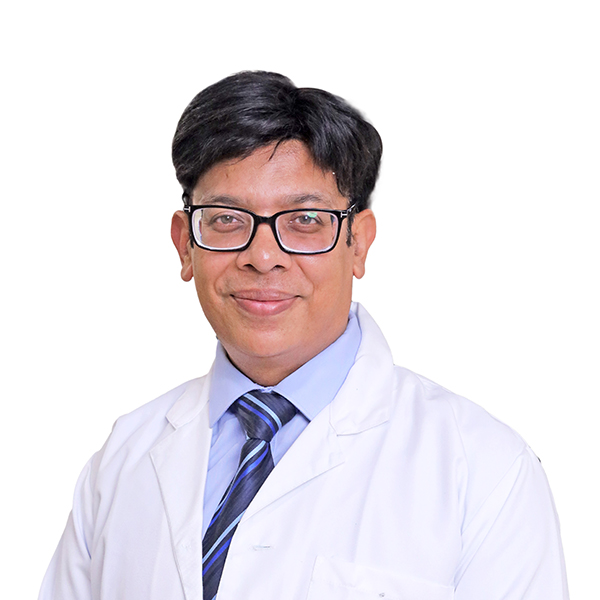
Senior Consultant - Orthopedics & Joint Replacement
Experience: 21+ Years
PrimaCare Clearmedi Multispeciality Hospital,Sector 104, Noida

Senior Consultant - Orthopedics & Joint Replacement
Experience: 18 Years
PrimaCare Clearmedi Multispeciality Hospital,Sector 104, Noida
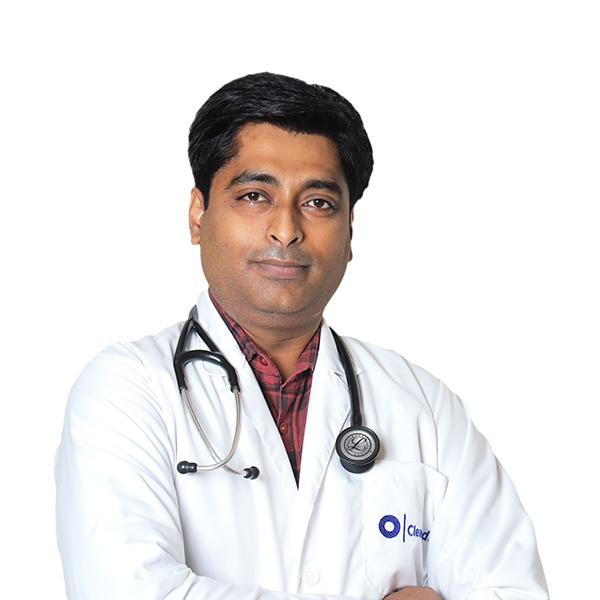
Consultant - Orthopedics & Joint Replacement
Experience: 14+ Years
PrimaCare Clearmedi Multispeciality Hospital,Sector 104, Noida
Beyond physical comfort, back or neck pain can impact much more. It can make it hard to get through a day at work, disturb your sleep, or make basic things like walking, bending over and driving difficult. When these problems persist or start to interfere with movement, it is crucial to understand what is causing them instead of just relying on transient pain relief.
For some spinal diseases, spine surgery in Noida can be contemplated if non-surgical treatments have failed to give sufficient relief or if there is substantial strain on the nerves/spinal cord. But surgery is not the first step in every case. What is the best course of action depends on the ailment and its severity and the patient's symptoms and overall health.
At ClearMedi Healthcare, Noida, spinal care comprises clinical examination, diagnostic investigations, treatment planning, and support through rehabilitation. The goal is to determine the source of the problem and to speak with the patient about the proper treatment.
The spine consists of bones termed vertebrae, disks, joints, ligaments, and nerves. They all combine to support the body, allow it to move, and preserve the spinal cord. Injury or alteration in any of these structures can cause pain, stiffness, weakness, or difficulty with movement.
Spinal surgery uses methods to treat certain issues affecting the spine. Depending on the diagnosis, surgery might relieve pressure on a nerve, take out damaged disc material, stabilize a portion of the spine or resolve a structural problem. The exact method is determined only after the specialist who treats the patient evaluates his condition.
Not all spinal conditions require surgery. Others get better with medications, changes in activity, physical therapy, or other non-surgical treatment. If symptoms persist or are troublesome, surgery may be explored, or if studies reveal an issue needing surgical treatment.
Conditions treated by the spine experts at ClearMedi, Noida, include:
Having one of these illnesses does not necessarily indicate you will need surgery. It is contingent upon the outcome and the influence the condition is having on day-to-day living.
Symptoms vary depending on which section of the spine is damaged and whether it is affecting neighboring nerves. Some people feel the discomfort mostly in one spot, while others may feel the symptoms radiate out to their arms or legs.
It is important to organize a medical assessment if you get:
If the symptoms are due to a structural problem that can be corrected with surgery, the specialist may propose surgery, especially if conservative management has not helped enough. New loss of bladder or bowel control, especially with back pain or leg weakness: seek immediate medical help.
The first treatment planning step is to find out the patient’s symptoms and medical history. During the consultation, the doctor may ask when the pain started, where it is felt, whether it radiates to another part of the body, and what activities make it better or worse.
A physical and neurological examination may test movement, muscle strength, sensation, reflexes, and balance. The results assist the professional in deciding if further tests are necessary.
ClearMedi's Noida spine care information describes the diagnostic modalities as:
Not every test is needed in every patient. The tests are based on the symptoms and the illness that is suspected. The results, together with the clinical evaluation, are taken into account when deciding on treatment.
The procedure that is chosen depends on what has to be treated. A professional will talk through what the procedure being advised is for, what the possible advantages and limitations of it are, and whether another treatment may be acceptable.
Some procedures for spinal problems include:
The steps will depend on the procedure. The patient has a pre-operative assessment before a procedure. The surgical team will assess the diagnosis, imaging results, medical history, and general fitness for surgery. The patient will be given advice on drugs, drinking, and eating before to the treatment.
Most spinal surgeries are carried out under anesthetic. The surgeon makes a deliberate approach to the affected portion of the spine for that problem. Depending on the operation, this may involve removing the segment of a disk that is pushing on a nerve, making greater space around the nerves, stabilizing vertebrae, or replacing a damaged disk.
During the procedure, the surgical team examines the state of the patient and follows the prescribed safety precautions. Post-operatively, the patient is monitored and counseled on pain control and early mobilization.
The Noida spine surgery pathway at ClearMedi comprises consultation, diagnostic assessment, treatment planning, pre-operative evaluation, surgery if required, post-operative monitoring and rehabilitation support.
Each patient heals in his own way. It is contingent upon the type of surgery, the state of the spine, overall health, and how the body reacts to treatment. For example, someone who has a lesser operation may have a different recovery plan than someone who has had spinal fusion or surgery for a complex injury.
The care team will explain, following surgery, how to manage pain, move safely, and care for the operative area. The patient may be advised to avoid certain movements or activities for a while. Rather than returning to usual habits too quickly, follow these suggestions.
Physiotherapy and rehabilitation are part of the recovery regimen. As the patient progresses, and on the recommendation of the surgeon, exercises are introduced. The team will arrange follow-up sessions to review healing, discuss any issues and guide the next level of activity.
At ClearMedi, we provide post-operative monitoring, pain management, physiotherapy and rehabilitation support for spine care in Noida.
As with any major surgery, there are dangers associated with spinal surgery. These include infection, bleeding, blood clots, responses to anesthesia, continuing pain or wound healing issues. Depending on the technique, there may also be danger of nerve injury, changes in sensation, weakness or difficulties affecting the operated spinal region.
Some patients may still have symptoms following the procedure. In other circumstances, they may require further therapy. Your chances of having complications depend on your health and the type of treatment to be done and how complicated it is.
Speak to the medical specialist about the possible dangers, expected benefits, alternatives and recovery requirements before deciding on surgery. Knowing these things can help you make a more informed decision.
Deciding where to go for spinal treatment is a big decision. “Patients want to understand their diagnosis, be able to debate their treatment options and receive advice outside the consultation room.
ClearMedi Healthcare’s spine care services in Noida include assessment and management of slipped disks, spinal stenosis, degenerative disk disease, spinal traumas, scoliosis, sciatica and nerve compression.
The hospital has published diagnostic options, including MRI, CT scans, digital X-rays, and nerve conduction investigations. Treatment planning may involve non-surgical therapy and procedures such as discectomy, laminectomy, spinal fusion, disc replacement, and decompression, depending on the patient’s needs.
Care is also outside of operation. The patient pathway includes preoperative examination, post-operative observation, pain treatment, physiotherapy, rehabilitation, and follow-up advice.
Importantly, surgery is not automatically suggested for everyone with back or neck pain. According to ClearMedi, the information on spine specialists says, "Non-surgical management should be the first step, and surgery should be considered if conservative or interventional treatments have not improved your condition to a satisfactory level.”
Patients can discuss symptoms and reports with the team to find out which options can be suitable for them.
Depending on the condition, patients might additionally investigate ClearMedi’s connected services:
Living with chronic back or neck pain can be difficult, but surgery is just one facet of spinal care. The first step is to understand the etiology of the symptoms and what treatments may be appropriate. If surgery is necessary, understanding what it entails and what recovery may look like might make it easier to cope.
Patients interested in spine surgery in Noida can approach ClearMedi Healthcare to discuss their symptoms, diagnostic findings, and treatment alternatives. A doctor can advise whether non-surgical treatment or surgery is the best option for the condition.
FAQ



I recently found myself under your care for a cancer issue. While there, accompanied by my wife, we found that the entire staff at ClearMedi Hospital was exceedingly professional and efficient, from your E.R. receptionists to the cardiac care team. Very proud of your outstanding staff and service.
Sonia Chauhan
I was recently cared for at ClearMedi Hospital following a heart attack. I just wanted to say a few words about the exceptional care I received in the ClearMedi Hospital Cardiac Care Unit and the ICU. All of the doctors and nurses were friendly, pleasant, kind, thorough, conscientious and professional. I am happy to have been in their care.
Purab Singh
I am writing on behalf of my brother who was a patient in your hospital. I would like to thank you on behalf of my entire family for the help and consideration shown to me in what was a very difficult time. Again, I would like to thank you for the services you provide to patients and their families.
Deepal Sinha© Copyright 2026, ClearMedi. All rights reserved.





 Call: 9599565977
