
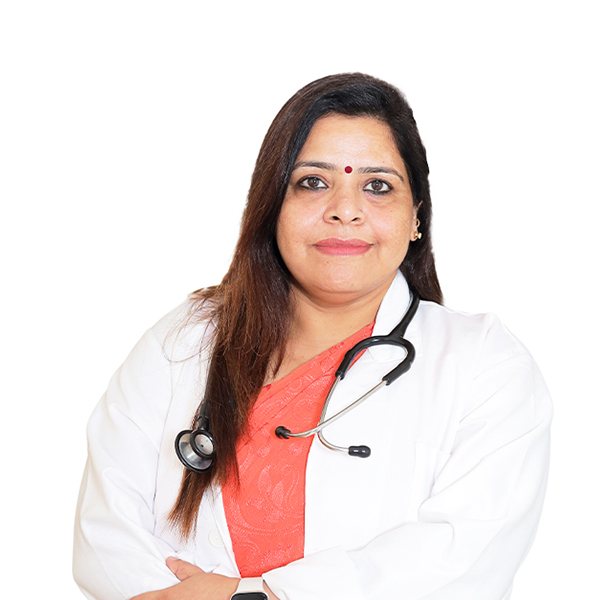
Senior Consultant – Obstetrics & Gynaecology
Experience: 24+ Years
PrimaCare Clearmedi Multispeciality Hospital,Sector 104, Noida
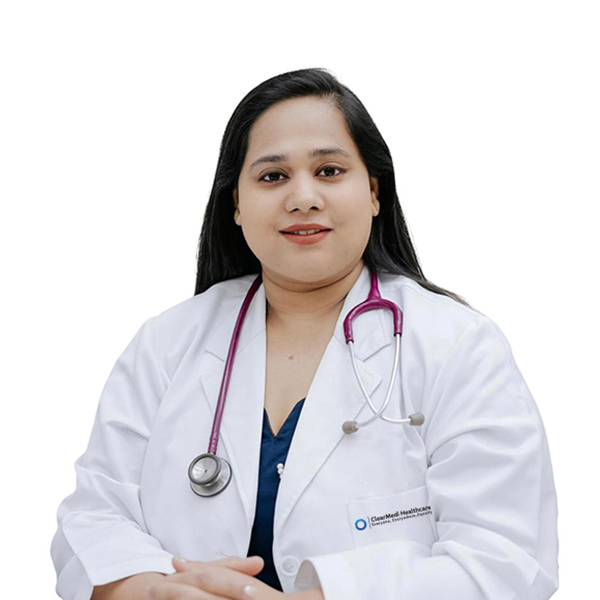
Consultant- Obstetrics & Gynaecology
Experience: 18+ Years
PrimaCare Clearmedi Multispeciality Hospital,Sector 104, Noida

Consultant- Obstetrics and Gynaecology
Experience: 9+ Years
PrimaCare Clearmedi Multispeciality Hospital,Sector 104, Noida
Caesarean section, which is also known as C-section, is a surgical procedure involving the extraction of the baby through incisions made in the mother’s abdomen and uterus. If you are looking for C-section delivery in Noida, it is very important to choose a suitable maternity hospital that will ensure the good health and well-being of both the mother and the baby. The availability of experienced obstetricians, skilled anaesthetists, and advanced surgical facilities can greatly affect the childbirth process. A cesarean birth can be planned or recommended during labour when vaginal birth poses certain dangers to either the mother or the baby. The delivery process at ClearMedi Hospital in Noida is based on an individual approach, intensive monitoring of the pregnancy, and safe surgery. From preliminary examinations and planning of the surgical procedure to postoperative recovery and baby care, the staff at the hospital assists mothers in the treatment process. Our mission is to make the delivery process comfortable for the mother, taking into account her health and the well-being of the baby.
A cesarean section, popularly known as a C-section, is a form of surgery for delivering a baby in which the baby is delivered through an incision made in the abdomen and uterus of the woman. In other words, a C-section operation is performed in cases where there are dangers associated with vaginal delivery or when the situation demands that surgery is the better option for either the mother or the baby. It can either be planned during pregnancy or done as an emergency during delivery. Commonly known as Cesarean birth, this surgery is usually performed using regional anaesthesia, where the woman stays awake during delivery but doesn’t feel any pain.
Some types of C-section deliveries include:
Some symptoms when a C-section is required include:
Before performing a cesarean delivery, physicians thoroughly assess the maternal health, fetal position, fetal heart rate, and placenta position. For a planned C-section, ultrasounds, blood tests, blood pressure monitoring, and anaesthesia tests are essential in detecting any problems and preparing both the mother and the baby for the surgery.
Carried out in an operating theatre using regional anaesthesia, either spinal or epidural, a cesarean delivery makes it possible for the mother to stay awake but without feeling any pain. Injection of the anaesthesia is followed by thorough cleaning of the abdomen and placement of a sterile drape over the surgical area. Cutting of a horizontal incision on the lower abdomen and opening the uterus to allow the removal of the baby are the first steps of the operation. Once the baby is delivered, the umbilical cord is cut, and the placenta is removed. The baby is then evaluated by the neonatal team while the mother is attended to after the surgery. The closing of the incisions on the uterus and abdomen is the final step of the surgery. This process takes roughly 45 to 60 minutes depending on individual circumstances.
Recovery after delivery through caesarean delivery calls for a treatment approach that entails adequate rest, proper wound care, and constant monitoring. While the stay in the hospital usually lasts between two to four days, the period is determined by the recovery of the mother. Walking around is highly recommended to improve circulation and prevent thromboembolism. Sterility and dryness of the wound are key in preventing infections. Mothers should refrain from lifting heavy objects, exercising, and other forms of physical exertion for about six weeks or until advised otherwise by their health practitioners. The use of pain medication, nutritious food, adequate water intake, and breastfeeding will help in recovery. Additionally, the scheduled follow-ups allow the doctors to check on the wound healing process. If the mother experiences such conditions as fever, abdominal pain, excessive bleeding, discharge from the wound, or difficulty breathing, prompt medical attention is highly required.
Although cesarean birth is generally accepted as a safe procedure in obstetrics, it still poses certain risks to the mother. These include the risk of infection at the site of surgery, bleeding, thrombosis, reaction to anaesthetics, and difficulty in wound healing. In the process of recovery after surgery, mothers can experience pain in the abdomen, swelling, and temporary inability to move around. Although very rare, injury to surrounding organs, including the bladder, can also happen during surgery. Moreover, previous cesarean sections increase the risk of placental problems and uterine rupture in future pregnancies. Neonates born through cesarean delivery, especially early scheduled ones, can suffer from temporary breathing problems.
You should choose ClearMedi, Noida for a C-section delivery for the following reasons:
Some related treatments and surgeries include:
To book an appointment for a C-section delivery in Noida at ClearMedi Hospital, please visit our official website or contact us at +91 9599565977.
Call now!
FAQ





I recently found myself under your care for a cancer issue. While there, accompanied by my wife, we found that the entire staff at ClearMedi Hospital was exceedingly professional and efficient, from your E.R. receptionists to the cardiac care team. Very proud of your outstanding staff and service.
Sonia Chauhan
I was recently cared for at ClearMedi Hospital following a heart attack. I just wanted to say a few words about the exceptional care I received in the ClearMedi Hospital Cardiac Care Unit and the ICU. All of the doctors and nurses were friendly, pleasant, kind, thorough, conscientious and professional. I am happy to have been in their care.
Purab Singh
I am writing on behalf of my brother who was a patient in your hospital. I would like to thank you on behalf of my entire family for the help and consideration shown to me in what was a very difficult time. Again, I would like to thank you for the services you provide to patients and their families.
Deepal Sinha© Copyright 2026, ClearMedi. All rights reserved.





 Call: 9599565977
