
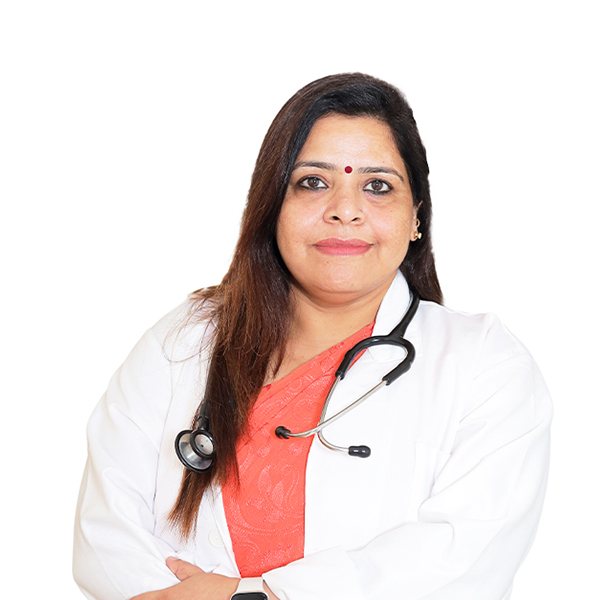
Senior Consultant – Obstetrics & Gynaecology
Experience: 24+ Years
PrimaCare Clearmedi Multispeciality Hospital,Sector 104, Noida
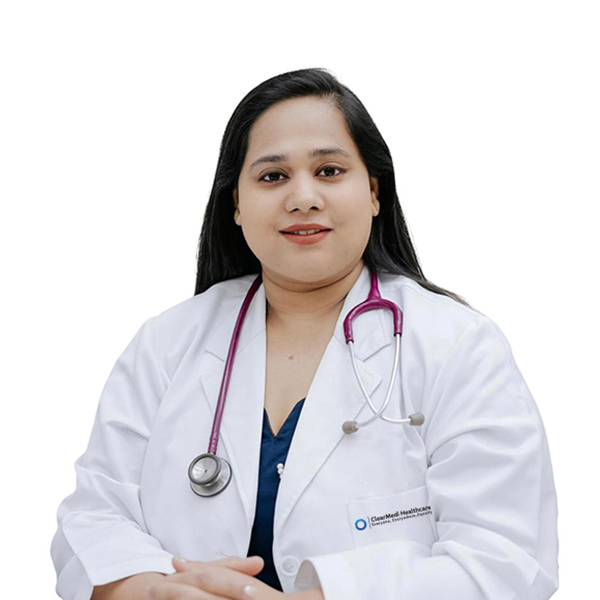
Consultant- Obstetrics & Gynaecology
Experience: 18+ Years
PrimaCare Clearmedi Multispeciality Hospital,Sector 104, Noida

Consultant- Obstetrics and Gynaecology
Experience: 9+ Years
PrimaCare Clearmedi Multispeciality Hospital,Sector 104, Noida
Fluid-filled pockets developing inside or on the ovarian surface, ovarian cysts may lead to pelvic pain, abdominal swelling, and menstrual irregularities. Ovarian cyst removal surgery in Noida provides women with the opportunity to avail themselves of the benefits of expert gynaecological treatment and the latest treatment methods. While many cysts disappear on their own, there are certain situations when clinical and surgical intervention becomes necessary to prevent complications and preserve reproductive health. At ClearMedi Hospital, the treatment methods are carefully designed in accordance with the size, type, symptoms, and general health condition of the patient. Depending on the nature of the disease, gynaecologists might recommend either laparoscopic or an open surgery while preserving as much viable ovarian tissue as possible. With the help of experienced doctors, modern operating rooms, and individual rehabilitation programs, ClearMedi guarantees safe surgery and comfortable recovery for women with ovarian cysts.
Ovarian cystectomy, the surgical removal of fluid-containing sacs developing from or attached to the ovaries, forms an important part of ovarian cyst treatment for cysts that are large, resistant, symptomatic, or likely to have complications. The fundamental aim of this surgery is to remove the disease and ensure preservation of as much ovarian tissue as possible to protect the hormonal and reproductive capacity. Depending on the size, location, and nature of the cyst, the ovarian cyst operation could involve laparoscopy through small cuts or laparotomy through a larger opening in the abdomen. Before the actual surgery, a number of tests need to be performed.
Some types of ovarian cysts include:
Some symptoms that require ovarian cyst removal surgery in Noida at ClearMedi include:
Before the recommendation of the surgical treatment of an ovarian cyst, the gynaecologist performs a thorough assessment to determine the size of the lesion, its location, histological type, and possible complications. The diagnostic process begins with a detailed analysis of the medical history of the patient, her menstrual periods, symptoms, and reproductive health status. Pelvic examination can be used to identify tenderness or palpable abnormalities. Additionally, ultrasound examination, mainly transvaginal sonography, is used to examine the structure of the cyst and to distinguish between cysts that contain liquid and those that have solid elements. In certain cases, serological tests, such as the CA-125 test, can be performed to assess the possibility of ovarian cancer, and a pregnancy test can be recommended to rule out pregnancy as a cause of the disease. In some cases, more sophisticated diagnostic procedures, such as MRI and CT scanning, can be performed for a more definite diagnosis. These examinations help the specialist to choose the most appropriate treatment method for the ovarian cyst and decide on the nature of intervention, either laparoscopy or open surgery.
Ovarian cyst excision surgery is done under general anaesthesia to keep the patient comfortable during the entire surgical process. The choice of the surgical technique – whether laparoscopic or open – depends on the size of the cyst, its location and pathologic features. In laparoscopic surgery, the surgeon makes multiple small cuts into the abdomen to insert a high-resolution camera and special surgical tools. Such an approach helps to carefully examine the ovary, separate the cyst from the healthy tissue around and remove it with the minimal damage to the functional tissue of the ovary. However, in case of big or complicated cysts, an open approach is used; in this case, a bigger cut is made to provide better access to the cyst and its successful removal. After the cyst is removed, it is sent for histopathological study to determine its exact type.
The course of postoperative recovery after the removal of ovarian cysts depends on the method used, the size of the cyst and the general health status of the woman. Women who undergo laparoscopy have a faster recovery than those who require open surgery. In the initial stage of recovery, some of the symptoms experienced by women include bloating, swelling and fatigue. It is very important to adhere to medical advice, which includes taking prescribed medication, ensuring that the wounds heal properly and avoiding lifting heavy objects until the surgeon gives the green light. Gentle exercise will help to improve blood flow and enhance recovery; however, adequate rest, hydration and healthy eating habits are equally important for tissue healing. Follow-up visits play a very important role in helping the doctor to monitor the healing process and analyse the results of biopsies. Although most women get back to their normal activities, complete recovery may take several weeks.
Some risks and possible complications include:
You should choose ClearMedi Hospital for ovarian cyst removal surgery for the following reasons:
Some related treatments and surgeries include:
To book an appointment for ovarian cyst removal surgery in Noida at ClearMedi, please visit our official website or contact us at +91 9599565977.
Call now!
FAQ






I recently found myself under your care for a cancer issue. While there, accompanied by my wife, we found that the entire staff at ClearMedi Hospital was exceedingly professional and efficient, from your E.R. receptionists to the cardiac care team. Very proud of your outstanding staff and service.
Sonia Chauhan
I was recently cared for at ClearMedi Hospital following a heart attack. I just wanted to say a few words about the exceptional care I received in the ClearMedi Hospital Cardiac Care Unit and the ICU. All of the doctors and nurses were friendly, pleasant, kind, thorough, conscientious and professional. I am happy to have been in their care.
Purab Singh
I am writing on behalf of my brother who was a patient in your hospital. I would like to thank you on behalf of my entire family for the help and consideration shown to me in what was a very difficult time. Again, I would like to thank you for the services you provide to patients and their families.
Deepal Sinha© Copyright 2026, ClearMedi. All rights reserved.





 Call: 9599565977
