
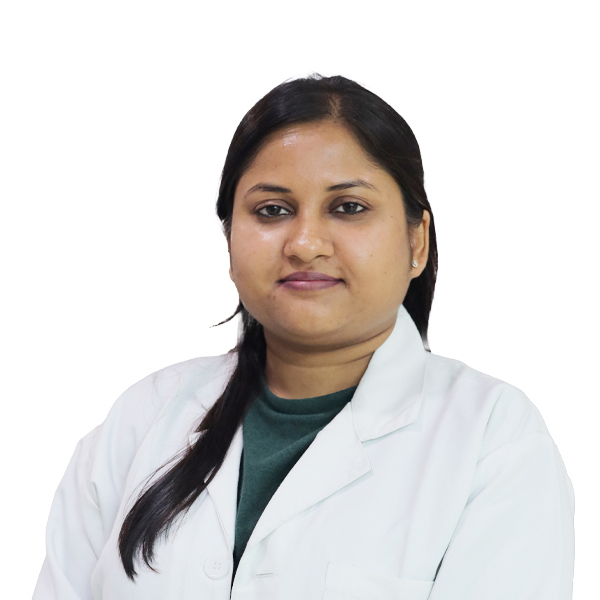
Consultant – ENT & Head and Neck Surgery
Experience: 10+ Years
PrimaCare Clearmedi Multispeciality Hospital,Sector 104, Noida
Your blocked nose that never seems to clear, pressure around your forehead or cheeks, and repeated sinus infections can gradually affect sleep, concentration, and everyday comfort. While occasional sinus symptoms often settle with appropriate treatment, your persistent problems may need a closer examination by our ENT specialist. This sinus surgery in Noida may be considered when your long-lasting sinus inflammation or structural blockage does not improve sufficiently with medication and other non-surgical treatments. Our purpose is to improve your sinus drainage, address your underlying obstruction, and help manage recurring symptoms. ClearMedi Healthcare has WNT services that include your examination and treatment of sinusitis, nasal blockage, and nasal polyps, along with endoscopic sinus surgery. The recommended approach depends on your symptoms, examination findings, and diagnosis.
The sinuses are the air passages that surround the nose, cheeks, forehead, and eyes. They communicate with the nasal cavity by minute drainage apertures. When these apertures get large or plugged, mucus cannot drain correctly. It can cause inflammation, pressure, and recurrent infections.
Sinus surgery is a general term for operations that correct abnormalities with the sinuses or the channels that drain them. Surgery may be recommended when persistent inflammation, nasal polyps, or structural abnormalities remain a source of symptoms despite proper medical treatment.
One of the most prevalent approaches employed is functional endoscopic sinus surgery. In this operation, the ENT doctor inserts a narrow endoscope with a camera to visualize the nasal passageways and sinus apertures. Specialized devices can be used to remove the tissue blocking the drainage and to promote drainage while conserving as much healthy tissue as possible.
The specific process will depend on what sinuses are involved and what is causing the blockage.
Other disorders may obstruct the natural sinus drainage. Once the problem is identified, the ENT professional can decide if medication, surgery, or a combination of therapies is appropriate.
Not all of these disorders need surgery. The professional first looks at the etiology, duration, and severity of symptoms.
Sinus difficulties can occur for a number of reasons. The inflammation often starts after a virus has infected the respiratory tract. Allergies, anatomic abnormalities, and other disorders can also play a role in ongoing discomfort.
Common elements include:
A risk factor does not mean that surgery will be required. The ENT expert will review the whole clinical picture and then propose treatment.
The symptoms of sinusitis depend on which sinuses are involved and how long the inflammation has lasted. Some people get a stuffy nose as their predominant symptom, while others feel pressure around the eyes, cheeks, or forehead.
The signs that should be taken seriously are:
“Persistent symptoms need to be investigated rather than being treated repeatedly without knowing the cause.
If you have nasal congestion, facial discomfort, or a diminished sense of smell that persists despite adequate therapy, consider consulting an ENT expert. Evaluation is also warranted for recurrent sinusitis, prolonged nasal congestion, or symptoms that interfere with sleep and everyday function.
Medical evaluation is particularly crucial when symptoms are severe, unusual, or worsening. If you have sinus symptoms and you get swelling or redness around your eyes, changes in your vision, a severe headache, confusion, or a stiff neck, seek medical assistance immediately.
Your ENT can look into your nasal passages and work out what might be causing the problem and if you need any additional examination or treatment for sinusitis. Surgery is normally only considered when the diagnosis and the response to previous therapies suggest it.
A correct diagnosis will help differentiate sinusitis from other disorders that can cause similar symptoms, such as allergies, migraines, or problems with the structure of the nose. The specialist would usually start by taking a history and performing a nasal examination.
The assessment can comprise:
ClearMedi’s ENT service information includes diagnostic evaluation and nasal examination in the ENT care services. The precise investigations necessary are determined by the patient's symptoms and clinical findings.
The treatment relies on the origin of the inflammation, the duration of symptoms, and the presence of any structural abnormalities. Many people get better with nonsurgical treatment. Surgery is indicated if symptoms are refractory to adequate treatment or if there is a blockage requiring procedural intervention.
You can take medication to help relieve discomfort, reduce inflammation, and control allergy symptoms. Depending on the diagnosis, the doctor may prescribe saline nasal washes, nasal corticosteroid sprays, allergy drugs, or other prescription treatment.
The majority of sinus infections are viral, meaning that antibiotics are not required. They should be used only when a bacterial illness is suspected or confirmed, and the doctor considers them appropriate.
Functional endoscopic sinus surgery is a minimally invasive technique that improves drainage from the afflicted sinuses. This is usually done through the nostrils using an endoscope and hence usually does not require any exterior incisions on the face.
During the procedure the surgeon watches the nasal passages on a screen and employs special devices to remove tissue that is blocking the openings to the sinuses. Sometimes, if the patient has nasal polyps or small drainage routes, these are removed or widened.
The goal is to restore greater ventilation and mucus drainage while keeping healthy structures. This technique does not prevent the return of sinusitis. Some individuals need nasal sprays, rinses, or allergy management after surgery.
Endoscopic sinus surgery is one of the surgical treatments that ClearMedi’s Noida ENT service information provides.
In some circumstances surgery can be needed if anatomical abnormalities lead to nasal blockage or inadequate sinus drainage. Nasal sinus surgery may involve working on the sinus channels that are impacted or combining procedures if there is more than one structural problem.
For example, if a deviated septum is a significant factor in nasal blockage, it may require additional treatment. The exact plan will rely on the results of the exam and imaging.
If the ENT doctor determines the symptoms are lasting for months despite proper medicinal treatment, he or she may examine the appropriateness of chronic sinusitis surgery. This depends upon the presence of active inflammation, nasal polyps, obstruction of the sinuses and endoscopic or CT findings.
Surgery is designed to enhance drainage and make continued medical treatment more successful. It is vital to remember that chronic sinusitis may require long-term care even after surgery.
Sinus surgery, like all surgeries, has possible dangers. These depend on the scope of the procedure, the health of the patient, and the anatomy of the afflicted region.
Possible consequences include bleeding, infection, transient pain, swelling, crusting or a return of symptoms. Less often, harm to surrounding structures like the eye area or tissue around the brain may occur. Your surgeon will go over the necessary risks before the operation.
Patients may be encouraged to reduce the risk of recurrence of symptoms by:
Following aftercare guidelines is a key element of healing.
Chronic sinus problems can be annoying, especially if they interfere with your breathing, sleep, or concentration. Patients get an examination that looks beyond transient symptom relief to what may be causing the problem.
ClearMedi Healthcare’s Noida ENT services include examination and treatment of sinusitis, chronic sinus issues, nasal polyps, allergies, and nasal blockage. Endoscopic sinus surgery is also included in the hospital’s published ENT information.
The ENT service includes individualized treatment planning, diagnostic examination, and utilization of minimally invasive surgical techniques when appropriate. Patients can discuss their symptoms and previous therapy with the ENT specialist to see if medication, further study, or surgery may be appropriate.
The hospital also provides follow-up treatment as part of its ENT care. This is important because persistent sinus disorders may need ongoing therapy and monitoring even after a procedure.
The course of treatment will depend on the diagnosis and whether surgery is necessary. The process typically includes the following steps:
Ongoing sinus issues can impact breathing, sleep, and everyday comfort, but surgery is not always the answer for every patient. An ENT examination will help to discover the cause and whether medication, further inquiry, or surgery is needed. ClearMedi Healthcare, Noida, provides examination and treatment for sinus and other ENT disorders. Our team is here to help you navigate the various options and next steps. Call +91 9599565977 to make an appointment.
FAQ





I recently found myself under your care for a cancer issue. While there, accompanied by my wife, we found that the entire staff at ClearMedi Hospital was exceedingly professional and efficient, from your E.R. receptionists to the cardiac care team. Very proud of your outstanding staff and service.
Sonia Chauhan
I was recently cared for at ClearMedi Hospital following a heart attack. I just wanted to say a few words about the exceptional care I received in the ClearMedi Hospital Cardiac Care Unit and the ICU. All of the doctors and nurses were friendly, pleasant, kind, thorough, conscientious and professional. I am happy to have been in their care.
Purab Singh
I am writing on behalf of my brother who was a patient in your hospital. I would like to thank you on behalf of my entire family for the help and consideration shown to me in what was a very difficult time. Again, I would like to thank you for the services you provide to patients and their families.
Deepal Sinha© Copyright 2026, ClearMedi. All rights reserved.





 Call: 9599565977
