
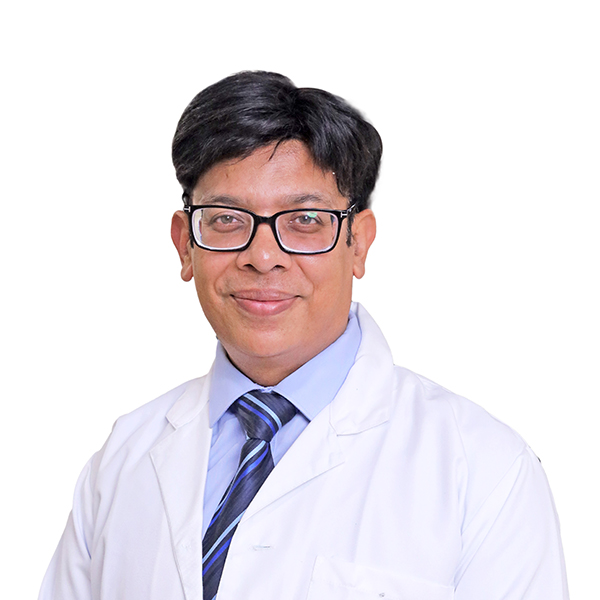
Senior Consultant - Orthopedics & Joint Replacement
Experience: 21+ Years
PrimaCare Clearmedi Multispeciality Hospital,Sector 104, Noida
Sometimes a chronic headache, convulsions without explanation, eyesight problems, or difficulty with your balance could be signs of a brain condition. These symptoms can have many causes but should be investigated if they persist, worsen, or are associated with other neurological changes. One possible explanation is a brain tumor, an abnormal development of cells in or around the brain.
A brain tumor can be benign (not cancerous) or malignant (cancer). Its effects vary depending on its nature, size, location, and pattern of growth. Some tumors can be watched; others may need surgery, radiation therapy or medication.
ClearMedi Healthcare is offering brain tumor evaluation and treatment services to patients in Noida, which includes neurosurgical care. The sooner it is diagnosed, the better physicians will grasp the disease and will be able to discuss the appropriate treatment options.
Brain tumor surgery is a neurosurgical operation in which all or part of an abnormal growth is removed from the brain or adjacent structures. Main objectives may be to relieve symptoms, reduce pressure on surrounding brain tissue, get tissue for diagnosis, or remove as much of the tumor as may safely be removed.
Not all patients need or benefit from the procedure. The decision is influenced by such factors as the tumour's location, size, kind, growth rate and relationship to vital areas controlling movement, speech, vision and other functions.
Surgery may be used alone or in combination with radiation therapy, chemotherapy or targeted therapy. The strategy is decided by the treating professionals after looking at imaging data and the patient’s general health.
Brain tumors are classified according to their site, type of cell and behavior.
The type of tumor is essential as it determines treatment plans, whether surgery is needed and whether other therapies may be proposed.
Symptoms depend on the location, size and growth of the tumor. Some develop slowly; others might happen rapidly, especially if a tumor causes swelling or pressure changes inside the skull.
Common symptoms are:
A physician may consider surgery if the tumor is pressing on vital brain structures, causing substantial symptoms, requires a tissue diagnosis, or can be safely removed. Sometimes surgery is done to make the tumor smaller rather than eliminate it.
Urgent medical assistance is required for abrupt seizures or loss of consciousness, sudden new weakness, sudden severe confusion, or sudden extremely acute headache. If you have these symptoms, do not wait for a normal checkup.
Diagnosis starts with a review of symptoms, medical history and a neurological examination. The doctor may test your vision, hearing, speech, strength, reflexes, memory and coordination to see which areas may be impacted.
Imaging tests help to identify the location, size and features of the tumor.
The findings are discussed with the relevant professionals before the treatment plan is finalized.
Treatment is tailor-made. You don’t automatically need an operation when you are diagnosed with a brain tumor.
Some slow-developing tumors that do not generate symptoms may require regular clinical assessment and brain imaging. The decision relies on the type of tumor, its size, its location and changes over time.
Surgery may be advised if the tumor is accessible and excision is likely to be of therapeutic benefit. The surgeon may try to take the whole tumor out or to make it smaller while keeping essential functions of the brain intact.
Radiation therapy uses targeted energy to destroy tumor cells. It may be advised after surgery, for tumors that cannot be safely removed or as part of the treatment for certain types of tumor.
Some brain tumors might be treated with drugs that target cancer cell proliferation or particular biochemical alterations. Depending on the diagnosis, these treatments may be utilized in conjunction with surgery or radiation therapy.
Thus, a brain tumor therapy plan may involve one or a combination of therapy methods. The choice depends on the tumor characteristics and on the patient’s needs.
The surgical strategy is determined by the location of the tumor and its relation to the surrounding brain tissue.
A craniotomy is a temporary opening of part of the skull to access the tumor. The surgeon removes as much of the tumor as possible without damaging neighboring structures. Usually, the bone part is put back after the treatment.
For some tumors close to areas that control speech or movement, surgery may be done with the patient awake for part of the operation. This enables the surgical team to assess vital functioning during therapy.
Some tumors at the base of the skull, including some pituitary tumors, can be accessed using an endoscope. Sometimes tools are introduced through the nose to access the damaged area, instead of a huge exterior cut.
Microsurgery employs magnification and specialized devices to work around sensitive brain structures. Neuronavigation is the utilization of imaging information to assist the surgeon in certain procedures.
The choice of procedure relies on the tumor and the patient’s condition. Neurosurgery for brain tumors calls for meticulous planning since it is necessary to preserve neurological function as well as treat the tumor.
Generally, it involves consultation, preparation, surgery, and post-operative monitoring.
The team analyzes imaging, neurological findings, medical history and appropriate test results. The surgeon outlines the planned procedure, the dangers involved, and the care expected after the operation. Additional inquiry may be required.
The procedure is carried out under the necessary anesthesia. The surgeon uses the planned procedure to reach the tumor and remove all or part of it, depending on what is thought safe. Samples of tissue might be sent to the laboratory for analysis.
The patient is closely followed in a recovery room or critical care unit depending on the procedure and clinical needs. Neurological function, vital signs, and recuperation are checked. Once the report of the tumor is ready, further therapy may be advised.
Recovery from brain surgery is highly individual. This depends on the location of the tumor, the extent of the surgery, the patient's overall condition, and whether there were neurological signs before the procedure.
Some patients may need to be observed in the hospital for a time and then rehabilitated. Physiotherapy can aid with movement and balance, while occupational or speech therapy might be helpful if activities of daily living or communication are compromised.
Follow directions on medications, wound care, physical activity, and follow-up imaging. Seizure medications or other supportive therapies may be provided if clinically indicated.
Report any new or worsening headaches, seizures, weakness, confusion, fever or changes around the surgical wound very quickly. The treating team has to see the patient regularly to judge the recovery and decide whether any further therapy is required.
Surgery for a brain tumor is complex, and the risks depend on the tumor's location and the type of operation. Complications may include:
Some of the neurological alterations may be transitory, while others may be permanent. Before treatment, the surgeon will outline the dangers that are relevant to the individual case.
ClearMedi Healthcare offers a multidisciplinary strategy, including neurosurgeons, oncologists, neurologists and radiologists, as described in its published information on treating brain tumors. The hospital offers brain tumor surgery as one of its treatment choices, including radiation therapy, chemotherapy and targeted treatments.
Its published neurosurgical services include craniotomy, awake craniotomy, and endoscopic skull base surgery. The reported diagnostic and surgical technologies include MRI, CT, EEG, neuronavigation, and microsurgical procedures.
ClearMedi also lays out a patient-care approach that includes consultation, diagnostic evaluation, treatment planning, surgery if required, post-operative monitoring, and rehabilitation support. Further care may include physiotherapy, occupational therapy or speech therapy depending on the needs of the patient.
A specialized evaluation determines the optimal surgery and treatment approach. Patients can talk to the hospital team about the services offered, what care they can expect and what follow-up will be required.
For further information, patients might explore these ClearMedi services:
A diagnosis of a brain tumor can generate numerous questions concerning treatment, surgery, and rehabilitation. The type, location, and growth trend of the tumor are known, and this information assists the doctors in providing a suitable plan. Surgery can be a crucial aspect of care, but not all patients will need it.
ClearMedi Healthcare provides brain tumor surgery in Noida, along with evaluation and neurosurgery procedures. Call the hospital to discuss symptoms, diagnostic findings, and treatment options.
To book an appointment with ClearMedi Healthcare, dial us at +91 9599565977.
FAQ






I recently found myself under your care for a cancer issue. While there, accompanied by my wife, we found that the entire staff at ClearMedi Hospital was exceedingly professional and efficient, from your E.R. receptionists to the cardiac care team. Very proud of your outstanding staff and service.
Sonia Chauhan
I was recently cared for at ClearMedi Hospital following a heart attack. I just wanted to say a few words about the exceptional care I received in the ClearMedi Hospital Cardiac Care Unit and the ICU. All of the doctors and nurses were friendly, pleasant, kind, thorough, conscientious and professional. I am happy to have been in their care.
Purab Singh
I am writing on behalf of my brother who was a patient in your hospital. I would like to thank you on behalf of my entire family for the help and consideration shown to me in what was a very difficult time. Again, I would like to thank you for the services you provide to patients and their families.
Deepal Sinha© Copyright 2026, ClearMedi. All rights reserved.





 Call: 9599565977
