
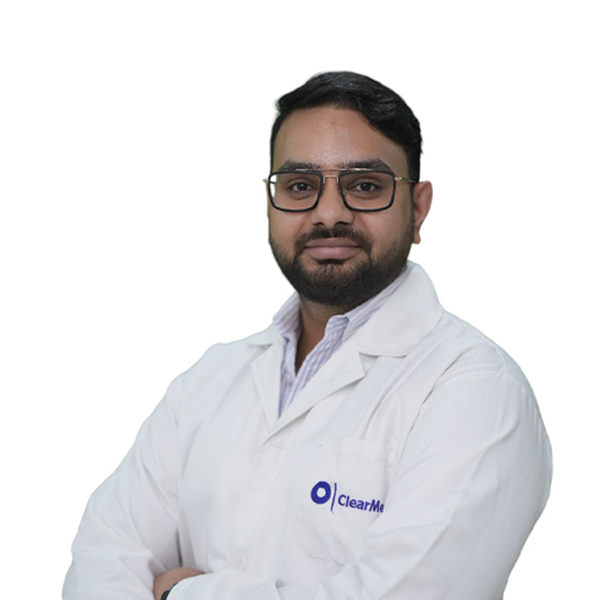
Consultant- General and Laproscopic Surgery
Experience: 11+ Years
PrimaCare Clearmedi Multispeciality Hospital,Sector 104, Noida
Bleeding or pain during a bowel movement can make even a normal trip to the restroom uncomfortable. One possible reason is an anal fissure, a minor tear in the lining of the anal canal. It often arises because of damage to the fragile tissue, sometimes caused by firm stools or frequent straining. Some cracks are easy to cure, but others might continue and cause repeated discomfort.
Anal fissures can happen to anyone, regardless of age. Common signs are intense pain with bowel movements, burning afterward, and little streaks of bright red blood on toilet paper. Ignoring lingering symptoms could delay getting necessary care.
ClearMedi Healthcare, Noida, provides patients with general surgical procedures such as fissure treatment. Early identification of the cause of symptoms enables the determination of whether medication, lifestyle changes, or surgical intervention may be necessary.
The goal of treatment of anal fissures is to ease pain, reduce irritation, and allow the damaged tissue to recover. The treatment will depend on how long the fissure has been there, how severe it is and whether any previous treatment has helped.
Recent or acute fissures usually do better with measures that make bowel movements simpler. These may include good fluid intake, dietary fiber, warm sitz baths, and medications prescribed by your doctor. If the fissures continue, more treatment may be needed to help the anal muscles relax and to encourage healing.
If a fissure is chronic or does not respond to adequate non-surgical treatment, surgical treatment is recommended. It is designed to decrease pressure on the anal canal and assist in healing while retaining normal bowel control.
Anal fissures are usually characterized by the duration of their presence and the alterations noted after examination.
An acute fissure is a very recent tear in the anal lining. It may produce a sharp pain during or after passing a stool, occasionally with a small amount of bright red bleeding. Many acute fissures will improve with proper medical treatment and adjustments in bowel habits.
A chronic anal fissure is a tear that lasts a long time and keeps happening again and again. It can form thicker edges, a small skin tag next to the tear, or visible changes in the muscle underneath. Constant muscle stiffness might decrease blood flow to the area and make recovery more difficult.
Most fissures are primary fissures, i.e., caused by local damage, usually hard stools or straining. Less frequently, fissures might be connected with ailments like inflammatory bowel disease, infections, or other diseases. A fissure that looks weird, is in an unusual spot or doesn’t heal might need additional inspection.
Anal fissures commonly form when the anal lining is strained or torn. There may be several things contributing:
Not all people with these risk factors will get a fissure. A clinical examination can assist in determining the probable cause and excluding other illnesses.
At first, an anal fissure may cause only modest symptoms, but the symptoms can grow more bothersome if the tear does not heal.
Common symptoms include:
If pain or bleeding returns, if symptoms are not getting better, or if bowel motions are problematic, see a doctor. Don’t automatically assume that rectal bleeding is caused by a fissure. Piles and other intestinal problems can generate similar symptoms.
If bleeding is heavy or you have extreme discomfort or develop fever, swelling, or discharge, see a doctor immediately. These symptoms could be a sign of another problem, like an infection or abscess, that needs distinct treatment.
Diagnosis typically starts with a review of symptoms and bowel habits. The doctor may ask when the discomfort started, whether there is bleeding with bowel movements, and whether you have had constipation or diarrhea.
A careful examination of the anal region can help find the tear. Often the fissure is visible without a great deal of testing. If the pain is extreme, the doctor might change the examination to prevent undue distress.
If symptoms are unusual, the fissure does not heal, or another problem is suspected, further investigations may be considered. These can include:
The doctor utilizes the data to differentiate an anal fissure from other causes of anal pain and bleeding before proposing treatment.
Treatment depends on whether the fissure is acute or chronic and how it responds to initial treatment.
Increasing dietary fiber, drinking sufficient water, and avoiding straining will help soften stools and alleviate pressure on the anal lining. Warm sitz baths may help relieve pain and relax the muscles around the anus. Regularity in bowel movements is vital, too.
If constipation is part of the problem, your doctor may recommend stool softeners or laxatives. You can use some recommended ointments to assist in relaxing the anal sphincter muscle and increasing blood flow to the area. Pain management therapy may also be suggested.
In some circumstances, botulinum toxin can be injected into the anal sphincter to temporarily relax the muscle. This might help release pressure and assist healing. Whether it is appropriate depends on the patient’s condition and the view of the treating professional.
If a fissure continues to be painful or fails to heal after proper care, surgery may be considered. The choice of procedure relies on the patient’s fissure, muscle function, and risk factors.
Surgical treatment is normally reserved for persistent or chronic fissures that have failed non-surgical management.
It is a procedure frequently performed for selected persistent fissures. The surgeon makes a controlled incision of part of the internal anal sphincter muscle to relieve the strain. Lower pressure might increase blood flow and allow the fissure to heal.
In certain circumstances, the surgeon may excise the diseased or damaged tissue around the fissure. This is called a fissurectomy. The operation may be considered based on the appearance of the fissure and the clinical condition of the patient.
Some people may be candidates for a mix of medical treatment and operations. The surgeon will analyze the status of the anal muscles, bowel habits, and danger of loss of bowel control before deciding a method.
Fissure operation is not for all patients. The decision should be made after discussing the projected advantages, the probable hazards, and the alternatives. Similarly, fissure removal surgery is not a single standard treatment; the specific operation varies according to the particular diagnosis.
The process is generally preparation, procedure, and post-surgical observation.
Medical evaluation of the patient. The doctor will check your symptoms, drugs, allergies, and existing health issues. You will be told about any tests you need to have and any preparation before the operation.
The operation is performed under the anesthetic chosen by the treating team. The surgeon performs the intended treatment, depending on the condition of the patient, e.g., sphincterotomy or fissurectomy.
The patient is monitored in the anesthetic recovery. The care team will talk to you about pain treatment, wound care, bowel habits, medicines, and follow-up appointments. The discharge plan is dependent on the procedure and the recovery of the patient.
Recovery relies on the type of treatment, the severity of the fissure, and the general health of the patient. Patients should follow the surgeon’s advice and not a set recuperation schedule.
Keeping stools soft is a vital element of the aftercare. Reducing straining can be helped by eating a diet high in fiber, drinking enough fluids, and taking any medicines your doctor prescribes. Warm sitz baths can be comforting, and mild movement can help with overall rehabilitation.
Don’t be too hard on yourself, and follow the suggestions about returning to work, exercise, and other activities. If pain intensifies, bleeding is heavy, a fever develops, or there is odd discharge, call the care team.
Follow-up appointments are scheduled to assess healing, discuss bowel habits, and answer questions. Patients should seek consultation if symptoms recur or there are changes in bowel control after treatment.
Surgery for anal fissures is performed to help them heal; however, surgery can be risky. Complications may include:
The risk is different according to the procedure, the patient's previous bowel function, and other medical considerations. This information is particularly crucial when you are thinking about sphincter surgery. Before treatment the surgeon should describe the possible advantages and disadvantages.
ClearMedi Healthcare offers fissure treatment, among other services, in its General Surgery department in Noida. Its published information also suggests that surgical care covers anorectal disorders such as piles, fissures, and fistulas.
The hospital describes a patient care procedure starting with the initial consultation, assessment of symptoms and medical history, diagnosis, individualized treatment planning, pre-operative counseling if surgery is indicated, post-operative monitoring, pain control, and follow-up.
It has a Noida General Surgery site that identifies diagnostic services like ultrasound, CT, MRI, X-ray, and laboratory testing. Investigations for anal fissure are guided by the symptoms and the assessment of the treating team.
Patients can explore treatment choices with the care team and see if medical management or a surgery is indicated. Consultation should validate the precise surgical approach and availability.
Other ClearMedi services that patients seeking therapy for anorectal diseases can look at are
These pages contain information regarding ClearMedi's general and gastrointestinal surgical services.
If you have persistent anal pain, burning, or bleeding, don’t ignore it. An early diagnosis can help to detect an anal fissure and separate it from other illnesses with similar symptoms. Most fissures respond to non-surgical therapy, while chronic cases may require a procedure after an expert assesses them.
ClearMedi Healthcare provides common surgical procedures such as fissure management. If you are looking for anal fissure treatment in Noida, contact the hospital to discuss your symptoms and get assessed.
To get an appointment with ClearMedi Healthcare, call +91 9599565977.
FAQ




I recently found myself under your care for a cancer issue. While there, accompanied by my wife, we found that the entire staff at ClearMedi Hospital was exceedingly professional and efficient, from your E.R. receptionists to the cardiac care team. Very proud of your outstanding staff and service.
Sonia Chauhan
I was recently cared for at ClearMedi Hospital following a heart attack. I just wanted to say a few words about the exceptional care I received in the ClearMedi Hospital Cardiac Care Unit and the ICU. All of the doctors and nurses were friendly, pleasant, kind, thorough, conscientious and professional. I am happy to have been in their care.
Purab Singh
I am writing on behalf of my brother who was a patient in your hospital. I would like to thank you on behalf of my entire family for the help and consideration shown to me in what was a very difficult time. Again, I would like to thank you for the services you provide to patients and their families.
Deepal Sinha© Copyright 2026, ClearMedi. All rights reserved.





 Call: 9599565977
