Diabetes Treatment In Noida
The disease is chronic and requires proper early diagnosis and a treatment strategy, along with monitoring the patient's status and keeping their blood glucose levels under control to prevent complications. Diabetics in Noida seeking high-quality care will need to choose a healthcare facility with experienced doctors, up-to-date diagnostics, and comprehensive treatment. The therapy usually includes medication and insulin administration, regular monitoring of blood glucose levels, nutritional counselling, physical activity, and regular screening for diabetes-related complications. Continuous glucose monitoring is an effective technique that can be applied when it is appropriate for a certain patient.
At ClearMedi Healthcare, located in Sector 104, Noida, we provide individualised medical care and help our patients learn more about their diabetes and follow an individual treatment regimen. Experienced doctors examine patients' glucose levels, medical history, risk factors, and existing comorbidities in order to prescribe proper treatment.
What Is Diabetes?
Diabetes refers to a chronic medical condition wherein the concentration of glucose in the blood rises to a higher level than normal. Diabetes occurs due to insufficient production of insulin, improper functioning of insulin, or both. The role of the insulin hormone is to regulate glucose transportation from the blood to the cells, where glucose is metabolised to provide energy to the body. There are three basic types of diabetes, namely, type I, type II, and gestational diabetes. The most common type of diabetes is type II diabetes, which may occur due to genetics, obesity, poor diet, and lack of physical activity. Uncontrolled diabetes leads to major health complications in the heart, kidneys, eyes, nerves, and blood vessels. Dietary modification, physical activity, medication, and other medical treatments are some of the ways by which diabetes can be controlled.
What Are The Types Of Diabetes?
Some types of diabetes include:
- Type 1 Diabetes: It is an autoimmune condition in which the immune system destroys cells in charge of producing insulin; hence, very little insulin or no insulin at all is produced.
- Type 2 Diabetes: This is the most common form of diabetes. In this case, the body fails to produce enough insulin and/or fails to effectively use it.
- Gestational Diabetes: This is a type of diabetes that is developed during pregnancy, and it resolves itself soon after the birth of the baby. This kind of diabetes may raise the risk of developing Type 2 diabetes.
- Prediabetes: In prediabetes, the amount of glucose in the blood is above average, but it does not qualify as Type 2 diabetes.
There are other forms of diabetes, such as monogenic diabetes, which results from a genetic disorder or is acquired through some diseases, conditions of the pancreas, or medications.
What Are The Causes And Risk Factors Of Diabetes?
The causes of diabetes can range from genetic factors, environmental triggers, lifestyle habits, and various health issues. The causes and risk factors of developing diabetes may differ depending on the type of diabetes.
- Genetics – having one or both parents diagnosed with diabetes increases the likelihood of developing diabetes.
- Being overweight or obese - being overweight or having excessive weight gain, especially in the abdominal area, puts a person at risk of developing insulin resistance.
- Lack of physical activity - not engaging in any exercises or activities makes one predisposed to Type 2 diabetes.
- Poor nutrition – having poor dietary habits, including processed foods, high consumption of soft drinks, and excess caloric intake, raises one's risk of contracting diabetes.
- Age – being old puts one at risk of contracting Type 2 diabetes.
- High blood pressure and poor cholesterol levels – these health conditions are common among individuals suffering from Type 2 diabetes.
- Having gestational diabetes – women with gestational diabetes are at risk of getting Type 2 diabetes later in life.
- Endocrine or pancreatic disorders – some disorders involving the pancreas and endocrine glands make the person at risk of contracting diabetes.
- Genetic or autoimmune conditions: Type 1 diabetes is mainly associated with autoimmune and genetic conditions and not with any lifestyle decisions.
What Are The Symptoms Of Diabetes?
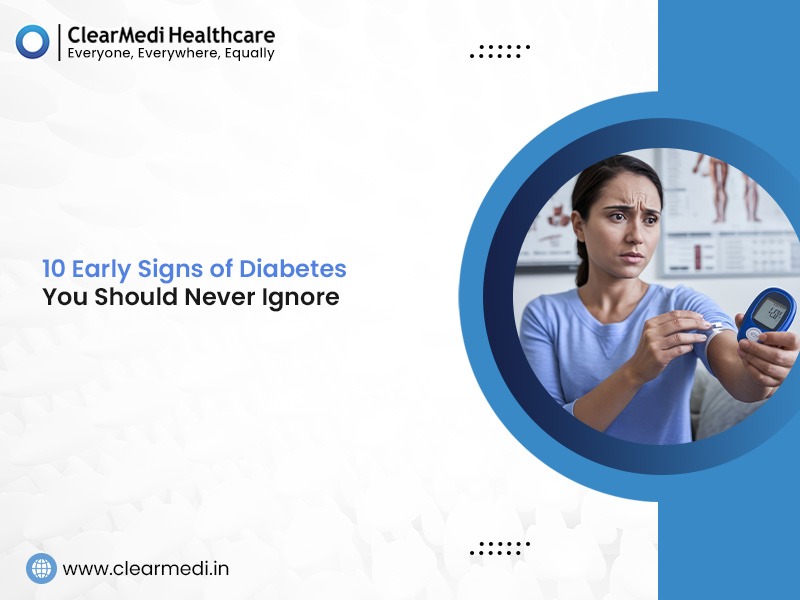
Some symptoms of diabetes include:
- Frequent visits to the bathroom to pee, particularly at night time.
- Experiencing extreme thirst despite consuming a lot of fluids.
- Feeling extremely hungry most of the time despite regular eating habits.
- Unexplained weight loss without any change in diet or workout routines.
- Feeling lethargic and tired all the time.
- Temporary or prolonged blurring of vision.
- Delayed wound healing process due to frequent infections.
- Developing infections, such as in the skin and urinary tract.
- Tingling sensations and numbness in feet and fingers.
- Dryness of the skin because of dehydration and high levels of blood glucose.
When Should You Visit An Endocrinologist?
You should visit a diabetes doctor in Noida for the following reasons:
- Continued elevated blood sugar levels: Elevated glucose levels despite making efforts to adopt healthier habits or undergoing medication.
- Uncontrolled diabetes: When there is instability of blood sugar levels or uncontrolled blood sugar levels.
- Possible complications of diabetes: Possible development of kidney problems, vision problems, nerve problems, cardiovascular issues or blood vessel complications.
- When insulin treatment is required: In case insulin treatment has to be started, adjusted or monitored.
- If hypoglycemia occurs frequently: Hypoglycemia occurring regularly can require consulting an endocrinologist.
- Suspected hormonal disorder: If there are suspicions that the person suffers from diabetes or other endocrine problems.
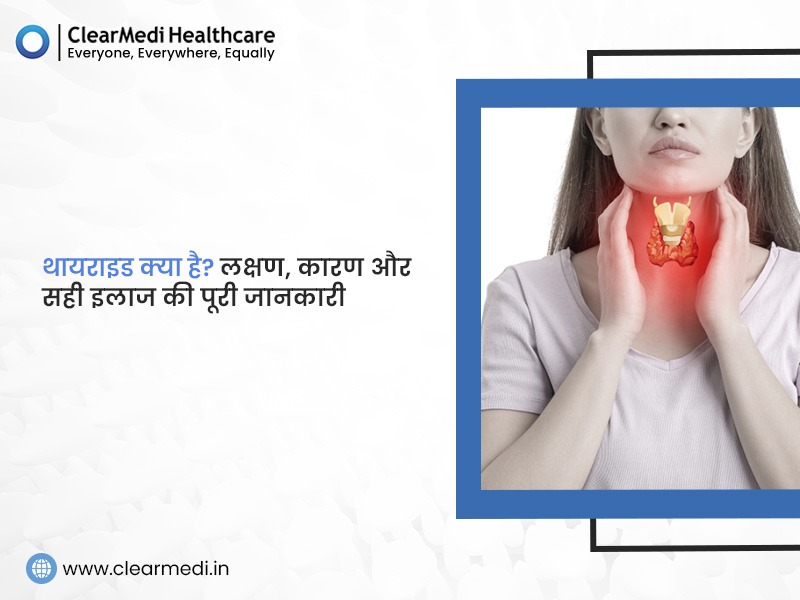
- Endocrine disorders: If the patient faces continual troubles of the thyroid, adrenal, pituitary or any other endocrine organ.
- Pregnancy-related diabetes: The doctor may recommend additional measures to deal with the disease during the pregnancy period.
How Do Doctors Diagnose Diabetes?
Doctors generally diagnose diabetes using methods such as blood tests. Some more tests to measure diabetes include:
- Fasting Plasma Glucose Test: Your blood sugar is checked after you have been fasting for at least 8 hours.
- Haemoglobin A1c Test: It shows your average blood sugar in the past 2 to 3 months, and fasting is not needed for this test.
- Oral Glucose Tolerance Test (OGTT): It is used to measure blood sugar levels before and after consuming glucose in a sweetened drink.
- Random Plasma Glucose Test: It measures your blood sugar at any time of the day regardless of what and when you ate.
- Further Tests: In case of suspicion of Type 1 diabetes, there may be recommendations to do antibody testing or other special testing to determine your type of diabetes.
What Are The Treatment Options For Diabetes?
The therapy of diabetes involves the regulation of glucose levels in the blood, prevention of complications, and improvement of well-being. The type of therapy will be determined by the condition of the individual and will consist of modification of behaviour, intake of medication, insulin usage, monitoring of glucose levels, nutrition consultation, and visiting specialists.
- Lifestyle modification: The consumption of healthy foods, being physically active, maintaining a healthy body weight, having adequate rest, and limiting the intake of sweets is important to control glucose.
- Medication: Patients may receive oral medications such as metformin and other antidiabetic drugs that reduce glucose levels according to their health condition.
- Insulin therapy is required for Type 1 diabetes patients. Type 2 diabetes patients may also require insulin if there is a need to decrease their blood sugar level due to the inefficiency of other treatment options.
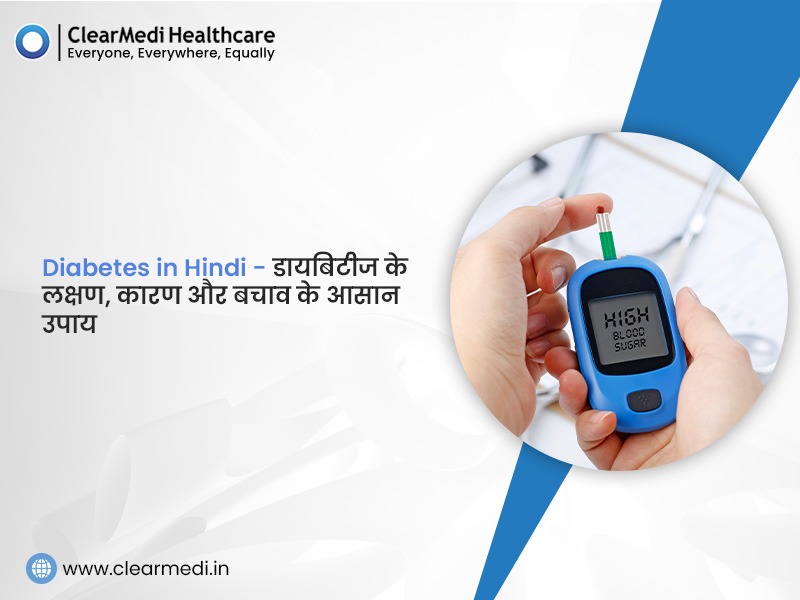
- The regular monitoring of blood glucose levels allows tracking of fluctuations in glucose levels and informs treatment decisions. There are special medical devices that continuously monitor glucose levels.
- It is necessary to take care of other health problems of patients, such as hypertension, hypercholesterolemia, kidney diseases, etc.
- Regular visits to a doctor and screening for possible complications allow monitoring of the efficiency of the treatment.
What Are The Complications That May Arise If You Do Not Treat Diabetes?
If you do not treat diabetes and seek medical attention when required, then many complications can arise, such as:
- Heart disease and stroke: People who have diabetes can have an increased risk of developing heart conditions, having heart attacks and strokes.
- Kidney damage: When blood glucose levels are high, they can affect the kidneys and cause serious issues, such as kidney failure.
- Eyesight issues: Diabetes may affect blood vessels in the eyes and result in the development of diabetic retinopathy and blindness.
- Nerve damage: Symptoms of diabetic neuropathy include the sensation of numbness, tingling, burning and pain, usually in the feet and hands.
- Foot problems: As a consequence of poor circulation and lack of feeling, there might be difficulty with wound healing that can lead to serious infections.
- Delayed wound healing: High blood sugar prevents wounds from healing properly.
- Risk of infections: If diabetes is not managed, it may lead to infections occurring more frequently or being harder to treat.
- Oral health problems: There is an increased risk of gum diseases and other dental issues caused by diabetes.
- Dangerous changes in blood sugar levels: Extremely high and extremely low blood sugar levels are dangerous situations and require emergency treatment.
Why Choose ClearMedi, Noida For Diabetes Treatment And Management?
You should choose ClearMedi, Noida for diabetes treatment and management for the following reasons:
- Personalised diabetes treatment: Diabetes care plan tailored according to the individual’s blood sugar level, medical history, lifestyle, etc.
- Skilled doctors and specialists: Skilled medical professionals can diagnose and treat patients’ diseases.
- Advanced diagnostic techniques: Latest diagnostic procedures can be conducted to make treatment decisions easy for doctors.
- Multispecialty healthcare: Diabetic complications can affect kidneys, heart, nerves, eyes, skin, and other organs and body parts. At ClearMedi, we have a panel of various specialities that join hands if necessary.
- Comprehensive healthcare centre: Various branches of medicine, along with laboratories and radiology facilities, are available at the hospital.
- Management of the disease: Regular monitoring, check-ups, guidance in lifestyle change, and treatment modification can improve the control of the blood sugar level.
- Nearby location: The multispecialty hospital PrimaCare ClearMedi is situated in Block A, Sector 104, Noida.
What Is The Treatment Process Like For Diabetes?
The treatment process for diabetes looks like:
- Initial assessment: The doctor analyses your signs, medical history, hereditary background, lifestyle, and any existing health conditions.
- Diagnosis: This can involve a range of diagnostic procedures such as measuring fasting blood sugar level, HbA1c, random blood glucose, and oral glucose tolerance test.
- Assessment of health risks: The doctor examines you for hypertension, hypercholesterolemia, kidney dysfunction, eye problems, neuropathy, and foot disorders to detect diabetes-related conditions.
- Individually tailored treatment: Depending on your health state, treatment may involve modification of diet, regular exercise, medications, insulin injections, and other methods aimed at keeping your blood glucose within a normal range.
- Monitoring of blood sugar: Testing your blood glucose frequently can provide valuable information about the effectiveness of your treatment.
- Lifestyle recommendations: You will get recommendations regarding healthy eating, physical activity, body weight, proper sleep, and other healthy lifestyle habits.
- Regular consultations: Your health status will be monitored by the doctor, and he or she may adjust medications or other aspects of your treatment if necessary.
- Prevention of complications: Regular visits and management of related diseases will decrease the risks of developing complications associated with diabetes.
Book your appointment today
If you are looking for the diabetes treatment doctor in Noida, then one of the and most accessible choices is ClearMedi Hospital located in Sector 104. If you want to book an appointment here, please visit our official website or contact us at +91 9599565977.
Call now!










 Call: 9599565977
