
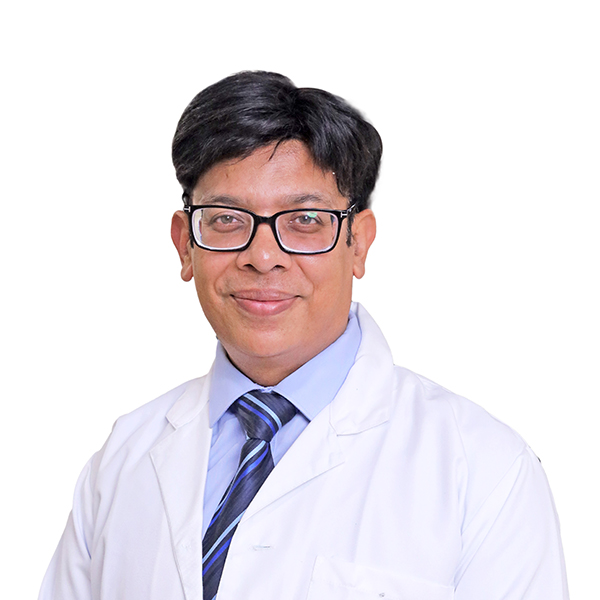
Senior Consultant - Orthopedics & Joint Replacement
Experience: 21+ Years
PrimaCare Clearmedi Multispeciality Hospital,Sector 104, Noida
A head injury can range from a minor bump or scalp injury to a serious traumatic brain injury involving the skull, brain tissue, or blood vessels. Early assessment is important because some internal injuries may not produce obvious symptoms immediately. Symptoms can include headache, dizziness, confusion, vomiting, loss of consciousness, weakness, or changes in vision and speech. At ClearMedi Healthcare, evaluation of head injuries may involve clinical assessment, neurological examination, and appropriate imaging to determine the severity of the injury. Depending on the findings, head injury treatment in Noida may include observation, medication, emergency stabilisation, surgery, nursing care, or rehabilitation.
A head injury occurs when an external force affects the scalp, skull, or brain. It can result from falls, road traffic accidents, sports injuries, physical impact, or other forms of trauma.
The effects of a head injury depend on the force of impact, the part of the head affected, and whether the brain or blood vessels have been damaged. Some injuries are limited to the scalp and may cause swelling or a bump on head, while more serious injuries can result in skull fractures, brain contusions, bleeding, or traumatic brain injury.
A head injury can produce immediate symptoms, while some complications may develop later. For this reason, people with significant trauma or concerning symptoms should undergo timely medical evaluation.
Head injuries can be classified according to the structures affected and the severity of the trauma.
These injuries affect the scalp and tissues surrounding the skull. They may cause swelling, bruising, cuts, or a scalp hematoma, which is a collection of blood beneath the scalp.
A concussion is a form of mild traumatic brain injury that can temporarily affect brain function. Symptoms may include headache, dizziness, confusion, memory problems, nausea, and sensitivity to light or sound.
A brain contusion is a bruise to brain tissue that can occur after significant trauma. Depending on its size and location, it may require close monitoring or further treatment.
Head trauma can sometimes cause bleeding inside the skull. The severity depends on the location and amount of bleeding and may require emergency assessment and treatment.
Traumatic brain injury (TBI) refers to an injury that affects normal brain function following external trauma. TBI can range from mild injuries to severe injuries requiring intensive medical management.
Common causes of head injuries include:
The risk of serious injury may increase when the impact is severe, the person is elderly, the person is taking blood-thinning medication, or there are other medical conditions that increase the risk of bleeding.
Children and older adults may also require particular attention after a head injury because symptoms and complications can vary between individuals.
Symptoms depend on the severity and location of the injury. Some symptoms may appear immediately, while others can develop later.
Common symptoms include:
Small brain bleed symptoms may initially be subtle. They can include persistent or worsening headache, confusion, unusual sleepiness, weakness or numbness, vomiting, vision changes, or speech difficulties. Symptoms after head trauma should not be ignored, particularly when they worsen over time.
Medical evaluation is important after a significant head injury, particularly when symptoms are persistent, worsening, or unusual.
Seek emergency medical attention if there is:
People experiencing these symptoms may require head injury emergency treatment in Noida and prompt neurological assessment.
The diagnosis begins with a review of how the injury occurred, the patient's symptoms, medical history, and neurological condition.
A doctor may assess:
CT scans are commonly used in emergency assessment when there is concern about bleeding, skull fractures, or other acute injuries.
An MRI may be recommended in selected cases to provide more detailed information about brain structures and certain injuries that may not be clearly visible on CT.
In patients with severe traumatic brain injuries, intracranial pressure monitoring may be considered to help guide critical care management.
The appropriate head injury treatment depends on the severity and type of injury, the presence of bleeding or swelling, and the patient's overall condition.
Patients with minor injuries may require observation, symptom monitoring, rest, and appropriate medication as advised by a healthcare professional.
Patients with serious injuries may require head injury emergency treatment in Noida, including stabilisation of breathing and circulation, neurological monitoring, imaging, and management of complications.
Patients with intracranial bleeding or significant brain swelling require close medical monitoring. Depending on the location and severity of the injury, treatment may involve medication, intensive care, procedures, or surgery.
Some serious head injuries may require surgery to remove a blood collection, relieve pressure on the brain, repair certain skull injuries, or manage other complications.
A neurosurgeon for head injury in Noida may be involved when surgical assessment is required.
Patients recovering from moderate or severe traumatic brain injury may require rehabilitation based on their symptoms and functional needs. Rehabilitation can include physical, occupational, speech, or other supportive therapies.
TBI treatment and traumatic brain injury therapy are planned according to the severity and type of injury and the patient's recovery needs.
Some head injuries can lead to complications, particularly when the injury is severe or treatment is delayed.
Possible complications of head injury include:
In severe cases, nursing assessment and monitoring form an important part of patient care. A nursing diagnosis for head injury may involve problems or risks related to altered consciousness, impaired cerebral tissue perfusion, reduced mobility, risk of injury, or other clinical findings.
Head injuries cannot always be prevented, but certain measures can reduce risk:
Timely assessment and appropriate monitoring are important when managing head injuries. ClearMedi Healthcare provides a multispeciality setting for evaluation and treatment planning based on the severity of the injury.
Key aspects of care may include:
The treatment process generally involves:
If you or a loved one has suffered a head injury and needs prompt medical evaluation, contact PrimaCare ClearMedi Multispeciality Hospital, Block A, Sector 104, Noida, Uttar Pradesh 201304 for timely medical guidance and treatment. The medical team can assess the injury, recommend appropriate diagnostic tests, and guide you through the next steps based on the severity and type of head injury. Call +91 9599565977 to book a consultation for head injury treatment in Noida.
FAQ




I recently found myself under your care for a cancer issue. While there, accompanied by my wife, we found that the entire staff at ClearMedi Hospital was exceedingly professional and efficient, from your E.R. receptionists to the cardiac care team. Very proud of your outstanding staff and service.
Sonia Chauhan
I was recently cared for at ClearMedi Hospital following a heart attack. I just wanted to say a few words about the exceptional care I received in the ClearMedi Hospital Cardiac Care Unit and the ICU. All of the doctors and nurses were friendly, pleasant, kind, thorough, conscientious and professional. I am happy to have been in their care.
Purab Singh
I am writing on behalf of my brother who was a patient in your hospital. I would like to thank you on behalf of my entire family for the help and consideration shown to me in what was a very difficult time. Again, I would like to thank you for the services you provide to patients and their families.
Deepal Sinha© Copyright 2026, ClearMedi. All rights reserved.





 Call: 9599565977
