
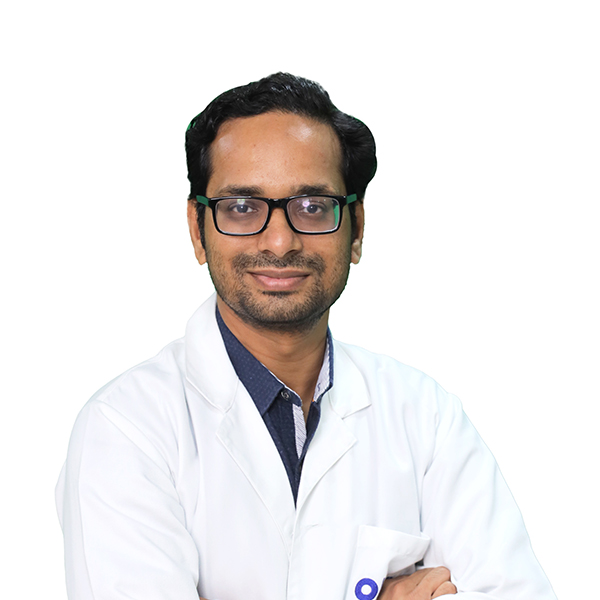
Consultant - Department of Gastrointestinal & Surgical Oncology
Experience: 12+ Years
PrimaCare Clearmedi Multispeciality Hospital,Sector 104, Noida
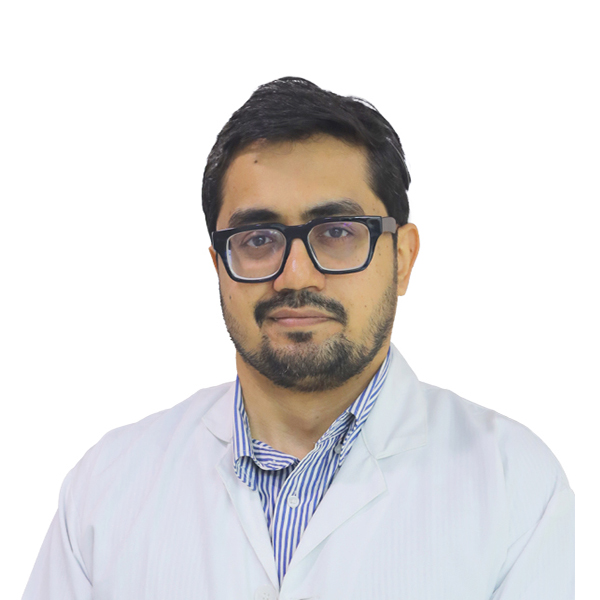
Consultant – Surgical Oncology & Minimal Access Surgery
Experience: 11+ Years
PrimaCare Clearmedi Multispeciality Hospital,Sector 104, Noida
Oral cancer is a type of cancer that can develop in the lips or different parts of the oral cavity, including the tongue, gums, inner cheeks, floor of the mouth, and roof of the mouth. Common oral cancer symptoms may include a persistent mouth ulcer, unexplained bleeding, a lump or thickened area, pain, difficulty chewing or swallowing, or changes in speech.
Early assessment of persistent mouth changes can help determine the underlying cause and whether further testing is required. At ClearMedi Healthcare, patients seeking oral cancer treatment in Noida can receive specialist evaluation, diagnostic assessment, and treatment planning based on the location, stage, and characteristics of the cancer.
Oral cancer refers to cancer that develops in the tissues of the mouth. It may affect areas such as the lips, tongue, gums, inner lining of the cheeks, floor of the mouth, or hard palate.
The condition develops when abnormal cells grow uncontrollably and form a tumour or lesion. The symptoms and treatment approach can vary according to the location and extent of the cancer.
A patient may initially notice a persistent ulcer, lump, unexplained bleeding, pain, or another change inside the mouth. However, these symptoms can also occur because of non-cancerous conditions. A clinical examination is therefore needed to determine the cause.
An oral cancer doctor in Noida may recommend further investigations if an oral lesion appears suspicious or does not resolve as expected.
Oral cancer can occur in different parts of the mouth, including the tongue, gums, lips, inner cheeks, floor of the mouth, and hard palate.
The extent of oral cancer is assessed through staging. Staging helps doctors understand the size and extent of the primary tumour and whether nearby lymph nodes or other parts of the body are involved. The findings help guide treatment planning.
The specific stage depends on factors such as the tumour's size, involvement of nearby structures, lymph-node involvement, and spread to distant parts of the body.
Treatment therefore cannot be determined from symptoms alone. A confirmed diagnosis and appropriate staging assessment are needed before selecting a treatment approach.
Several factors can increase the risk of oral cancer. These may include:
Not everyone with these risk factors develops oral cancer, and oral cancer can sometimes occur in people without an obvious risk factor.
The oral cancer causes can involve multiple factors rather than a single cause. Long-term exposure to tobacco and alcohol is an important established risk factor for many oral and head-and-neck cancers. Individual risk varies, so persistent or unusual changes in the mouth should be medically assessed rather than attributed to a particular cause without examination.
The symptoms of oral cancer can vary according to the location and extent of the disease.
Common mouth cancer symptoms and oral cancer signs may include:
The early signs of oral cancer may be subtle and can resemble common dental or mouth conditions. A persistent ulcer, unexplained lump, unusual patch, bleeding, or ongoing pain should be evaluated if it does not resolve or continues to change.
Oral cancer symptoms in mouth can include persistent sores, lumps, patches, bleeding, pain, numbness, difficulty chewing, or changes in the movement of the tongue or jaw.
Having one of these symptoms does not necessarily mean that a person has cancer. A dentist or doctor can assess the affected area and recommend further investigation when necessary.
You should consider consulting an oral cancer specialist in Noida if you notice a mouth ulcer, lump, unexplained bleeding, persistent pain, unusual patch, or another mouth change that does not improve.
You can also consult a mouth cancer doctor in Noida when these changes continue, become worse, or are accompanied by difficulty swallowing, speaking, chewing, or moving the jaw or tongue.
Depending on the findings, a mouth cancer specialist in Noida may recommend additional examination or investigations to understand the nature of a suspicious lesion.
If a dental or clinical examination identifies a suspicious lesion, further assessment may be recommended to determine whether it is benign, precancerous, or cancerous.
Oral cancer diagnosis generally begins with a medical or dental examination of the mouth, tongue, gums, and surrounding structures.
The doctor may assess the appearance, size, location, and characteristics of a lesion and examine nearby lymph nodes.
Depending on the findings, diagnostic investigations may include:
A biopsy may be needed to confirm whether abnormal tissue contains cancer cells. Further investigations can help determine the extent and characteristics of confirmed cancer and guide treatment planning.
The appropriate mouth cancer treatment depends on factors such as the location and size of the tumour, stage, lymph-node involvement, overall health, and other characteristics of the cancer.
Oral cancer surgery in Noida may be recommended to remove cancerous tissue when surgery is appropriate. An oral cancer surgeon in Noida may determine the extent of surgery based on the location and size of the tumour.
Depending on the cancer, surgery may involve removal of the primary tumour and, when required, assessment or removal of lymph nodes in the neck. Reconstructive procedures may also be considered in some patients.
Radiation therapy uses high-energy radiation to destroy cancer cells or prevent them from growing. It may be used as part of treatment depending on the cancer's location and stage.
Radiation may be used alone in selected situations or in combination with surgery or other treatments.
Some patients may require additional systemic treatment depending on the stage, tumour characteristics, recurrence, or spread of the cancer. The treatment plan may involve more than one treatment modality.
The cancer care team determines the appropriate combination after evaluating the individual patient's condition.
Oral cancer and its treatment can affect functions such as chewing, swallowing, speech, nutrition, and appearance, depending on the location and extent of the disease and the treatment required.
Possible complications may include:
Early evaluation of persistent oral changes can help identify conditions that require treatment.
Risk reduction may include:
Patients looking for an oral cancer hospital in Noida may consider the availability of appropriate specialists, diagnostic services, cancer treatment facilities, surgical support, and follow-up care.
At ClearMedi Healthcare, treatment planning can involve coordination between relevant specialists according to the patient's diagnosis and treatment requirements.
When considering an oral cancer treatment hospital in Noida, patients can evaluate specialist expertise, diagnostic capabilities, available treatment options, multidisciplinary coordination, and follow-up support.
Patients comparing options for the hospital for oral cancer treatment in Noida should consider these factors rather than relying only on promotional claims.
The treatment process generally involves:
The doctor reviews symptoms, medical history, and previous dental or medical reports.
The mouth, tongue, gums, jaw, and neck may be examined for suspicious changes.
A biopsy and other investigations may be performed when required.
If cancer is confirmed, further tests may be used to determine its extent.
Surgery, radiation therapy, systemic treatment, or a combination may be considered according to the diagnosis.
The patient is monitored during treatment and follow-up care to assess recovery and manage treatment-related concerns.
If you have a persistent mouth ulcer, unexplained lump, bleeding, pain, difficulty swallowing, or another unusual change in your mouth, timely evaluation can help determine the cause.
At PrimaCare ClearMedi Multispeciality Hospital, Block A, Sector 104, Noida, Uttar Pradesh 201304, patients can receive specialist evaluation and treatment planning based on their diagnosis and individual needs.
Call +91 9599565977 to book a consultation for oral cancer treatment in Noida.
FAQ





I recently found myself under your care for a cancer issue. While there, accompanied by my wife, we found that the entire staff at ClearMedi Hospital was exceedingly professional and efficient, from your E.R. receptionists to the cardiac care team. Very proud of your outstanding staff and service.
Sonia Chauhan
I was recently cared for at ClearMedi Hospital following a heart attack. I just wanted to say a few words about the exceptional care I received in the ClearMedi Hospital Cardiac Care Unit and the ICU. All of the doctors and nurses were friendly, pleasant, kind, thorough, conscientious and professional. I am happy to have been in their care.
Purab Singh
I am writing on behalf of my brother who was a patient in your hospital. I would like to thank you on behalf of my entire family for the help and consideration shown to me in what was a very difficult time. Again, I would like to thank you for the services you provide to patients and their families.
Deepal Sinha© Copyright 2026, ClearMedi. All rights reserved.





 Call: 9599565977
