
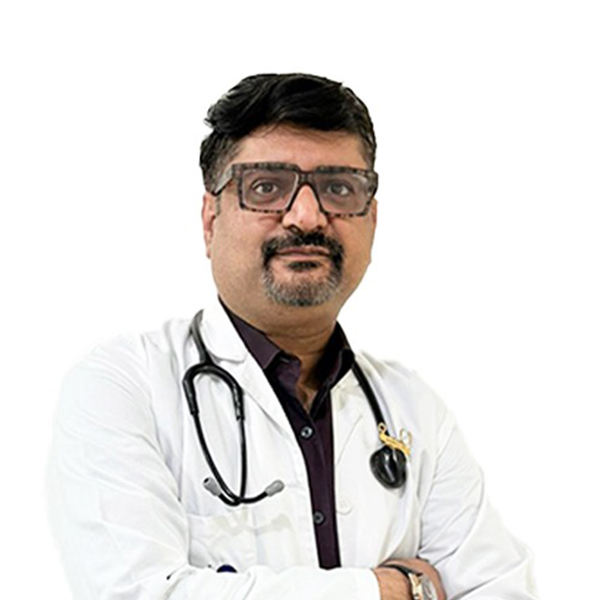
Senior Consultant – Cardiology
Experience: 27+ Years
PrimaCare Clearmedi Multispeciality Hospital,Sector 104, Noida
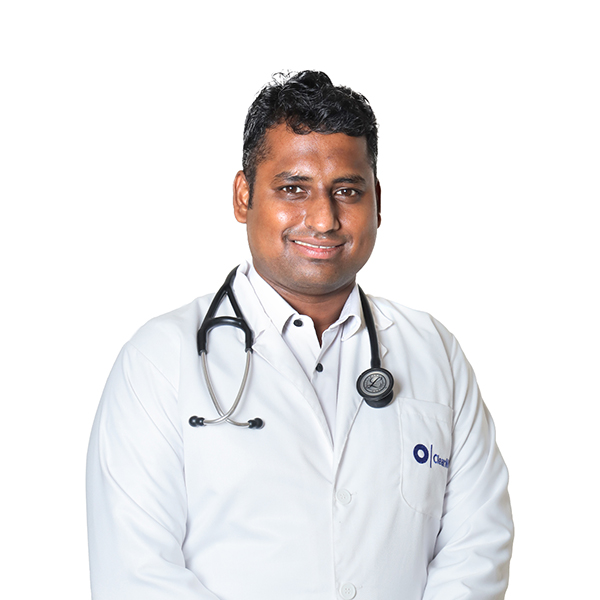
Consultant - Cardiology
Experience: 13 Years
PrimaCare Clearmedi Multispeciality Hospital,Sector 104, Noida
Cardiovascular disease (CVD) refers to conditions affecting the heart and blood vessels, including coronary artery disease, heart failure, arrhythmias, stroke, and peripheral artery disease. Risk can be influenced by high blood pressure, diabetes, high cholesterol, smoking, obesity, physical inactivity and family history. Some cardiovascular conditions can be prevented or effectively managed when identified early. Cardiovascular disease treatment in Noida may include medicines, lifestyle changes, minimally invasive procedures, surgery, and cardiac rehabilitation, depending on the condition. Timely evaluation by a qualified cardiologist can help identify cardiovascular risks and guide appropriate treatment.
Cardiovascular disease is a broad group of conditions that affect the heart or blood vessels. It can interfere with blood flow, affect the heart's pumping ability, disturb its rhythm, or damage the vessels supplying different organs.
Common cardiovascular conditions include coronary artery disease, heart attack, heart failure, arrhythmia, stroke, peripheral artery disease, valve disease, and cardiomyopathy.
A common question is, “Is heart disease genetic?” Genetics and family history can increase a person's susceptibility to certain cardiovascular conditions, but they are only part of the overall risk. Blood pressure, cholesterol, diabetes, smoking, diet, physical activity, and other lifestyle or medical factors can also have a major influence.
Cardiovascular disease includes several conditions affecting different parts of the cardiovascular system:
Atherosclerotic cardiovascular disease, or ASCVD, is another important category. It refers to cardiovascular disease associated with plaque buildup in arteries and includes conditions such as coronary artery disease, peripheral artery disease, and certain types of stroke.
Cardiovascular disease can develop through a combination of inherited, medical, behavioural and environmental factors. Important risk factors include:
Having multiple risk factors can increase the overall likelihood of developing cardiovascular disease. Regular health assessments can help identify and manage modifiable risks.
The symptoms depend on the specific cardiovascular condition. Possible warning signs include:
Some people may have cardiovascular disease without obvious symptoms, particularly in its earlier stages.
You should consult a cardiovascular disease doctor in Noida if you experience recurring chest discomfort, unexplained breathlessness, persistent palpitations, dizziness, fainting, unusual fatigue, or swelling of the legs.
Specialist assessment is also advisable if you have diabetes, high blood pressure, high cholesterol, obesity, a history of smoking, kidney disease or a strong family history of cardiovascular disease.
If chest pain is sudden, severe or persistent, particularly when accompanied by sweating, breathlessness, fainting or pain spreading to the arm, jaw, neck or back, seek emergency medical care immediately rather than waiting for a routine appointment.
Diagnosis depends on the suspected condition and may involve several investigations. Doctors may:
A heart report may contain results from several of these investigations. It should be interpreted by a qualified healthcare professional in the context of the patient's symptoms, medical history and risk factors.
Treatment depends on the specific disease, its severity, associated risk factors, and the patient's overall health.
Lifestyle management: A heart-friendly diet, regular physical activity, healthy weight management, smoking cessation, adequate sleep, and stress management can help reduce cardiovascular risk.
Medicines: Doctors may prescribe medicines to control blood pressure, cholesterol, blood glucose, abnormal heart rhythms, blood clotting, or other underlying conditions.
Angioplasty and stenting: Patients with significant coronary artery narrowing may be considered for catheter-based treatment to improve blood flow.
Bypass surgery: Coronary artery bypass grafting may be recommended for selected patients with extensive or complex coronary artery disease.
Heart rhythm treatment: Some patients may require cardioversion, catheter ablation, a pacemaker or an implantable cardioverter-defibrillator depending on the rhythm disorder.
Valve procedures or surgery: Damaged heart valves may sometimes require repair or replacement.
Cardiac rehabilitation: A supervised programme can support recovery and help patients manage exercise, diet, medications, and cardiovascular risk factors after certain cardiac conditions or procedures.
The appropriate heart disease treatment in Noida is determined after a detailed clinical evaluation rather than by symptoms alone.
Without appropriate management, cardiovascular disease can lead to serious complications, including:
Early diagnosis and control of cardiovascular risk factors can help reduce the likelihood of serious complications.
ClearMedi Healthcare provides multidisciplinary cardiac care in Noida, with specialist evaluation, diagnostic support, and treatment planning based on each patient's condition.
Patients comparing options for the hospital for cardiovascular disease treatment in Noida should consider cardiology expertise, diagnostic facilities, emergency support, available treatment options, and continuity of care.
ClearMedi supports patients through different stages of cardiovascular care, from assessment and diagnosis to medical management, procedures, recovery, and follow-up. A cardiac care hospital in Noida should also be equipped to coordinate care when patients require input from cardiology, critical care, surgery, or other relevant specialties.
For patients seeking a heart specialist in Noida, specialist evaluation can help determine the underlying cardiovascular problem and identify the most appropriate treatment pathway.
The treatment process generally includes:
If you have symptoms or risk factors associated with cardiovascular disease, timely evaluation can help identify problems early and guide appropriate treatment. For cardiovascular disease treatment in Noida, ClearMedi Healthcare provides specialist cardiac evaluation and personalised care. Located in Sector 104, Noida, the hospital can be contacted at +91 9599565977 for appointments and further information.
Book Appointment | Call Now | WhatsApp
FAQ


I was recently cared for at ClearMedi Hospital following a heart attack. I just wanted to say a few words about the exceptional care I received in the ClearMedi Hospital Cardiac Care Unit and the ICU. All of the doctors and nurses were friendly, pleasant, kind, thorough, conscientious and professional. I am happy to have been in their care.
Purab Singh© Copyright 2026, ClearMedi. All rights reserved.





 Call: 9599565977
