
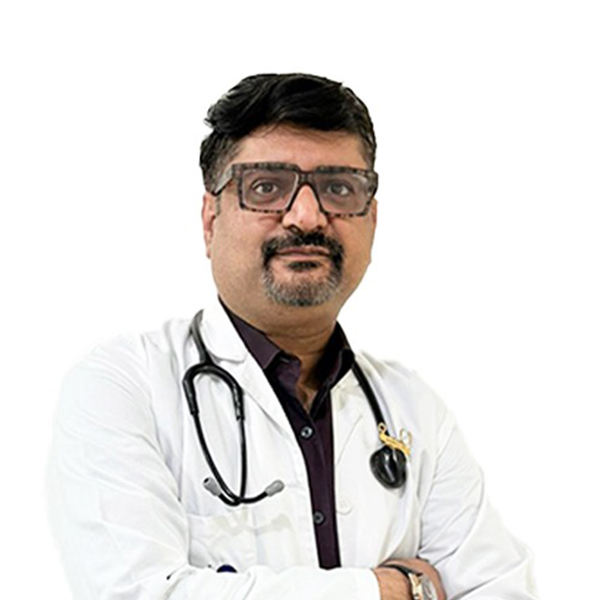
Senior Consultant – Cardiology
Experience: 27+ Years
PrimaCare Clearmedi Multispeciality Hospital,Sector 104, Noida

Consultant - Cardiology
Experience: 13 Years
PrimaCare Clearmedi Multispeciality Hospital,Sector 104, Noida
A cardiac arrest is a medical emergency in which the heart abruptly stops pumping blood properly. If not treated immediately, the brain and other essential organs might be severely damaged in minutes. Therapy for cardiac arrest treatment in Noida involves early CPR, defibrillation if necessary, emergency drugs, airway and breathing support, and therapy of the underlying cause. Patients may need extensive monitoring and subsequent cardiac examination after the heart rhythm is recovered. Early emergency cardiac care in Noida is vital to improve the chances of survival.
Cardiac arrest happens when the heart abruptly stops pumping blood effectively. The person will usually be unresponsive, not breathe regularly, and have no pulse.
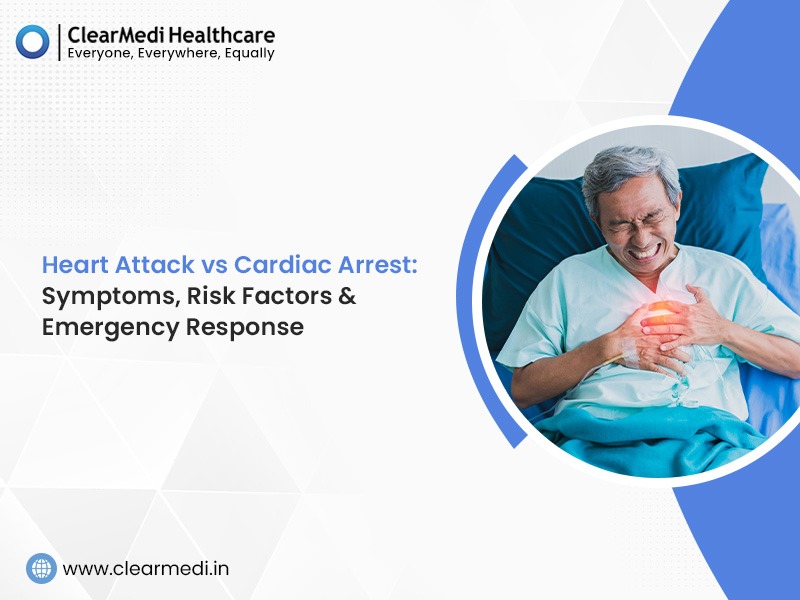
It’s different from a heart attack. A heart attack happens when blood flow to part of the heart muscle is diminished or halted. Cardiac arrest occurs when the heart stops pumping properly. A heart attack can sometimes lead to cardiac arrest. But they are not the same.
Understanding the difference between cardiac arrest vs heart attack is vital since cardiac arrest needs rapid CPR and emergency intervention.
Cardiac arrest is also referred to as cardiac arrest.
Cardiac arrest may occur through several abnormal rhythms, including:
VF and pulseless VT are shockable rhythms, while asystole and PEA are treated primarily with high-quality CPR and appropriate medications.
Heart disease or other major medical disorders can cause cardiac arrest. Common causes and risk factors for:
Sudden cardiac arrest is a sudden onset of symptoms. Cardiac arrest symptoms include:
Some persons may experience chest discomfort, dyspnea, palpitations, dizziness, or odd weakness before cardiac arrest, although these are not accurate warning symptoms in every situation.
Call emergency authorities immediately if you see someone suddenly collapse and they are unresponsive and not breathing normally or not breathing at all.
Immediate action is critical.
Cardiac arrest emergency treatment in Noida begins with early detection, CPR, defibrillation if indicated and advanced resuscitation.
Cardiac arrest is initially recognised clinically by checking responsiveness, breathing, and circulation. Once resuscitation is underway, doctors investigate why the arrest occurred.
Tests may include:
The investigation depends on the patient's condition and suspected cause.
The immediate priorities of cardiac arrest treatment in Noida are restoring circulation, supporting breathing, and correcting the cause.
Treatment may include:
Cardiac arrest medications are selected according to the cardiac rhythm and clinical situation. “Drugs like epinephrine can be used in advanced resuscitation according to established protocols.” For some shock-refractory rhythms, use of amiodarone or other antiarrhythmic therapy may be appropriate.
These drugs are given by trained medical staff during emergency resuscitation.
The ACLS cardiac arrest algorithm provides a framework for advanced resuscitation. This comprises early detection, high-quality CPR, rhythm check, defibrillation for shockable rhythms, appropriate emergency medicines, airway care, and rechecking of the rhythm.
Once spontaneous circulation is restored, the team will continue post-cardiac-arrest care and examine the underlying cause.
The heart and lungs are unable to maintain circulation and oxygen supply properly, which defines a clinical syndrome called cardiorespiratory failure. Severe respiratory failure can cause cardiac arrest, which quickly leads to the cessation of efficient circulation and supply of oxygen. The term cardiorespiratory arrest, which is similar but not identical, refers to the simultaneous or near-simultaneous cessation of efficient respiration and circulation and requires rapid resuscitation.
Possible complications include:
The prognosis depends on the speed of initiation of CPR, the reason, the first rhythm, the time until defibrillation if necessary, and the responsiveness to therapy by the patient.
If you are looking for the hospital for cardiac arrest treatment in Noida, patients should look at emergency response, critical care capabilities, cardiac monitoring, diagnostic assistance, and availability of multidisciplinary specialists.
ClearMedi Healthcare provides you :
ClearMedi Healthcare is located in Sector 104, Noida, providing access to multispecialty and critical care services for patients requiring urgent medical attention.
The treatment process generally involves:
Cardiac arrest requires immediate emergency intervention rather than routine appointment-based care. For cardiac arrest hospital in Noida and cardiac ICU in Noida support, ClearMedi, Sector 104, provides emergency and critical care services. For cardiac arrest treatment in Noida, contact +91 9599565977 for hospital assistance.
FAQ


I was recently cared for at ClearMedi Hospital following a heart attack. I just wanted to say a few words about the exceptional care I received in the ClearMedi Hospital Cardiac Care Unit and the ICU. All of the doctors and nurses were friendly, pleasant, kind, thorough, conscientious and professional. I am happy to have been in their care.
Purab Singh© Copyright 2026, ClearMedi. All rights reserved.





 Call: 9599565977
