Knee pain can affect much more than the knee itself. Walking, climbing stairs, standing for long periods, exercising, or getting up from a chair may become difficult when the joint is painful or stiff. Sometimes symptoms begin after a fall, sports injury, sudden twist, or increased physical activity. In other cases, discomfort develops gradually because of arthritis or changes within the joint.
At ClearMedi Healthcare, we first try to understand what is behind the problem instead of treating every case in the same way. During a consultation, we consider how the pain started, how long it has been present, previous injuries, activity levels, medical history, and the effect of the symptoms on movement. This helps us assess whether the problem may involve the bones, cartilage, ligaments, meniscus, tendons, muscles, or other structures around the knee. For people looking for the Knee Pain Doctor in Mysore, our approach centres on proper assessment and a treatment plan suited to the individual.
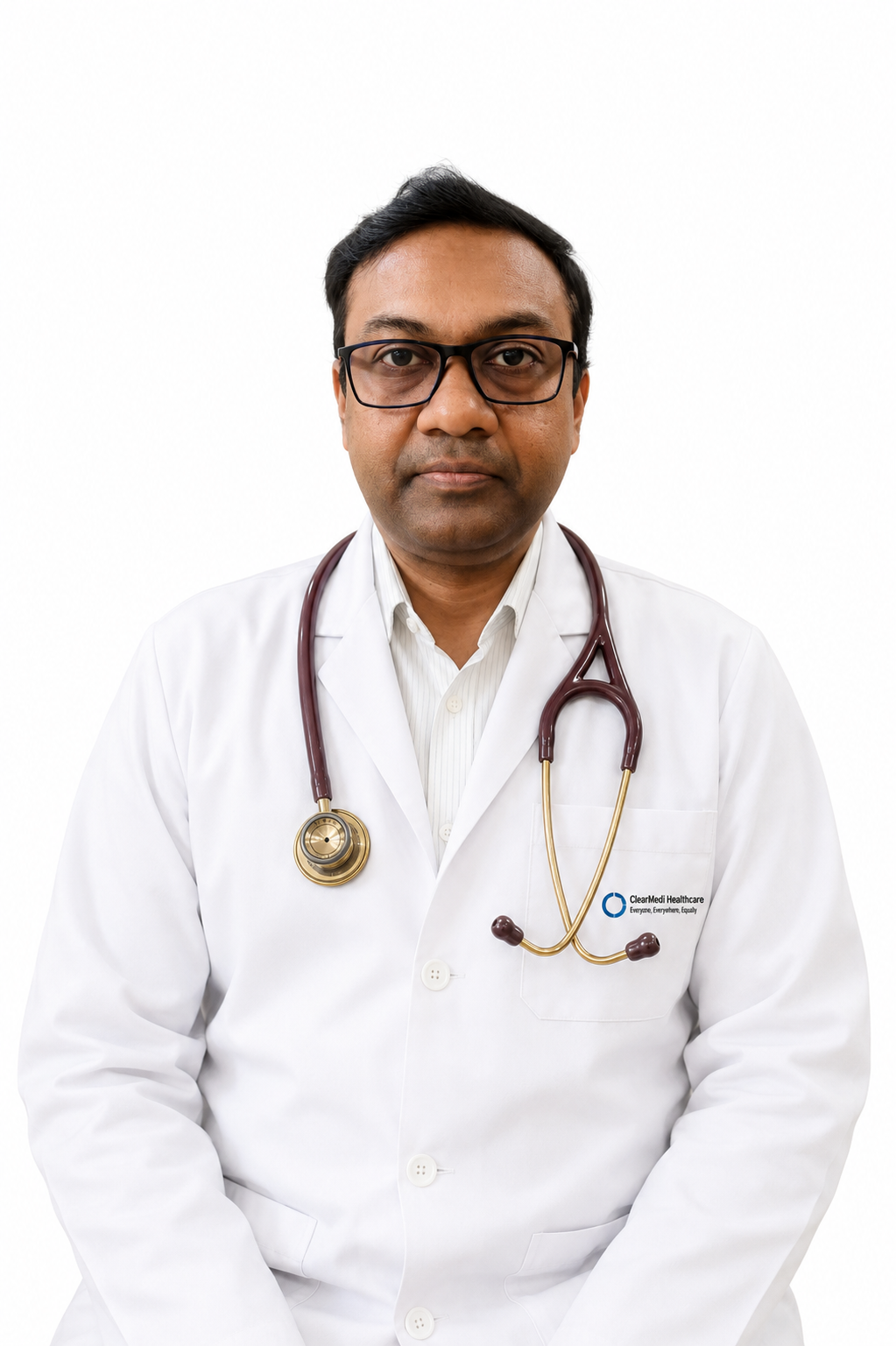
Senior Consultant – Cardiology
Experience: 18+ Years
ClearMedi Bahra Multispeciality Hospital, Kurali, NH21, Kharar, Mohali
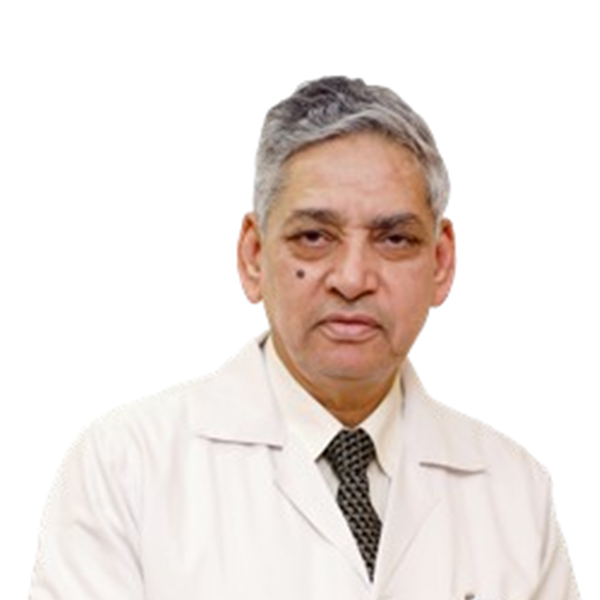
Director - Cardiology
Experience: 50+ Years
ClearMedi Bahra Multispeciality Hospital, Kurali, NH21, Kharar, Mohali
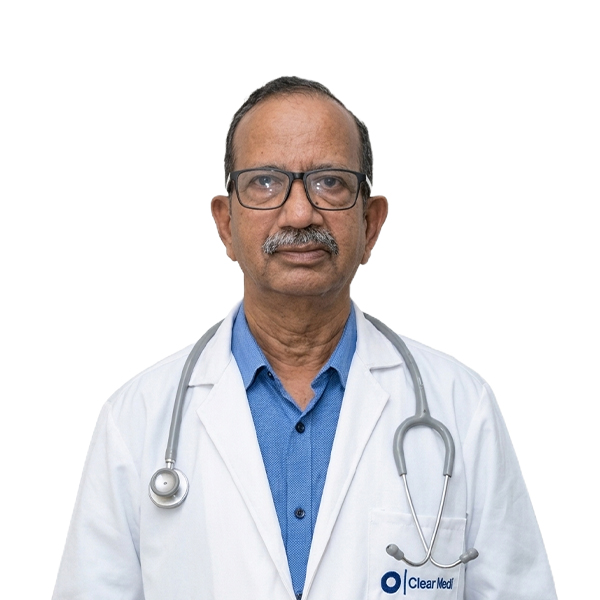
Senior Consultant - Pathology
Experience: 35+ Years
ClearMedi Paridhi Multispeciality Hospital, Kailash Vihar, Tulsi Vihar Colony, Gwalior
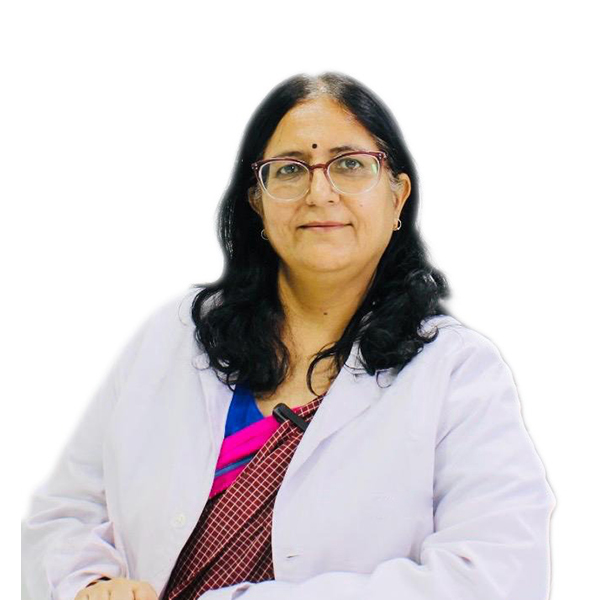
Sr. Consultant- Ophthalmology
Experience: 35+ Years
PrimaCare Clearmedi Multispeciality Hospital,Sector 104, Noida

Consultant - Orthopedics & Joint Replacement
Experience: 29+ Years
ClearMedi Paridhi Multispeciality Hospital, Kailash Vihar, Tulsi Vihar Colony, Gwalior
Senior Consultant – Cardiology
Experience: 27+ Years
PrimaCare Clearmedi Multispeciality Hospital,Sector 104, Noida
Consultant - Internal Medicine
Experience: 25+ Years
ClearMedi Radiant Hospital, Vijay Nagar 3rd Stage, Garudachar Layout, Mysuru
Head of Department - Anaesthesia
Experience: 25+ Years
ClearMedi Bahra Multispeciality Hospital, Kurali, NH21, Kharar, Mohali
The knee is involved in many everyday movements and carries a significant part of the body's load. Injury, repeated stress, inflammation, and changes within the joint can all contribute to discomfort.
Some of the problems we may assess include:
The amount of pain does not always tell us how serious the underlying condition is. A sudden injury can cause significant symptoms, while some long-term joint conditions may develop slowly. An appropriate clinical assessment helps distinguish between these possibilities.
Everyone experiences knee pain differently. Some people experience pain or stiffness with certain motions only, while others may have stiffness or soreness without even using the knee.
Possible symptoms include:
Such facts may be helpful in consultation, as the place, time, and type of the symptoms may aid in directing the examination and subsequent inquiry.
Then we listen to your symptoms and how they came to be. We may inquire whether there was an injury, what activities make the discomfort worse, if there is swelling, if the knee seems unstable, and if you have had similar difficulties in the past.
The physical examination may involve:
If the exam indicates that additional information is needed, imaging or other tests may be suggested.
An X-ray can help assess the bones and identify certain structural or degenerative changes within the knee.
An MRI provides more detailed information about soft-tissue structures such as the meniscus, cartilage, and ligaments and may be considered when these structures are suspected to be involved.
Ultrasound may be useful in selected cases for examining soft tissues or fluid around the knee. Other investigations may be advised depending on the symptoms and suspected diagnosis.
We do not recommend every test for every patient. The choice is based on the clinical findings and what information is actually needed.
There is not one-size-fits-all treatment for all knee conditions. The strategy depends on the etiology, intensity of symptoms, age, activity level, overall health, and how much the disease is affecting everyday life. Knee Pain Treatment in Mysore can be managed by conservative management, rehabilitation, medications, injections, or surgery when clinically required.
Many knee conditions can initially be managed without surgery. Depending on the diagnosis, this may include:
Physiotherapy can help when weakness, restricted movement, or reduced flexibility is contributing to the problem. Exercises should be appropriate for the particular condition rather than followed without guidance.
Some injuries or advanced joint conditions may not improve sufficiently with conservative care. If there is significant structural damage, persistent instability, or continuing functional limitation, a procedure or surgery may be considered.
The decision is based on the examination, investigation results, severity of the condition, previous treatment, and the effect on everyday activities. We discuss the available options with the patient so that the expected benefits, limitations, and recovery requirements are clear.
Reducing pain is only one part of treatment. For many patients, being able to walk comfortably, return to normal activities, improve strength, and feel confident using the knee are equally important.
Depending on the condition, recovery may include:
Returning to demanding activities too quickly may not be appropriate for every injury. A gradual progression can be planned according to the patient's condition and recovery.
It is easy to dismiss knee discomfort when it appears occasionally. However, persistent or recurring symptoms deserve attention, particularly when they begin to affect normal movement.
Consider consulting a knee doctor if:
Severe pain after an injury, an obvious change in the shape of the knee, inability to bear weight, marked swelling, or a hot and red knee with fever requires prompt medical assessment.
At ClearMedi Healthcare, we understand that knee problems can look different from one patient to another. A person with a sports-related injury may need a different treatment approach from someone dealing with gradual joint changes.
Our assessment takes into account:
This allows us to focus on the condition responsible for the symptoms rather than simply treating the pain. For patients searching for the Knee Pain Doctor in Mysore, our priority is appropriate diagnosis, clear communication, personalised treatment, and follow-up when needed.
You do not have to keep adjusting your daily routine around recurring knee discomfort. Finding out what is causing the problem can help you understand your treatment options and work towards better movement.
At ClearMedi Healthcare, Mysore, our team evaluates knee-related concerns and plans care according to the patient's symptoms, diagnosis, and individual needs.
Call +91 9599565977 to book your consultation for knee pain care in Mysore.
FAQ





I recently found myself under your care for a cancer issue. While there, accompanied by my wife, we found that the entire staff at ClearMedi Hospital was exceedingly professional and efficient, from your E.R. receptionists to the cardiac care team. Very proud of your outstanding staff and service.
Sonia Chauhan
I was recently cared for at ClearMedi Hospital following a heart attack. I just wanted to say a few words about the exceptional care I received in the ClearMedi Hospital Cardiac Care Unit and the ICU. All of the doctors and nurses were friendly, pleasant, kind, thorough, conscientious and professional. I am happy to have been in their care.
Purab Singh
I am writing on behalf of my brother who was a patient in your hospital. I would like to thank you on behalf of my entire family for the help and consideration shown to me in what was a very difficult time. Again, I would like to thank you for the services you provide to patients and their families.
Deepal Sinha© Copyright 2026, ClearMedi. All rights reserved.





 Call: 9599565977
