A diagnosis of colon cancer can bring many questions: How did it happen? What stage is it? Will surgery be needed? What happens after treatment? Getting these questions answered clearly starts with a proper evaluation.
Colon cancer develops in the tissues of the colon and may initially cause changes in bowel habits, blood in the stool, abdominal discomfort, unexplained weight loss, or fatigue. These symptoms can also occur with conditions other than cancer, so persistent changes should be evaluated rather than assumed to be cancer.
For patients looking for the colon cancer doctor in Mysore, the focus should be on accurate diagnosis, understanding the extent of disease, and developing a treatment plan around the individual patient's condition. ClearMedi Healthcare's oncology services in Mysore describe coordinated cancer care, diagnostic support, and personalised treatment planning.
Senior Consultant – Cardiology
Experience: 18+ Years
ClearMedi Bahra Multispeciality Hospital, Kurali, NH21, Kharar, Mohali
Director - Cardiology
Experience: 50+ Years
ClearMedi Bahra Multispeciality Hospital, Kurali, NH21, Kharar, Mohali
Senior Consultant - Pathology
Experience: 35+ Years
ClearMedi Paridhi Multispeciality Hospital, Kailash Vihar, Tulsi Vihar Colony, Gwalior
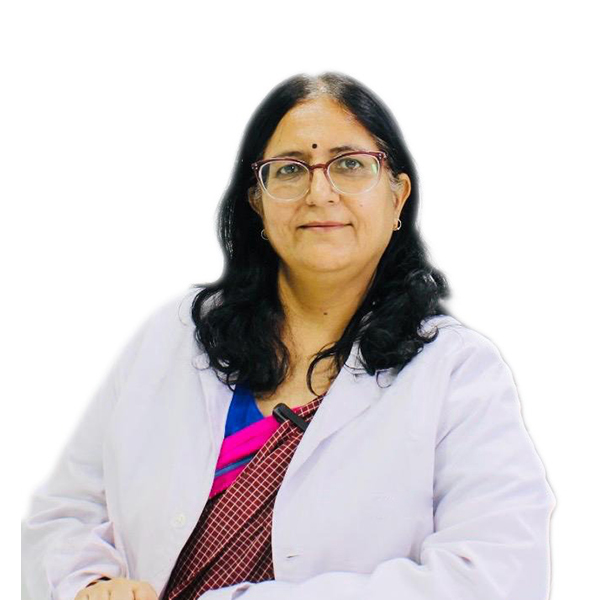
Sr. Consultant- Ophthalmology
Experience: 35+ Years
PrimaCare Clearmedi Multispeciality Hospital,Sector 104, Noida

Consultant - Orthopedics & Joint Replacement
Experience: 29+ Years
ClearMedi Paridhi Multispeciality Hospital, Kailash Vihar, Tulsi Vihar Colony, Gwalior
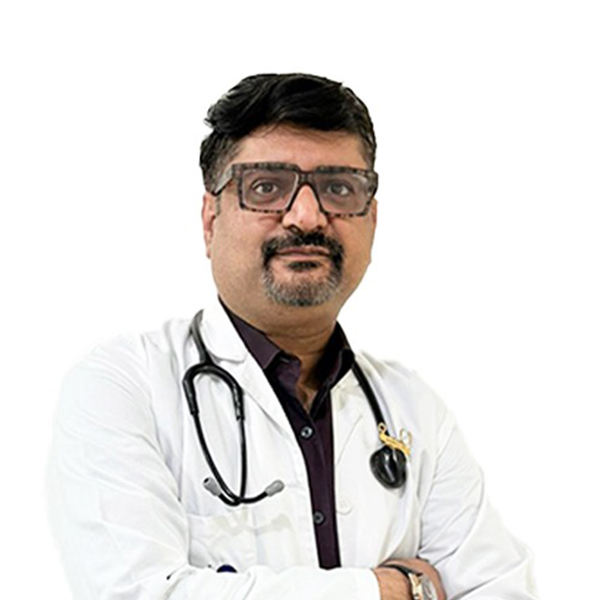
Senior Consultant – Cardiology
Experience: 27+ Years
PrimaCare Clearmedi Multispeciality Hospital,Sector 104, Noida
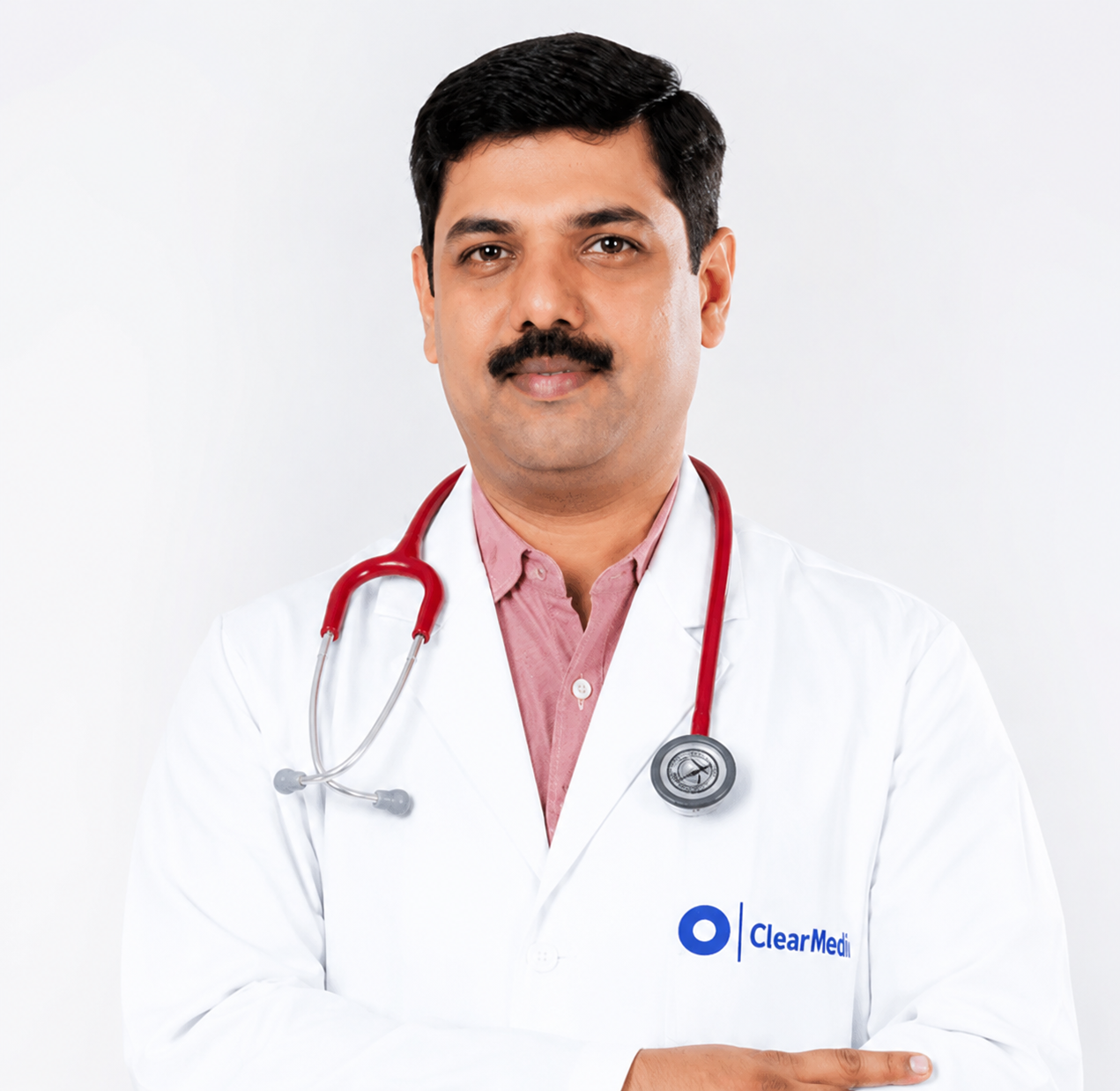
Consultant - Internal Medicine
Experience: 25+ Years
ClearMedi Radiant Hospital, Vijay Nagar 3rd Stage, Garudachar Layout, Mysuru
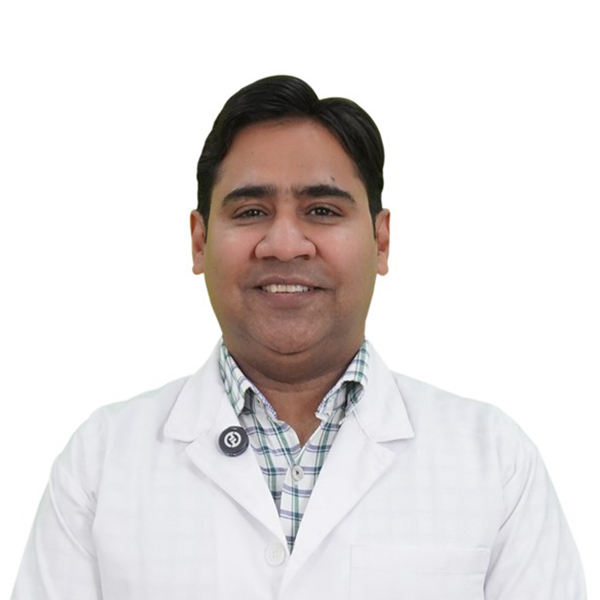
Head of Department - Anaesthesia
Experience: 25+ Years
ClearMedi Bahra Multispeciality Hospital, Kurali, NH21, Kharar, Mohali
Changes in bowel function can have many causes. However, some symptoms should not be ignored, particularly when they persist or occur together.
Possible symptoms of colon cancer include:
Not everyone with these symptoms has cancer. However, symptoms that continue for several weeks deserve medical evaluation.
The colon is part of the large intestine and is responsible for absorbing water and processing waste before it leaves the body. Colorectal cancer is a broader term that includes cancers affecting both the colon and rectum.
When colon cancer is suspected or diagnosed, doctors need to understand more than simply where the tumour is located. They also consider:
This information helps determine the stage of the cancer and guides treatment planning.
Symptoms alone cannot confirm colon cancer. Diagnosis usually involves a combination of medical history, examination, laboratory tests, imaging, and procedures.
A colonoscopy allows the doctor to examine the inside of the colon and look for polyps, abnormal areas or a tumour. If an abnormal area is found, tissue can be collected for a biopsy. The biopsy is examined under a microscope to determine whether cancer is present.
Further imaging may be required after diagnosis to determine whether the cancer has spread. Depending on the situation, staging may involve CT, MRI, PET or other investigations.
A colon cancer diagnosis is only the beginning of understanding the disease.
The diagnostic and staging process helps establish:
Colon cancer is generally described using stages from 0 through IV. Staging is important because treatment options depend on the extent of disease.
Surgery plays an important role in the treatment of many colon cancers, particularly when the disease is localised. Depending on the tumour and its location, surgery may involve removing the affected section of the colon along with surrounding tissue and nearby lymph nodes.
In selected early cases, a tumour or polyp may be removed through an endoscopic procedure. For larger or more invasive cancers, a partial colectomy or another form of bowel resection may be considered.
Whether surgery is appropriate depends on the stage, location, and characteristics of the cancer, along with the patient's overall condition.
Surgery is not the only treatment used for colon cancer. Depending on the stage and tumour characteristics, treatment may also involve systemic therapies.
These can include:
Some patients may receive medication before surgery, while others may require additional treatment after surgery. For advanced or recurrent disease, systemic treatment may form an important part of management.
The treatment plan is not identical for every patient. Doctors consider the stage of the cancer, tumour characteristics, overall health, and other clinical factors before recommending a particular approach.
Colon Cancer Treatment in Mysore involves understanding the disease first and then deciding which treatment or combination of treatments is appropriate.
Treatment may include:
Surgery may be recommended to remove the tumour and the affected portion of the colon. In selected cases, the bowel can then be reconnected. The exact surgical approach depends on the location and extent of the cancer.
Chemotherapy uses medicines to destroy cancer cells or stop them from multiplying. It may be used before or after surgery or as part of treatment for advanced disease, depending on the clinical situation.
Targeted medicines are designed to act on particular features of cancer cells. Their suitability depends on the characteristics of an individual's tumour.
For certain colon cancers, immunotherapy may be considered. Whether it is appropriate depends on specific tumour characteristics and the stage of disease.
Treatment does not necessarily end with the main procedure or course of medication. Follow-up appointments and investigations may be needed to monitor recovery, treatment response, and possible recurrence.
ClearMedi's Mysore oncology services describe personalised cancer treatment planning and coordinated care involving oncology and supporting specialties.
Recovery from colon cancer treatment can involve more than simply completing surgery or medication.
Patients may need follow-up care to assess:
Follow-up testing is an important part of cancer care because doctors may use examinations, blood tests, or imaging to monitor the patient's condition over time.
Colon cancer can develop for different reasons, and an individual may have more than one risk factor. Medical and family history can influence risk, while age and certain inherited conditions can also be relevant.
A family history of colorectal cancer or certain inherited syndromes may increase risk. Other health and lifestyle factors may also contribute.
This is one reason why personal and family medical history is an important part of evaluating someone with symptoms or a suspected diagnosis.
Persistent bowel changes should not automatically be attributed to diet, acidity, or routine digestive problems.
Consider medical evaluation when there is:
These symptoms do not necessarily mean cancer, but timely assessment can help identify their actual cause.
Cancer treatment often requires coordination between different areas of care. ClearMedi's oncology programme in Mysore describes a multidisciplinary approach involving oncology, pathology, radiology, surgery, and other healthcare professionals. It also highlights personalised treatment planning and continuing monitoring.
For patients, this approach can help bring different parts of the cancer-care process together, from diagnosis and treatment planning to follow-up.
ClearMedi Radiant Hospital is located in Kharar Mysore, Punjab, and the hospital lists +91 9599565977 as its contact number.
Being diagnosed with colon cancer can feel overwhelming, but the next step becomes clearer when the diagnosis, stage, and available treatment options are properly understood.
If you are experiencing persistent bowel changes, blood in the stool, unexplained weight loss, or have already received a colon cancer diagnosis, timely specialist evaluation can help you understand what comes next.
For patients seeking the Colon Cancer Doctor in Mysore, ClearMedi Healthcare provides oncology and multidisciplinary cancer-care services in Mysore, with treatment planning based on the patient's diagnosis and clinical needs.
To discuss your condition or book an appointment with ClearMedi Healthcare, Mysore, call +91 9599565977.
FAQ







I recently found myself under your care for a cancer issue. While there, accompanied by my wife, we found that the entire staff at ClearMedi Hospital was exceedingly professional and efficient, from your E.R. receptionists to the cardiac care team. Very proud of your outstanding staff and service.
Sonia Chauhan
I was recently cared for at ClearMedi Hospital following a heart attack. I just wanted to say a few words about the exceptional care I received in the ClearMedi Hospital Cardiac Care Unit and the ICU. All of the doctors and nurses were friendly, pleasant, kind, thorough, conscientious and professional. I am happy to have been in their care.
Purab Singh
I am writing on behalf of my brother who was a patient in your hospital. I would like to thank you on behalf of my entire family for the help and consideration shown to me in what was a very difficult time. Again, I would like to thank you for the services you provide to patients and their families.
Deepal Sinha© Copyright 2026, ClearMedi. All rights reserved.





 Call: 9599565977