Experiencing an irregular heartbeat, particularly when it occurs suddenly, can be quite unnerving. Alterations to the heart's rhythm can be harmless and short-lived, but they can sometimes be serious enough to warrant further investigation and treatment. An irregular, too-fast, or too-slow heartbeat is known as arrhythmia. Determining the cause of the rhythm change and whether it is affecting the heart's normal function is the first and most important step. A thorough cardiac evaluation, not just a feeling of the heartbeat, should be the first step for patients seeking the arrhythmia doctor in Mysore. Depending on the patient's symptoms and clinical needs, ClearMedi Healthcare offers cardiac evaluations accompanied by electrocardiogram (ECG), echocardiogram (ECHO), treadmill testing (TT), and Holter monitoring (HM).
Senior Consultant – Cardiology
Experience: 18+ Years
ClearMedi Bahra Multispeciality Hospital, Kurali, NH21, Kharar, Mohali
Director - Cardiology
Experience: 50+ Years
ClearMedi Bahra Multispeciality Hospital, Kurali, NH21, Kharar, Mohali
Senior Consultant - Pathology
Experience: 35+ Years
ClearMedi Paridhi Multispeciality Hospital, Kailash Vihar, Tulsi Vihar Colony, Gwalior
Sr. Consultant- Ophthalmology
Experience: 35+ Years
PrimaCare Clearmedi Multispeciality Hospital,Sector 104, Noida

Consultant - Orthopedics & Joint Replacement
Experience: 29+ Years
ClearMedi Paridhi Multispeciality Hospital, Kailash Vihar, Tulsi Vihar Colony, Gwalior
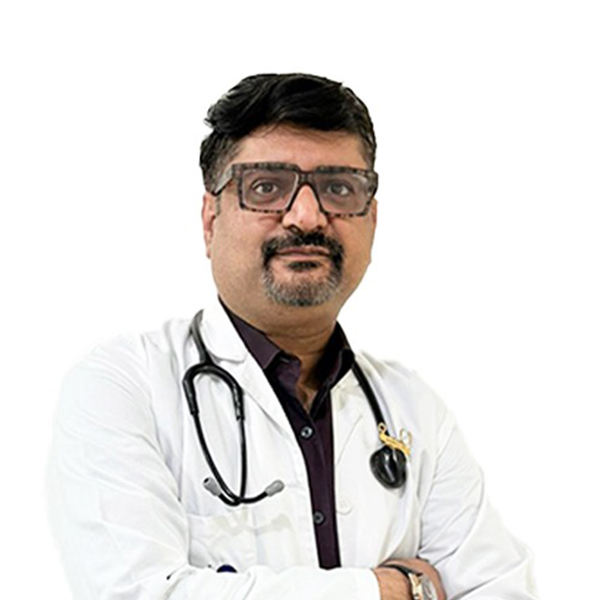
Senior Consultant – Cardiology
Experience: 27+ Years
PrimaCare Clearmedi Multispeciality Hospital,Sector 104, Noida
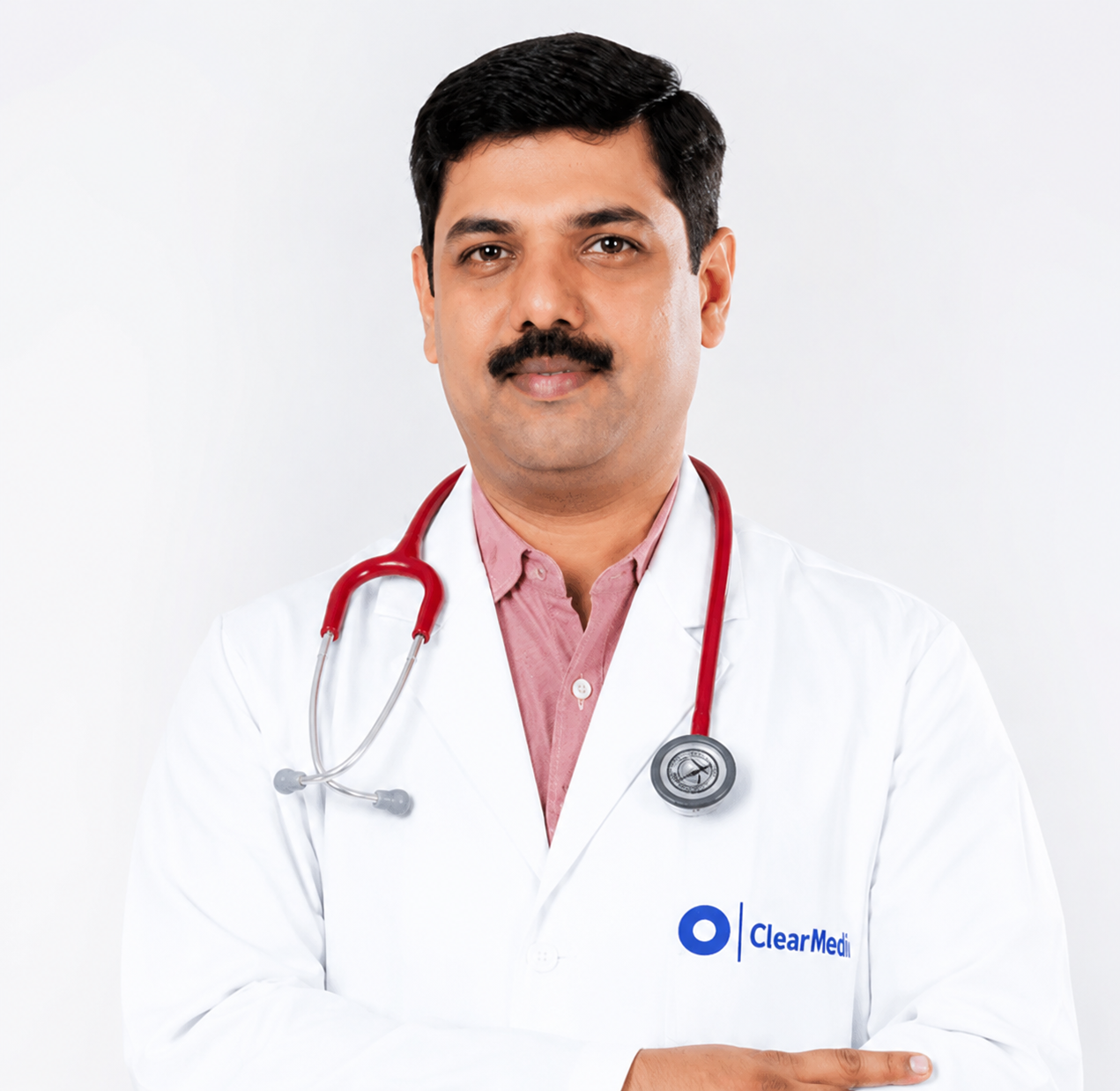
Consultant - Internal Medicine
Experience: 25+ Years
ClearMedi Radiant Hospital, Vijay Nagar 3rd Stage, Garudachar Layout, Mysuru
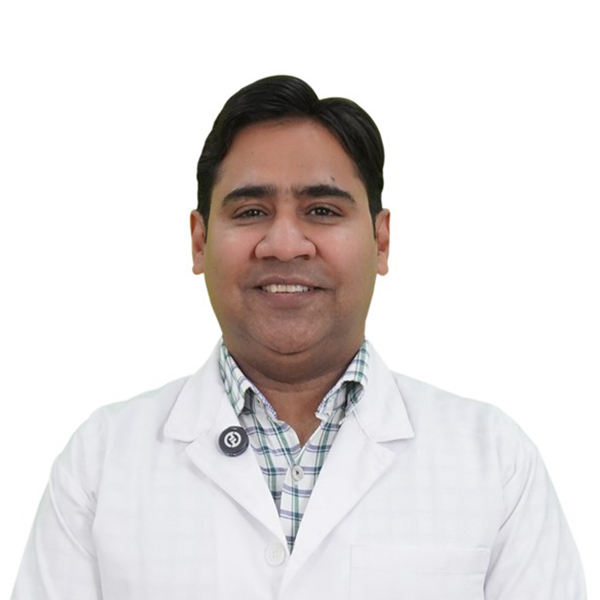
Head of Department - Anaesthesia
Experience: 25+ Years
ClearMedi Bahra Multispeciality Hospital, Kurali, NH21, Kharar, Mohali
When the heart's electrical signals that regulate its rhythm deviate from their usual pattern, a condition known as arrhythmia develops. An abnormal cardiac rhythm, unusually rapid or sluggish heartbeats, or both are possible symptoms.
While some may experience a noticeable shift, others may go undiagnosed for some time.
It would be premature to diagnose these symptoms as an arrhythmia because they can have other plausible explanations. To find out what's going on, it's to do cardiac tests correctly.
An irregular cardiac rhythm might have multiple underlying causes. This syndrome can be linked to preexisting heart conditions, specific medical issues, variables related to lifestyle choices, or disruptions in the body's natural equilibrium.
Long-term management of problems like arrhythmia, hypertension, heart failure, and coronary artery disease is part of ClearMedi's cardiology services in Mysore.
On their own, a person's symptoms might not be able to diagnose the specific rhythm issue. It is important to capture the heartbeat at the correct time since an irregular rhythm can come and go.
One possible component of a cardiology examination is
By monitoring the heart's electrical activity, a 12-lead electrocardiogram (ECG) can detect irregular cardiac rhythms.
Continuous recording of cardiac activity, typically for 24 to 48 hours, is possible using a Holter monitor. It can be useful for catching rhythm alterations that a brief ECG might miss.
By utilizing ultrasonography, an echocardiogram can evaluate the anatomy and function of the heart. When evaluating a patient for cardiac issues, it can help clarify irregular rhythms.
To better understand the heart's response to physical effort, a treadmill stress test may be suggested in some instances. The clinical evaluation and symptoms of the patient will determine which tests are necessary.
The nature, severity, frequency, origin, and impact of an arrhythmia on the heart dictate its treatment. The treatment for rhythm abnormalities varies.
Not content to only alleviate symptoms of an irregular or rapid heartbeat, treatment should center on the underlying rhythm problem as revealed by the assessment.
Palpitations every once in a while aren't always a sign of anything major, but you should see a doctor if they happen frequently or for no apparent reason.
You might want to think about getting a heart assessment if you encounter:
Seek immediate medical assistance if you experience any serious symptoms such as sudden, severe chest discomfort, considerable trouble breathing, fainting, or other similar issues.
Multiple tests and consultations are typically necessary for arrhythmia management. Finding the rhythm, ruling out potential causes, and monitoring therapy progress are all important steps.
ClearMedi Healthcare offers cardiology services in Mysore, including diagnostic tools such as 12-lead electrocardiograms, 2-dimensional echocardiography, treadmill stress testing, and Holter monitoring. Treatment for irregular heartbeats and other cardiac issues is also available at this facility.
This paves the way for patients to receive cardiac evaluations, diagnoses, treatments, and follow-ups all inside the same integrated environment.
Do not disregard a persistent irregular heartbeat or any other symptoms that may be present. The presence or absence of an arrhythmia, other cardiac conditions, or non-cardiac causes can be determined with a thorough evaluation.
Depending on the patient's situation, ClearMedi Healthcare offers cardiac consultation, diagnostic testing, and continuing management if you are looking for the arrhythmia doctor in Mysore.
Dial +91 9599565977 to reach ClearMedi Healthcare in Mysore.
FAQ


I recently found myself under your care for a cancer issue. While there, accompanied by my wife, we found that the entire staff at ClearMedi Hospital was exceedingly professional and efficient, from your E.R. receptionists to the cardiac care team. Very proud of your outstanding staff and service.
Sonia Chauhan
I was recently cared for at ClearMedi Hospital following a heart attack. I just wanted to say a few words about the exceptional care I received in the ClearMedi Hospital Cardiac Care Unit and the ICU. All of the doctors and nurses were friendly, pleasant, kind, thorough, conscientious and professional. I am happy to have been in their care.
Purab Singh
I am writing on behalf of my brother who was a patient in your hospital. I would like to thank you on behalf of my entire family for the help and consideration shown to me in what was a very difficult time. Again, I would like to thank you for the services you provide to patients and their families.
Deepal Sinha© Copyright 2026, ClearMedi. All rights reserved.





 Call: 9599565977

