Pain in a joint can start after an injury, develop gradually with age, or appear without an obvious reason. Sometimes it settles after a short period, while persistent discomfort can make simple activities such as climbing stairs, standing, walking, or gripping objects difficult.
The important point is that joint pain is a symptom rather than a diagnosis. Arthritis, injuries, overuse, inflammation, gout, tendon problems, and several other conditions can cause similar complaints.
At ClearMedi Healthcare, we look at the pattern of your symptoms rather than treating pain as an isolated problem. If you are searching for the Joint Pain Doctor in Mysore, our consultation focuses on understanding what is affecting the joint and selecting treatment according to the underlying condition.

Senior Consultant – Cardiology
Experience: 18+ Years
ClearMedi Bahra Multispeciality Hospital, Kurali, NH21, Kharar, Mohali
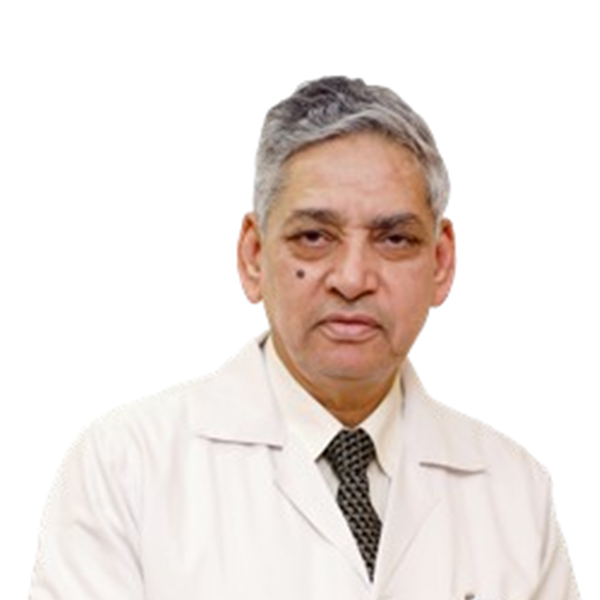
Director - Cardiology
Experience: 50+ Years
ClearMedi Bahra Multispeciality Hospital, Kurali, NH21, Kharar, Mohali

Senior Consultant - Pathology
Experience: 35+ Years
ClearMedi Paridhi Multispeciality Hospital, Kailash Vihar, Tulsi Vihar Colony, Gwalior

Sr. Consultant- Ophthalmology
Experience: 35+ Years
PrimaCare Clearmedi Multispeciality Hospital,Sector 104, Noida

Consultant - Orthopedics & Joint Replacement
Experience: 29+ Years
ClearMedi Paridhi Multispeciality Hospital, Kailash Vihar, Tulsi Vihar Colony, Gwalior

Senior Consultant – Cardiology
Experience: 27+ Years
PrimaCare Clearmedi Multispeciality Hospital,Sector 104, Noida

Consultant - Internal Medicine
Experience: 25+ Years
ClearMedi Radiant Hospital, Vijay Nagar 3rd Stage, Garudachar Layout, Mysuru

Head of Department - Anaesthesia
Experience: 25+ Years
ClearMedi Bahra Multispeciality Hospital, Kurali, NH21, Kharar, Mohali
A little soreness after unusual physical activity may improve with rest. However, recurring pain or changes in how a joint moves deserve proper attention.
Consider consulting a joint pain doctor if you notice:
Persistent or severe unexplained pain and swelling, particularly when associated with fever or other concerning symptoms, should be medically assessed.
There is no single explanation for painful joints. The location of the discomfort, how quickly it appeared, and what makes it better or worse can all provide useful clues.
Osteoarthritis can cause pain, stiffness, tenderness, and difficulty moving a joint. It commonly affects areas such as the knees, hips, and hands, although other joints can also be involved.
Other forms of arthritis may involve inflammation and can produce swelling, warmth, and prolonged stiffness.
A fall, sports injury, accident, sprain, strain, fracture, or damage to a ligament or tendon can result in pain and restricted movement.
Repeating the same movement or putting excessive stress on a joint and its surrounding tissues can contribute to conditions such as bursitis, tendinitis, strains, and other overuse problems.
Conditions such as rheumatoid arthritis, gout, and other inflammatory disorders can also produce painful or swollen joints. The treatment for these conditions is different from treatment for ordinary wear-and-tear problems, which is why identifying the cause matters.
How it feels depends on which joint is involved and what ailment is causing the pain.
You may notice:
For example, osteoarthritis may induce pain and stiffness that worsens with activity. Inflammatory joint diseases may have a distinct pattern.
A useful diagnosis begins with the account of the discomfort. When consulting with you, we may ask you about when your symptoms began, whether you had an injury, if the pain is in one or more joints and how your symptoms change with activity or rest.
We will do a physical assessment to check for:
According to the results of the examination, further investigations are selected. These may involve X-ray, MRI, ultrasound, blood tests or in some circumstances, investigation of joint fluid.
You don’t have to test everyone with joint discomfort. “Investigations should answer a clinical question rather than just generate more reports.”
There is no universal treatment for joint pain. The right approach depends on what is causing the symptoms, how severe they are, which joint is affected, and your overall health.
Depending on the diagnosis, medicines may be recommended to reduce pain or inflammation or to treat an underlying condition. The choice of medicine should take your medical history and other medicines into account.
For many musculoskeletal problems, guided physiotherapy can help restore movement, build supporting muscle strength, and improve everyday function. Exercise is also an important part of maintaining healthy joint function in many conditions.
Your treatment plan may include changes to activity levels, exercise routines, body weight, or movements that place unnecessary stress on the affected joint. The goal is to support recovery without completely avoiding movement when movement is medically appropriate.
In selected cases, an injection may form part of treatment. Whether this is appropriate depends entirely on the diagnosis and the joint involved. Corticosteroid injections, for example, may be used in some joint conditions.
Temporary activity modification, rest after certain injuries, braces, or other supportive measures may sometimes be recommended as part of recovery.
Surgery is not necessary for every person with joint pain. It may be considered when there is significant structural damage, a particular injury requires surgical correction, or other suitable treatment has not addressed the underlying problem.
At ClearMedi, treatment is planned around the diagnosis rather than assuming that every patient needs the same intervention.
Persistent joint problems can be frustrating, particularly when the source of the pain is unclear. We focus on connecting your symptoms with the examination and investigation findings before discussing treatment.
At ClearMedi Healthcare, our approach may include:
For someone looking for the Joint Pain Doctor in Mysore, the priority should be understanding the reason for the pain and receiving care appropriate to that diagnosis.
You do not need to treat every minor ache as an emergency. However, delaying an evaluation for persistent or worsening symptoms can make it harder to understand what is causing the problem.
Seek medical attention when:
A joint that is suddenly dislocated or an injury associated with substantial pain, swelling, numbness, or inability to bear weight needs prompt assessment.
Persistent joint pain can make even routine movements uncomfortable. Getting the cause assessed early can help you understand the problem and choose the right treatment approach. For a consultation with a joint pain doctor at ClearMedi Healthcare, Mysore, call us today. Call +91 9599565977 to book your appointment.

FAQ







I recently found myself under your care for a cancer issue. While there, accompanied by my wife, we found that the entire staff at ClearMedi Hospital was exceedingly professional and efficient, from your E.R. receptionists to the cardiac care team. Very proud of your outstanding staff and service.
Sonia Chauhan
I was recently cared for at ClearMedi Hospital following a heart attack. I just wanted to say a few words about the exceptional care I received in the ClearMedi Hospital Cardiac Care Unit and the ICU. All of the doctors and nurses were friendly, pleasant, kind, thorough, conscientious and professional. I am happy to have been in their care.
Purab Singh
I am writing on behalf of my brother who was a patient in your hospital. I would like to thank you on behalf of my entire family for the help and consideration shown to me in what was a very difficult time. Again, I would like to thank you for the services you provide to patients and their families.
Deepal Sinha© Copyright 2026, ClearMedi. All rights reserved.





 Call: 9599565977
