
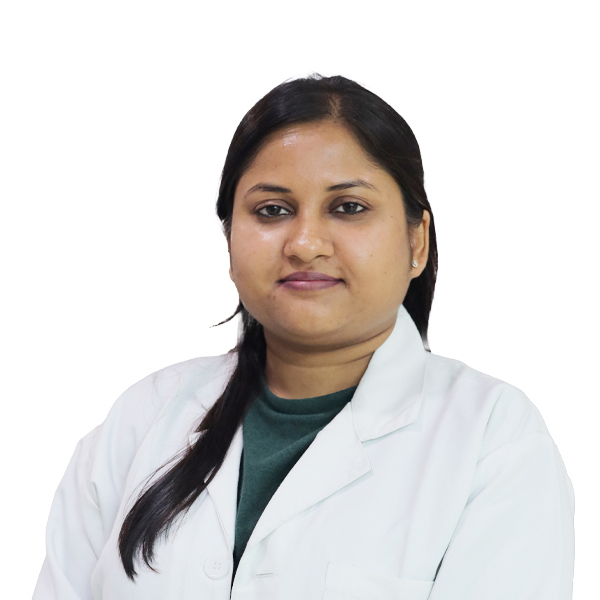
Consultant – ENT & Head and Neck Surgery
Experience: 10+ Years
PrimaCare Clearmedi Multispeciality Hospital,Sector 104, Noida
Finding a thyroid nodule or receiving an abnormal thyroid test result can understandably raise concerns about cancer. The good news is that many thyroid cancers are treatable, particularly when identified before they spread. At ClearMedi Healthcare, Sector 104, Noida, patients can access specialist evaluation, diagnostic testing, and personalised cancer treatment based on the type and extent of disease. Understanding thyroid cancer classification, symptoms, staging, and available therapies can help patients make informed decisions. Treatment may include surgery, radioactive iodine, thyroid hormone therapy, radiation, targeted medicines, or active surveillance, depending on individual circumstances.
Thyroid cancer develops when abnormal cells in the thyroid gland begin multiplying uncontrollably. The thyroid is a butterfly-shaped gland in the front of the neck that produces hormones involved in metabolism, heart rate, temperature regulation, and energy use.
The disease includes several types, with papillary and follicular cancers being the most common. Medullary and anaplastic thyroid cancers are less common but may behave differently and require specialised management. Doctors assess the tumour type, size, location, lymph-node involvement, distant spread, and other clinical factors before recommending treatment.
Understanding thyroid cancer classification is therefore important because the diagnosis and treatment approach can differ considerably between tumour types.
The major types include:
The classification of thyroid tumors also involves distinguishing malignant tumours from benign thyroid growths. A thyroid biopsy may sometimes report a follicular neoplasm of thyroid, which does not always establish cancer by itself because follicular carcinoma is confirmed by examining features such as invasion.
The exact cause of thyroid cancer is not always identifiable. Factors that may increase risk include:
Having a thyroid nodule does not automatically mean that a person has cancer. Most thyroid nodules are benign, but suspicious or changing nodules should be appropriately evaluated.
Some thyroid cancer symptoms in females and males can include:
Some thyroid cancers cause no noticeable symptoms and may be detected during an examination or imaging test performed for another reason.
Consider consulting a thyroid cancer specialist in Noida if you notice a persistent neck lump, an enlarging thyroid nodule, unexplained voice changes, difficulty swallowing or breathing, or enlarged lymph nodes.
Specialist evaluation is also appropriate when an ultrasound identifies suspicious thyroid features, a biopsy produces an abnormal result, or there is a personal or family history of thyroid cancer. People with significant breathing or swallowing difficulty should seek prompt medical attention.
Diagnosis usually begins with a clinical examination and review of the patient's medical and family history. Depending on the findings, doctors may recommend:
A biopsy does not always provide a definitive answer for follicular-patterned lesions, which is why the overall clinical and pathological assessment is important.
Thyroid ca staging helps doctors understand how far the cancer has developed and whether it has spread. Staging considers factors such as tumour characteristics, lymph-node involvement, distant metastasis, and the patient's age and other clinical findings.
Treatment is selected according to the cancer type, stage, risk level, tumour size, and overall health. Options may include:
For patients researching thyroid cancer surgery in Noida, the appropriate surgical approach depends on the tumour's size, location, type, and extent.
Can thyroid cancer be cured? In many cases, particularly for differentiated thyroid cancers detected at an early stage, treatment can achieve excellent long-term disease control and may be curative. However, outcomes vary according to the cancer type, stage, spread, tumour biology, and response to treatment.
The thyroid cancer survival rate therefore cannot be represented by one number for every patient. Regular follow-up remains important even after successful initial treatment because some cancers can recur.
If left untreated, thyroid cancer may grow locally, affect lymph nodes, or spread to organs such as the lungs and bones. Advanced tumors might also affect swallowing, respiration, or voice. Some therapeutic complications may be changes in thyroid hormone levels, low calcium levels following specific procedures, or voice changes due to nerve injury. These are the risks, which are reduced and managed by proper surgical and medical follow-up. There is no sure way to prevent thyroid cancer. Early detection can be facilitated by avoiding needless radiation exposure, discussing significant family history with a physician, and evaluating persistent or worrisome thyroid nodules.
ClearMedi Healthcare is a multi-specialty facility located in Sector 104, Noida, which provides patients with professional examination, diagnostic evaluation, treatment planning, and follow-up care. A thyroid cancer hospital in Noida can offer patients integrated care from the relevant oncology, surgical, diagnostic, and supportive-care departments.
Treatment strategies will vary depending on the patient’s tumor type, stage, health status, and specific needs. Modern diagnostic and therapeutic procedures may be indicated where clinically appropriate, with follow-up planned according to the patient's response and risk of recurrence of the patient.
If you are a patient looking for the hospital for thyroid cancer treatment in Noida or comparing hospitals, instead of looking at the rankings alone, look at the specialized expertise, diagnostic skills, treatment coordination, and continuity of care.
The treatment journey generally involves:
If you have a thyroid nodule, abnormal biopsy, persistent neck swelling, or a thyroid cancer diagnosis, timely specialist evaluation can help determine the appropriate next step. At ClearMedi Healthcare, Sector 104, Noida, patients can discuss diagnosis and treatment options with the appropriate specialist team. To explore thyroid cancer treatment in Noida, book an appointment by calling +91 9599565977.
Book Appointment | Call Now | WhatsApp
FAQ




I recently found myself under your care for a cancer issue. While there, accompanied by my wife, we found that the entire staff at ClearMedi Hospital was exceedingly professional and efficient, from your E.R. receptionists to the cardiac care team. Very proud of your outstanding staff and service.
Sonia Chauhan
I was recently cared for at ClearMedi Hospital following a heart attack. I just wanted to say a few words about the exceptional care I received in the ClearMedi Hospital Cardiac Care Unit and the ICU. All of the doctors and nurses were friendly, pleasant, kind, thorough, conscientious and professional. I am happy to have been in their care.
Purab Singh
I am writing on behalf of my brother who was a patient in your hospital. I would like to thank you on behalf of my entire family for the help and consideration shown to me in what was a very difficult time. Again, I would like to thank you for the services you provide to patients and their families.
Deepal Sinha© Copyright 2026, ClearMedi. All rights reserved.





 Call: 9599565977
