
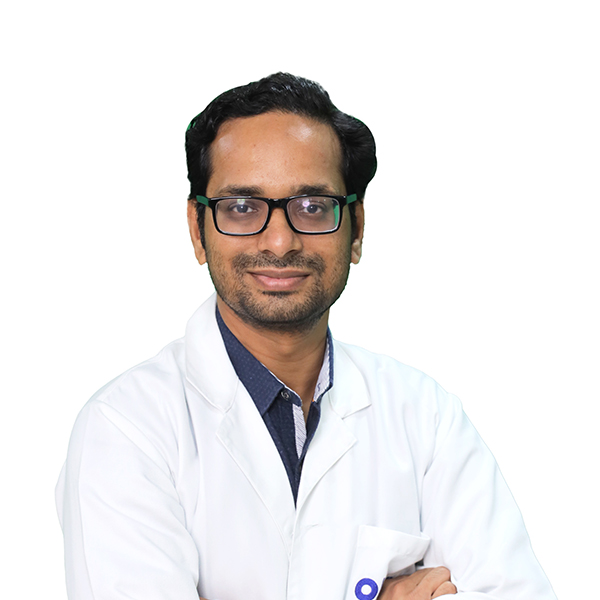
Consultant - Department of Gastrointestinal & Surgical Oncology
Experience: 12+ Years
PrimaCare Clearmedi Multispeciality Hospital,Sector 104, Noida
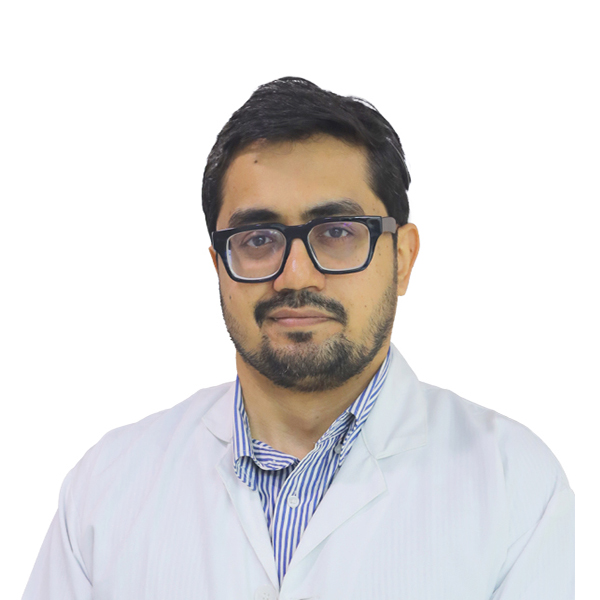
Consultant – Surgical Oncology & Minimal Access Surgery
Experience: 11+ Years
PrimaCare Clearmedi Multispeciality Hospital,Sector 104, Noida
Liver cancer develops when abnormal cells grow uncontrollably in the liver and can affect its normal functions. Early evaluation is particularly important because treatment choices depend on the tumour type, stage, liver function, and overall health. People with chronic liver disease may require regular monitoring, while symptoms such as unexplained weight loss, persistent upper abdominal discomfort, jaundice, or loss of appetite should not be ignored. Patients seeking liver cancer treatment in Noida can benefit from specialist assessment, appropriate imaging, laboratory investigations, and a personalised treatment plan. ClearMedi Healthcare, Noida, provides multidisciplinary care for patients with liver tumours and related conditions.
Liver cancer is a malignant growth that begins in the liver. Primary liver cancers originate in liver tissue, while secondary liver cancer occurs when cancer from another part of the body spreads to the liver.
The most common primary form in adults is hepatocellular carcinoma (HCC), also known as hepatoma. Other primary tumours include intrahepatic cholangiocarcinoma and several uncommon types.
The liver performs essential functions such as processing nutrients, producing proteins, storing energy, and helping remove waste products from the blood. As a tumour grows, it may interfere with these functions or spread to nearby tissues and other organs.
Major types include:
Several conditions can increase the risk of developing liver cancer. Important liver cancer causes and risk factors include:
Not everyone with these risk factors develops cancer, and liver cancer can occasionally occur without an obvious underlying cause.
Early disease may cause few or no noticeable symptoms. As the condition progresses, possible signs include:
If you are searching for what is the first sign of liver cancer is, there is no single symptom that appears first in every patient. Unexplained weight loss, reduced appetite, upper abdominal discomfort, or jaundice can occur, but these symptoms also have many other causes.
Doctors assess the extent of disease before recommending treatment. The liver cancer stages help describe how advanced the cancer is and whether it has spread.
Staging considers factors such as tumour size and number, involvement of blood vessels or nearby structures, spread to lymph nodes or distant organs, and how well the liver is functioning.
Some staging systems describe early, intermediate, advanced, and very advanced disease, while treatment planning for HCC may also consider liver function and the patient's overall physical condition. This means two patients with similarly sized tumours may receive different treatment recommendations.
You should consider seeing a liver cancer doctor in Noida if you develop persistent abdominal pain, unexplained weight loss, jaundice, abdominal swelling, or other concerning changes.
Specialist assessment is especially important for people with hepatitis B or C, cirrhosis, or other chronic liver conditions who develop new symptoms or abnormal test results. A suspicious lesion found during an ultrasound or other scan should also be evaluated promptly.
The diagnosis involves a clinical evaluation, blood testing, imaging studies, and occasionally a tissue biopsy. The doctor may look at your medical history and inspect your abdomen before suggesting any investigations. Liver function tests, full blood counts, coagulation studies, and tumor marker tests such as alpha-fetoprotein (AFP) can provide significant information. A blood cancer report is not useful in identifying liver cancer. Liver-related lab tests are interpreted based on the symptoms and clinical findings of the patient. Likewise, a regular blood test does not identify liver cancer by itself.
Imaging may include:
A biopsy may be recommended when imaging does not provide a definite diagnosis or when tissue confirmation is needed. Further tests may then establish the tumour type and extent of disease.
The choice of liver cancer treatment depends on tumour characteristics, liver function, cancer stage, and the patient's overall health.
If the disease is localized and there is enough healthy liver left, liver cancer surgery in Noida may also involve removing the part of the liver that contains the tumor. Liver transplantation is a possible treatment for selected patients fulfilling defined criteria.
Some smaller tumors may be destroyed with local treatments such as radiofrequency ablation or microwave ablation, which destroy cancer cells without surgery to remove the entire tumor.
Transarterial chemoembolisation (TACE) and transarterial radioembolisation (TARE) are treatments given through blood arteries supplying the tumor. These techniques may be attempted in certain patients, especially when surgery is not feasible.
Targeted drugs work by targeting specific pathways involved in the progression of cancer. Immunotherapy assists the immune system to recognize and destroy cancer cells. These systemic medications are usually given to specific patients with advanced or unresectable illness.
Radiation treatments, including stereotactic body radiation therapy in suitable circumstances, may be employed for specific tumors. Supportive and palliative care can be provided at any stage of the disease to help manage pain, nutritional issues, symptoms, and consequences of medication.
Advanced liver cancer may lead to complications such as:
The likelihood of complications depends on the tumour and the underlying condition of the liver.
When people are looking for a liver cancer hospital in Noida, some of the crucial things to consider are access to competent specialists, precise imaging, planned and coordinated therapy, and proper follow-up.
ClearMedi Healthcare is a multi-specialty hospital with cancer, diagnostics, surgical competence, and supportive care. Depending on the type of tumor, the stage, liver function, and unique patient needs, a treatment strategy can be established. Specialists from other medical and surgical fields may also provide care, if needed.
While searching for the hospital for liver cancer treatment in Noida, patients should look at the specialist skills, diagnostic capabilities, treatment options, infrastructure, and continuity of care offered by the hospital rather than relying on a single ranking or claim.
The treatment journey generally involves:
If you have persistent symptoms, abnormal liver tests, a suspicious liver lesion, or a history of chronic liver disease, timely specialist evaluation can help determine the cause and appropriate next steps. ClearMedi Healthcare, Noida, in Sector 104, offers personalised assessment and multidisciplinary care for patients seeking liver cancer treatment in Noida. To discuss your condition and arrange an appointment, call +91 9599565977 and speak with the care team about the appropriate evaluation and treatment pathway.
Book Appointment | Call Now | WhatsApp
FAQ




I recently found myself under your care for a cancer issue. While there, accompanied by my wife, we found that the entire staff at ClearMedi Hospital was exceedingly professional and efficient, from your E.R. receptionists to the cardiac care team. Very proud of your outstanding staff and service.
Sonia Chauhan
I was recently cared for at ClearMedi Hospital following a heart attack. I just wanted to say a few words about the exceptional care I received in the ClearMedi Hospital Cardiac Care Unit and the ICU. All of the doctors and nurses were friendly, pleasant, kind, thorough, conscientious and professional. I am happy to have been in their care.
Purab Singh
I am writing on behalf of my brother who was a patient in your hospital. I would like to thank you on behalf of my entire family for the help and consideration shown to me in what was a very difficult time. Again, I would like to thank you for the services you provide to patients and their families.
Deepal Sinha© Copyright 2026, ClearMedi. All rights reserved.





 Call: 9599565977
