Emergency
Contact for
Emergency

Write to CEO

Angina Treatment in Noida, India

To Book An Appointment ☎ Call Us +91 9599565977

Meet Our Expert Medical Team

OR

Get in Touch for Expert Medical
Assistance Anytime

Angina Treatment In Noida

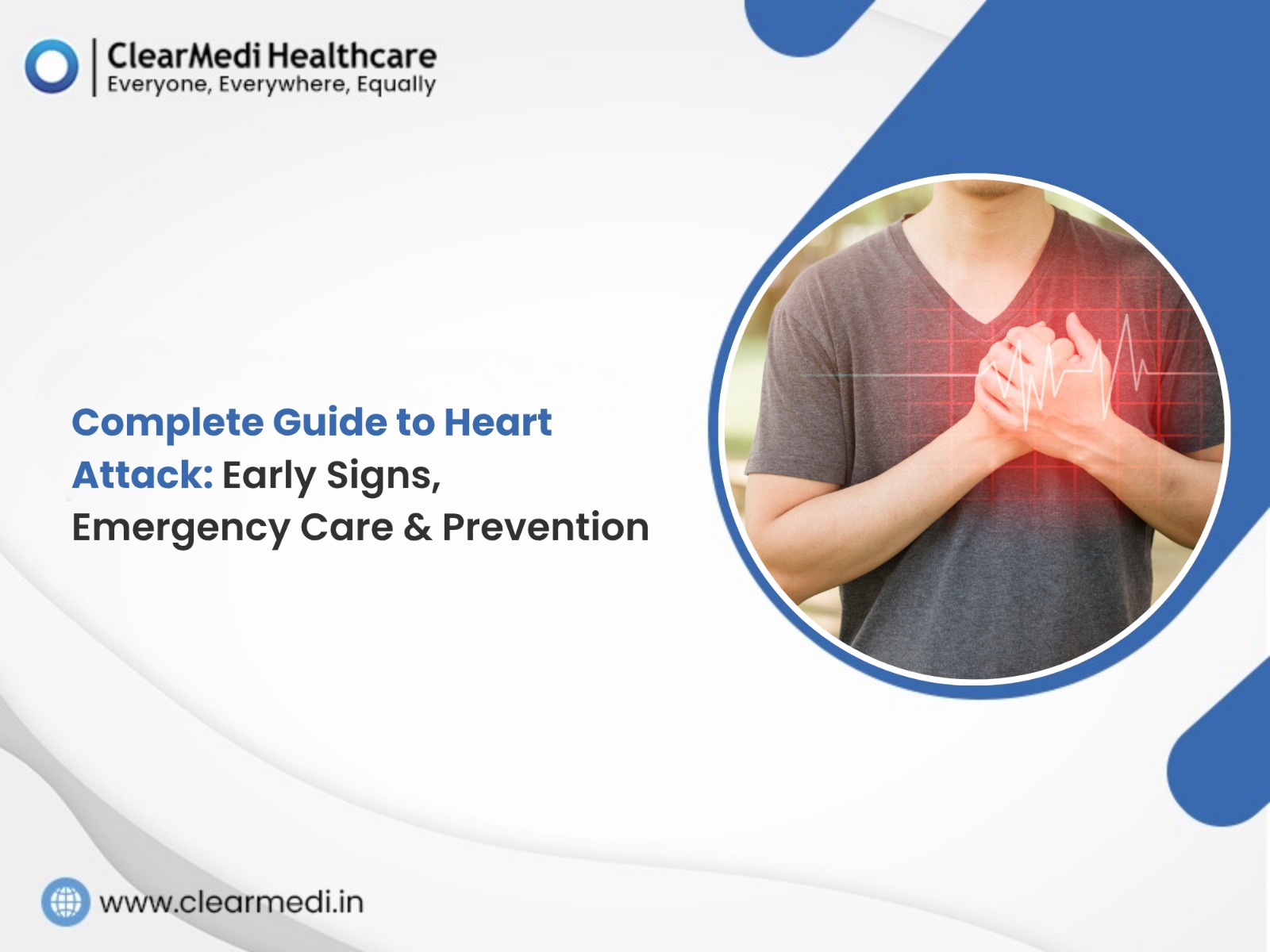
Angina is chest discomfort that occurs when the heart muscle does not receive enough oxygen-rich blood. It may feel like pressure, squeezing, burning, or heaviness in chest, and the discomfort can sometimes extend to the arms, shoulders, neck, jaw, back, or upper abdomen. Because these symptoms can resemble indigestion or other conditions, timely medical evaluation is important. Angina treatment in Noida focuses on identifying the underlying cause, controlling symptoms, reducing cardiovascular risk, and preventing complications. A cardiologist can determine whether the symptoms are related to coronary artery disease or another heart condition.

What Is Angina?

Angina is a symptom rather than a disease itself. It commonly develops when the coronary arteries cannot deliver enough blood and oxygen to the heart muscle, often because of narrowing caused by atherosclerosis. It may occur during physical activity, emotional stress, exposure to cold, or other situations that increase the heart's demand for oxygen.

The pathophysiology of angina pectoris involves an imbalance between the heart's oxygen requirement and the oxygen supplied through the coronary circulation. When the demand becomes greater than the available supply, temporary myocardial ischaemia can cause chest discomfort.

Angina may be felt as pressure, squeezing, tightness, burning, or discomfort that spreads beyond the chest. Some people may mistake these symptoms for digestive problems, particularly when discomfort involves the upper abdomen.

What Are The Types Of Angina?

The main types of angina pectoris include:

  • Stable Angina: Usually occurs with predictable triggers such as exercise or emotional stress and generally improves with rest or prescribed medication.
  • Unstable Angina: New, worsening, or unexpected chest discomfort that may occur even at rest. It is an emergency because it can be part of acute coronary syndrome.
  • Variant Angina: Usually results from temporary spasm of a coronary artery and may occur at rest, often during the night or early morning.
  • Microvascular Angina: Results from problems involving the smaller blood vessels of the heart and may cause persistent or recurring chest discomfort.
  • Refractory Angina: Persistent angina symptoms that continue despite appropriate medical treatment and other available therapies.

Understanding the difference between stable angina vs unstable angina is particularly important because unstable symptoms require urgent assessment.

What Are The Causes And Risk Factors Of Angina?

Angina can develop because of conditions that reduce blood flow through the coronary arteries. Common causes and risk factors include:

  • Coronary artery narrowing caused by atherosclerotic plaque
  • High blood pressure
  • High cholesterol
  • Diabetes
  • Smoking or tobacco use
  • Overweight or obesity
  • Physical inactivity
  • An unhealthy diet
  • Excessive alcohol consumption
  • Ongoing stress
  • Increasing age
  • Family history of cardiovascular disease
  • Coronary artery spasm
  • Blood clots that reduce blood flow
  • Chronic kidney disease and other long-term health conditions

Identifying the underlying risk factors helps doctors choose appropriate treatment and prevention strategies.

What Are The Symptoms Of Angina?

Symptoms can vary between individuals and may not always feel like severe chest pain. Common symptoms include:

  • Pressure, squeezing, tightness, or discomfort in the chest
  • Chest discomfort that may radiate to the arm, shoulder, neck, jaw, or back
  • Chest pain and stomach pain or discomfort in the upper abdomen
  • Shortness of breath
  • Unusual tiredness or weakness
  • Nausea or vomiting
  • Dizziness or light-headedness
  • Sweating without an obvious cause
  • Burning or discomfort that may resemble heartburn
  • Symptoms triggered by physical activity or emotional stress

The chest tightness causes can be cardiac or non-cardiac, so recurring or unexplained chest symptoms should not be self-diagnosed.

When Should You Consult A Cardiologist?

Consider seeing an angina doctor in Noida if you experience recurring chest discomfort, particularly when it occurs during physical activity or stress. Medical assessment is also important if you have risk factors such as diabetes, high blood pressure, high cholesterol, smoking history, or a family history of heart disease.

Seek emergency medical care if chest pain is sudden, severe, lasts several minutes, occurs at rest, becomes progressively worse, or is accompanied by breathlessness, sweating, fainting, nausea, or pain spreading to the arm, jaw, back, or shoulder. These symptoms may indicate a heart attack or another acute cardiac problem.

How Do Doctors Diagnose Angina?

Diagnosis involves a full examination of symptoms, medical history, risk factors and the context in which the discomfort occurs. Depending on the health of the patient, doctors may use a number of investigations.

  • Physical examination: Blood pressure, pulse, and general cardiovascular status are assessed.
  • Electrocardiogram (ECG): Records the heart's electrical activity and may show signs of reduced blood flow or a previous heart attack.
  • Blood tests: May help identify heart muscle injury and assess cardiovascular risk factors.
  • Echocardiogram: Evaluates heart structure and pumping function.
  • Stress testing: Assesses how the heart responds to physical or medication-induced stress.
  • CT coronary angiography: Provides images of the coronary arteries and may help identify narrowing.
  • Coronary angiography: Uses contrast dye and X-ray imaging to examine coronary artery narrowing and guide treatment when required.

The choice of tests depends on symptoms, risk factors, clinical findings, and the suspected cause.

What Are The Treatment Options For Angina?

Treatment varies depending on the type of angina, its etiology, how severe the symptoms are, the results of coronary artery tests, and general health. Chest pain treatment in Noida may include one or more of the following approaches:

  • Lifestyle changes: Following a heart-healthy diet, remaining physically active as advised, maintaining a healthy weight, stopping tobacco use, and managing stress.
  • Medicines: Doctors may prescribe medicines to reduce symptoms, improve blood flow, control blood pressure or cholesterol, and lower cardiovascular risk.
  • Nitroglycerin: Prescribed for rapid relief of angina symptoms in appropriate patients.
  • Risk-factor management: Diabetes, high cholesterol, and high blood pressure should be controlled as part of long-term care.
  • Angioplasty and stenting: A catheter-based procedure may be used to widen a significantly narrowed coronary artery and improve blood flow.
  • Coronary artery bypass grafting (CABG): Bypass surgery may be recommended when there are significant or complex coronary artery blockages.
  • Follow-up and cardiac rehabilitation: Regular monitoring and structured rehabilitation can support recovery and help reduce future cardiovascular risk.

Patients requiring unstable angina treatment in Noida need urgent medical evaluation rather than routine outpatient management.

What Are The Complications Of Angina?

Untreated or poorly controlled angina may affect daily activities and can be associated with more serious cardiovascular problems. Possible complications include:

  • Increasing frequency or severity of chest discomfort
  • Reduced blood supply to the heart muscle
  • Heart attack
  • Heart failure
  • Abnormal heart rhythms
  • Reduced ability to perform physical activities
  • Persistent fatigue and breathlessness
  • Reduced quality of life
  • Cardiac arrest in severe cardiovascular emergencies

Whether is angina dangerous depends on its type, underlying cause, and how quickly it is assessed and treated. Unstable or newly worsening symptoms should always be treated as an emergency.

Why Choose ClearMedi, Noida, For Angina Treatment?

Patients comparing the  hospital for angina treatment in Noida should consider the availability of appropriate cardiac diagnostics, experienced specialists, treatment options, and emergency support.

ClearMedi, Noida, offers:

  • Experienced cardiology specialists for evaluation and management of chest-related cardiac symptoms
  • Diagnostic facilities for investigations such as ECG, echocardiography, stress testing, and coronary imaging
  • Individualised treatment plans based on symptoms, test results, and cardiovascular risk
  • Medical management as well as interventional and surgical options when clinically indicated
  • Coordinated care for related conditions such as hypertension, diabetes, and high cholesterol
  • Patient-focused support during treatment and follow-up
  • Emergency care for patients requiring urgent cardiovascular assessment

The hospital is located in Sector 104, Noida, providing access to multispecialty and emergency healthcare services.

What Is The Treatment Process For Angina?

The treatment process generally includes:

  1. Consultation: A cardiologist reviews symptoms, medical history, medications, and cardiovascular risk factors.
  2. Diagnosis: Appropriate tests are recommended to identify the cause and assess the heart and coronary arteries.
  3. Treatment planning: The doctor determines whether lifestyle changes, medication, a procedure, or surgery is appropriate.
  4. Treatment: Prescribed medicines and lifestyle measures are followed, while angioplasty, stenting, or bypass surgery may be considered when required.
  5. Follow-up: Regular appointments help monitor symptoms, treatment response, and cardiovascular risk.

The phrase classifying angina refers to determining the type and clinical pattern of angina so that treatment can be selected appropriately.

Book Your Appointment Today

If you have recurring chest discomfort, breathlessness, or symptoms that may be related to angina, timely cardiac evaluation can help identify the cause and guide appropriate care. For heart chest pain treatment in Noida, you can consult the cardiology team at ClearMedi, Noida, and discuss your symptoms and treatment options. To book an appointment with a cardiologist for chest pain in Noida, visit the official ClearMedi website or contact +91 9599565977.

FAQ

Your Health Questions Answered Here

Angina is not a heart attack, but can be a symptom of serious coronary artery disease. Unstable angina and developing chest symptoms may be present in the lead-up to a heart attack, or in association with one, so new, severe, protracted, or rest-related chest discomfort demands rapid assessment.

"Hotel angina" is not a recognized medical kind of angina. If you found this page by searching online, you may have made a spelling or search error. Stable, unstable, variable, microvascular and refractory angina are recognized forms.

Yes, unstable angina may present with new, worsening or unexpected chest discomfort and may occur at rest. It may be a symptom of acute coronary syndrome and requires immediate medical evaluation to identify if a heart attack or other serious heart problem is occurring.

Yes, many people are able to control angina using drugs recommended for them, changes to their lifestyle and by controlling diseases such as high blood pressure, diabetes and high cholesterol. However, if there is considerable narrowing of the coronary arteries, certain patients may need angioplasty and stenting or coronary artery bypass surgery.

Angina is chest pain that occurs when the heart muscle does not get enough oxygen-rich blood. It’s frequently related to decreased blood flow to the heart (coronary blood flow). It can feel like pressure, squeezing, tightness, burning, or heaviness. The pain may radiate to the arms, shoulders, neck, jaw, back or upper abdomen.

Our Blogs

What Our Patient Say About Us

Condition & Treatment in Location


Speciality in Location