There are a lot of immediate concerns that come up with a lung cancer diagnosis: Which kind of cancer is this? Has it gone viral? Is surgery going to be required? Starting with which treatment?
Based on symptoms alone, it is not possible to answer these questions. Accurately determining the cancer's type and stage allows the treatment team to better plan for potential outcomes. Different types of lung cancer, such as small cell lung cancer (SCLC) and non-small cell lung cancer (NSCLC), require different approaches to therapy.
Instead of concentrating on a specific treatment, it is more crucial for a person seeking the lung cancer doctor in Mohali to have access to accurate diagnosis, staging, and integrated cancer care. With a focus on medical, surgical, and radiation oncology as well as diagnostic and supportive care, ClearMedi Healthcare offers comprehensive cancer treatments.
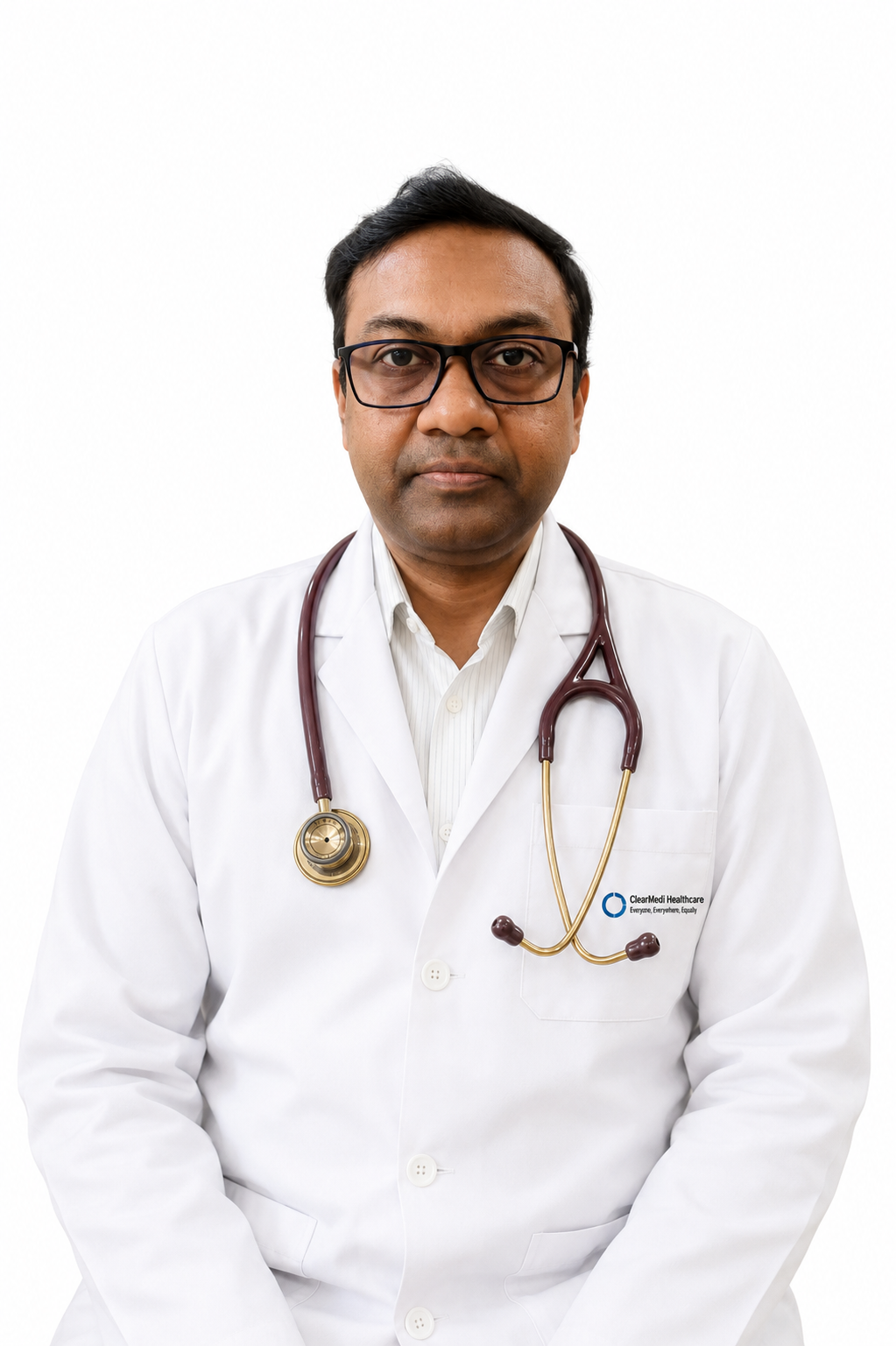
Senior Consultant – Cardiology
Experience: 18+ Years
ClearMedi Bahra Multispeciality Hospital, Kurali, NH21, Kharar, Mohali
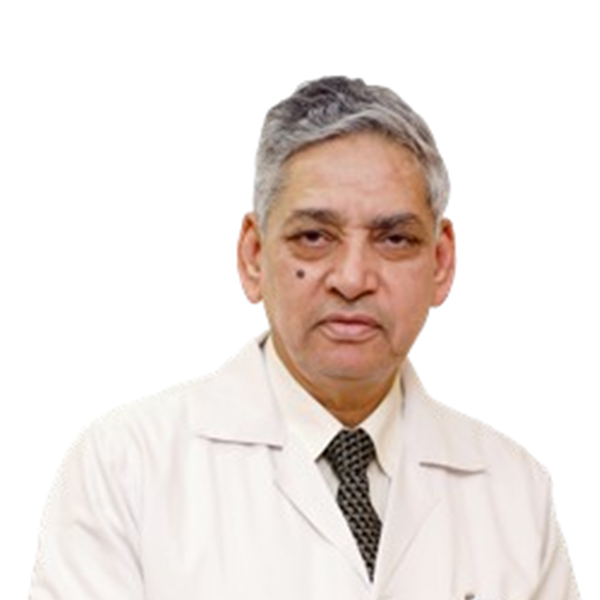
Director - Cardiology
Experience: 50+ Years
ClearMedi Bahra Multispeciality Hospital, Kurali, NH21, Kharar, Mohali
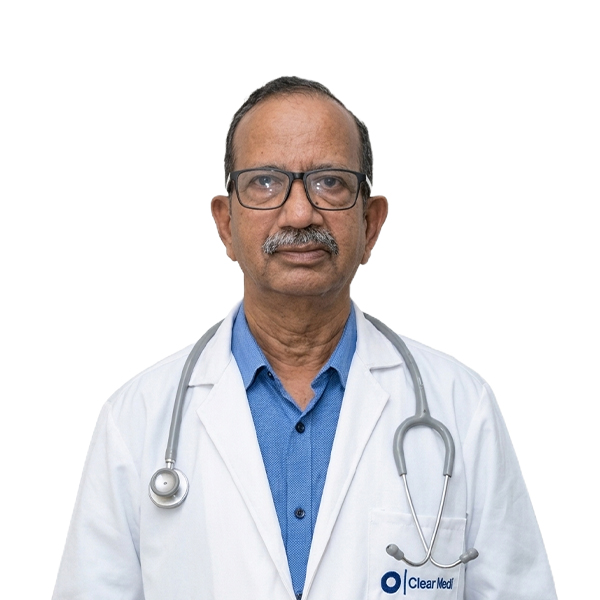
Senior Consultant - Pathology
Experience: 35+ Years
ClearMedi Paridhi Multispeciality Hospital, Kailash Vihar, Tulsi Vihar Colony, Gwalior
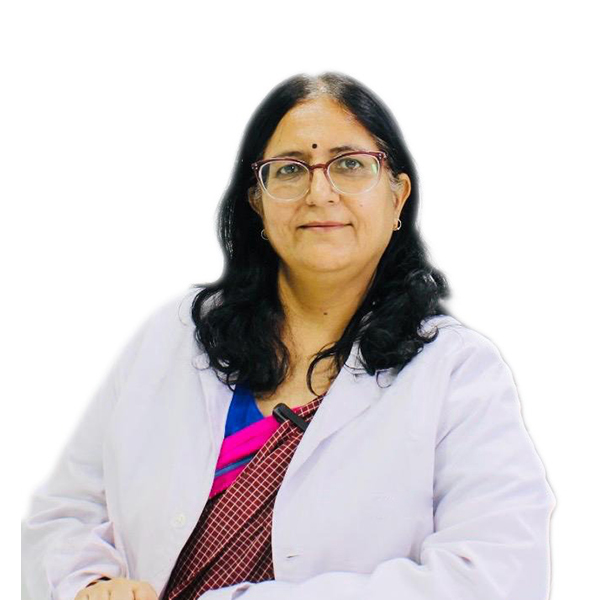
Sr. Consultant- Ophthalmology
Experience: 35+ Years
PrimaCare Clearmedi Multispeciality Hospital,Sector 104, Noida

Consultant - Orthopedics & Joint Replacement
Experience: 29+ Years
ClearMedi Paridhi Multispeciality Hospital, Kailash Vihar, Tulsi Vihar Colony, Gwalior
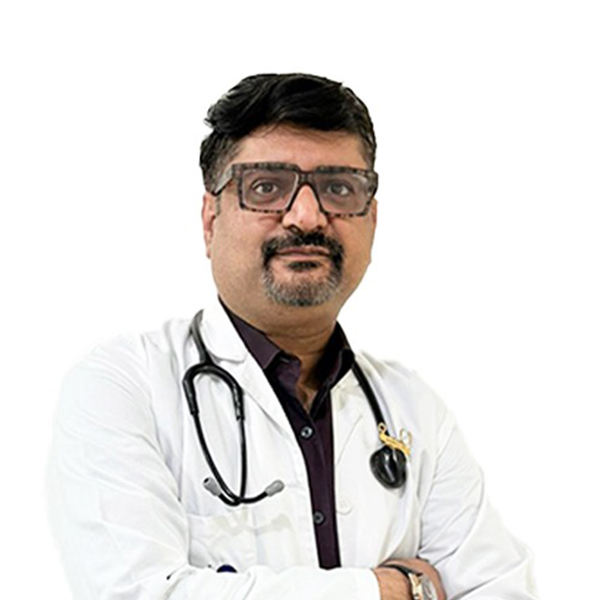
Senior Consultant – Cardiology
Experience: 27+ Years
PrimaCare Clearmedi Multispeciality Hospital,Sector 104, Noida
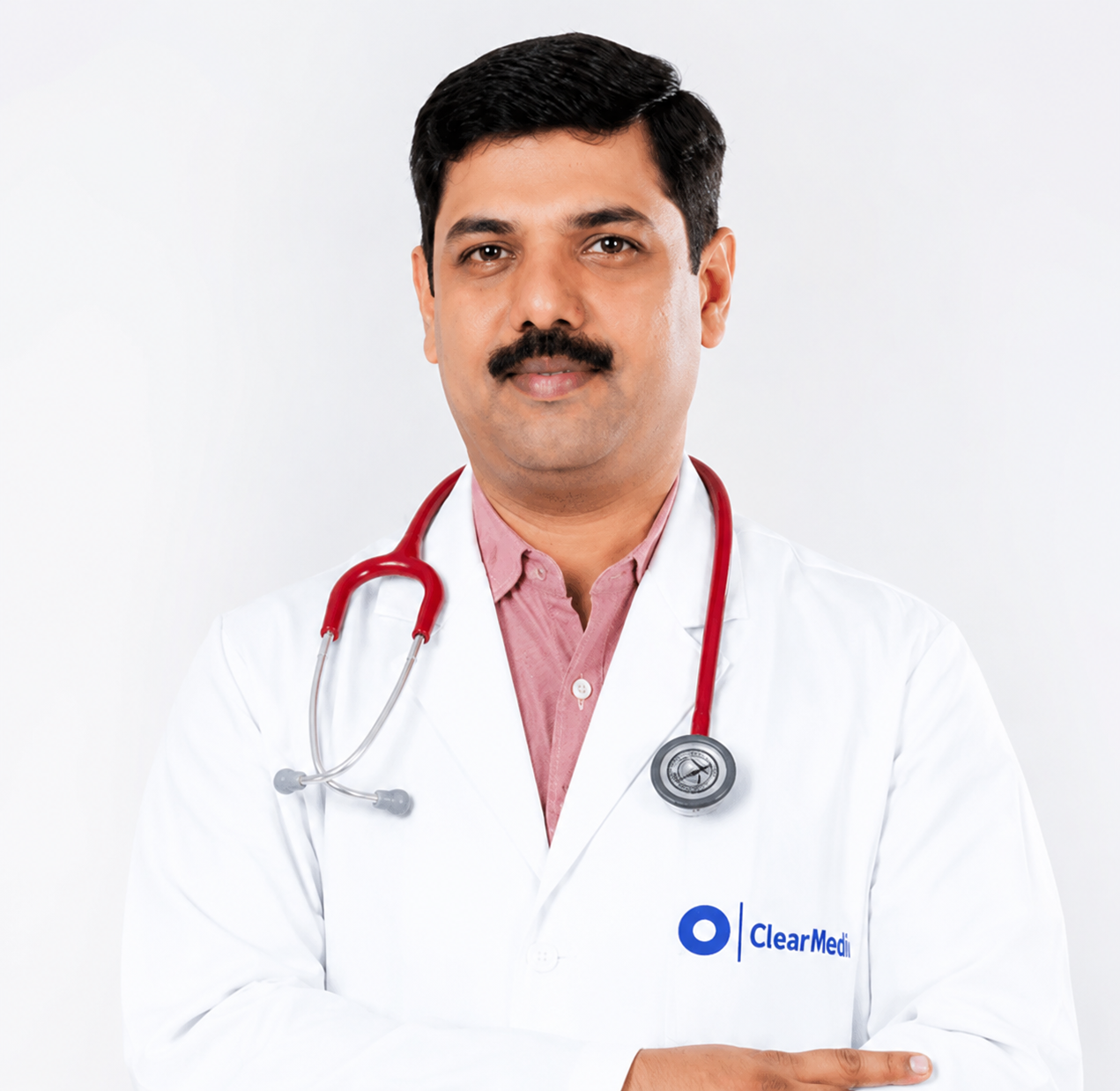
Consultant - Internal Medicine
Experience: 25+ Years
ClearMedi Radiant Hospital, Vijay Nagar 3rd Stage, Garudachar Layout, Mysuru
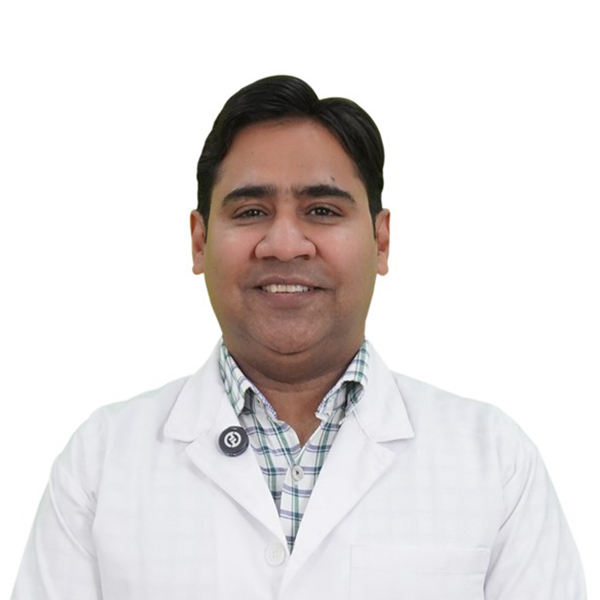
Head of Department - Anaesthesia
Experience: 25+ Years
ClearMedi Bahra Multispeciality Hospital, Kurali, NH21, Kharar, Mohali
Early stages of lung cancer are not often accompanied by symptoms. Upon arrival, symptoms could resemble those of other respiratory illnesses. This is why it is important not to disregard a change in breathing pattern that persists or is unexplained.
Here are some common symptoms:
Although these symptoms may be indicative of cancer, they may not necessarily indicate the disease. But you should see a doctor if your symptoms don't go away or if your chest scan turns up abnormal.
The condition known as lung cancer is multi-faceted. Lung cancers that do not involve small cells and those that do are the two primary types.
Adenocarcinoma and squamous cell carcinoma are malignancies that fall under non-small cell lung cancer. Considerations like tumour type, stage, and the patient's general condition dictate the course of treatment.
The unique characteristics and treatment needs of small cell lung cancer make it distinct from other forms of the disease.
Because no two patients are the same, it is important to know the exact type before treating them. Before making a therapy recommendation, doctors gain a better understanding of the situation thanks to the pathology report, scans, and other test results.
In most cases, more than one test is required to arrive at a diagnosis.
A physical examination may follow a conversation regarding symptoms, past health conditions, and risk factors. The next step is to use imaging to locate and assess the size of any questionable areas in the lung.
The results will determine what the doctors prescribe:
Because it is possible to determine the presence and kind of cancer by analyzing tissue samples, a biopsy is crucial. Additionally, molecular testing has the potential to reveal particular tumour alterations that can impact therapy decisions.
The next concern after a diagnosis of lung cancer is the stage of progression.
The extent to which lung cancer has spread, whether it has confined itself to the lung or lymph nodes in the immediate vicinity, and other factors can be ascertained through staging. Imaging studies like CT, PET, and, in some instances, MRI can help with this evaluation.
For non-small cell lung cancer (NSCLC), for instance, treatment for early-stage disease may vary from that for locally progressed or metastatic disease. Molecular results and the patient's overall health can also play a role in treatment decisions.
That is why it's not enough to rely on scan or biopsy results when formulating a treatment strategy; the full clinical picture is required.
One or more treatments may be part of a lung cancer treatment plan in Mohali. The patient's general health, tumour features, cancer type and stage, and other factors will determine the course of action.
When surgical removal of the malignancy is feasible, and the patient's health permits it, surgery may be considered. Procedures may necessitate the removal of a smaller or bigger segment of the lung, contingent upon the tumour.
Thoracic oncology, which includes treatment for tumours of the lung and other parts of the chest, is an area that ClearMedi's surgical oncology service focuses on. It goes on to explain how members of surgical, medical, and radiation oncology teams work together to make decisions.
Medications that target cancer cells are used in chemotherapy. They are used before, during, or after surgery, or even as a treatment for advanced disease; the timing depends on the patient.
The cancer cells are targeted by high-energy radiation in radiation therapy. It may be administered alone, in combination with other medicines, or to alleviate symptoms in patients with advanced cancer as part of the treatment for specific localized tumours.
It is possible to tailor medication treatment to certain lung tumours based on the molecular alterations they exhibit. This is one scenario in which molecular testing following a diagnosis could prove crucial.
The goal of immunotherapy is to train the immune system to detect and destroy cancer cells. Patients with certain types, stages, and pertinent tumour features of cancer may be candidates for this treatment.
All of these therapies may not be necessary for every patient. The goal is to choose a method that works with that specific illness.
Treatment for cancer frequently requires expertise from multiple fields. Surgeons, medical oncologists, radiation oncologists, radiologists, and pathologists may all be required to provide advice at various stages of a patient's treatment.
Medical, surgical, radiation, pathology, radiology, and supportive-care specialists are all part of ClearMedi's cancer program, which the company characterizes as a multidisciplinary paradigm. Its cancer care services also include individualized treatment plans that take into account each patient's specific medical history and symptoms.
Instead of handling each step of the cancer journey independently, this coordinated strategy can help patients contact a lung cancer doctor and connect diagnosis, staging, and treatment planning.
For patients searching for the Lung Cancer Doctor in Mohali, having access to coordinated cancer care can also make it easier to understand the different stages of treatment.
Various treatment regimens may be prescribed to individuals diagnosed with lung cancer. Among the many considerations made by doctors are:
Several factors, including stage, cancer type, gene alterations, and overall health, can impact treatment decisions for non-small cell lung cancer (NSCLC), according to the National Cancer Institute (NCI).
This highlights the need for individualized care rather than generic approaches derived from previous cases.
Even after the primary treatment is complete, patients may still need to attend follow-up appointments. Appointments and tests may need to be scheduled on a regular basis to track the patient's progress, response to treatment, and symptoms of recurrence.
Additionally, follow-up can handle more pragmatic issues like:
Treatment outcomes, disease stage, and kind of cancer dictate the course of follow-up care.
Medical, surgical, and radiation oncology are all part of ClearMedi Healthcare's oncology services, which also include interdisciplinary cancer treatment planning. When it comes to cancers of the lung and chest, thoracic oncology is a subspecialty of surgical oncology that it offers.
Personalized treatment plans, diagnostic assistance, continuous monitoring, and collaboration amongst various cancer-care specialists are all part of the medical oncology program at the hospital.
For someone looking for the lung cancer doctor in Mohali, this coordinated approach allows patients and their loved ones to keep talking to the right doctors about the diagnosis, possible treatments, and what to do next.
Discussing next measures after receiving a lung cancer diagnosis can be easier if you are familiar with the disease's kind, stage, and treatment choices.
Consulting with the lung cancer doctor in Mohali will help you understand the evaluation and treatment pathway appropriate to your condition, whether you have chronic respiratory symptoms, an abnormal scan, a confirmed diagnosis, or want another medical opinion.
In Mohali, patients can access a full spectrum of cancer treatment options from ClearMedi Healthcare, including surgical, medical, and radiation oncology procedures.
Call ClearMedi Healthcare at +91 9599565977 to schedule an appointment.
FAQ







I recently found myself under your care for a cancer issue. While there, accompanied by my wife, we found that the entire staff at ClearMedi Hospital was exceedingly professional and efficient, from your E.R. receptionists to the cardiac care team. Very proud of your outstanding staff and service.
Sonia Chauhan
I was recently cared for at ClearMedi Hospital following a heart attack. I just wanted to say a few words about the exceptional care I received in the ClearMedi Hospital Cardiac Care Unit and the ICU. All of the doctors and nurses were friendly, pleasant, kind, thorough, conscientious and professional. I am happy to have been in their care.
Purab Singh
I am writing on behalf of my brother who was a patient in your hospital. I would like to thank you on behalf of my entire family for the help and consideration shown to me in what was a very difficult time. Again, I would like to thank you for the services you provide to patients and their families.
Deepal Sinha© Copyright 2026, ClearMedi. All rights reserved.





 Call: 9599565977