Finding a lump in the breast can immediately bring worry, but not every breast change means cancer. Breast lumps, nipple changes, breast pain and changes in skin can have several causes, many of which are not cancerous. At the same time, unusual or persistent changes should not be ignored simply because they may have a harmless explanation.
For patients searching for the Breast Cancer Doctor in Mohali, the priority should be an accurate diagnosis followed by a treatment plan based on the type and stage of the disease. At ClearMedi Healthcare, cancer care involves specialist evaluation, diagnostic support and coordinated treatment planning for patients with different types of cancer, including breast cancer.
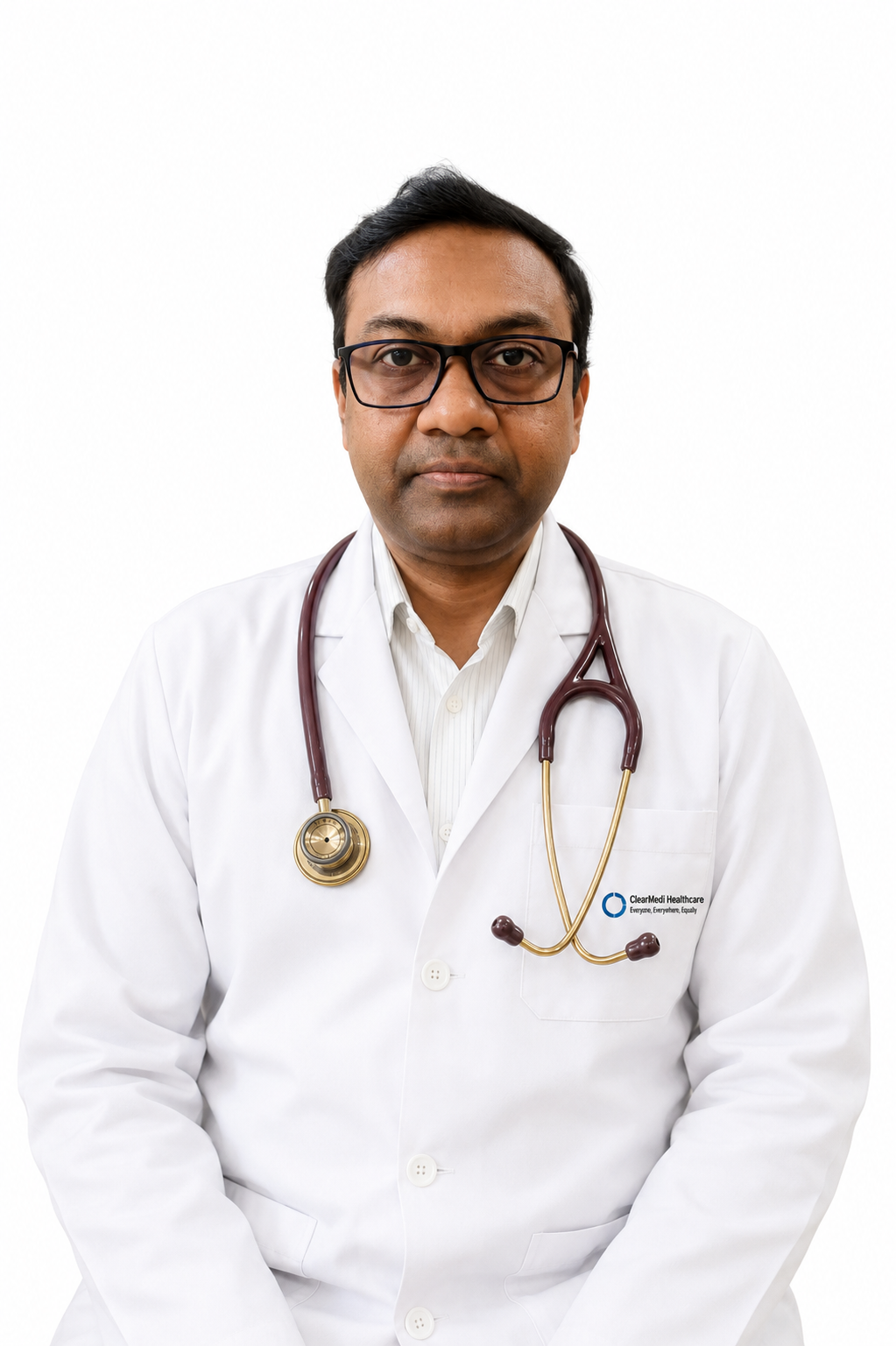
Senior Consultant – Cardiology
Experience: 18+ Years
ClearMedi Bahra Multispeciality Hospital, Kurali, NH21, Kharar, Mohali
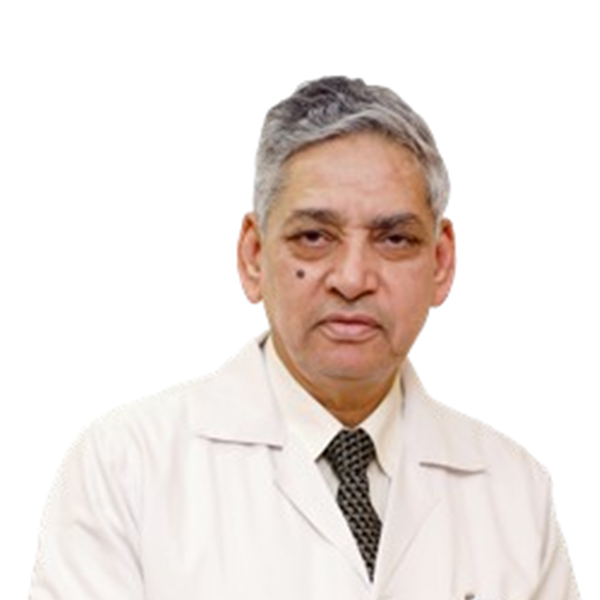
Director - Cardiology
Experience: 50+ Years
ClearMedi Bahra Multispeciality Hospital, Kurali, NH21, Kharar, Mohali
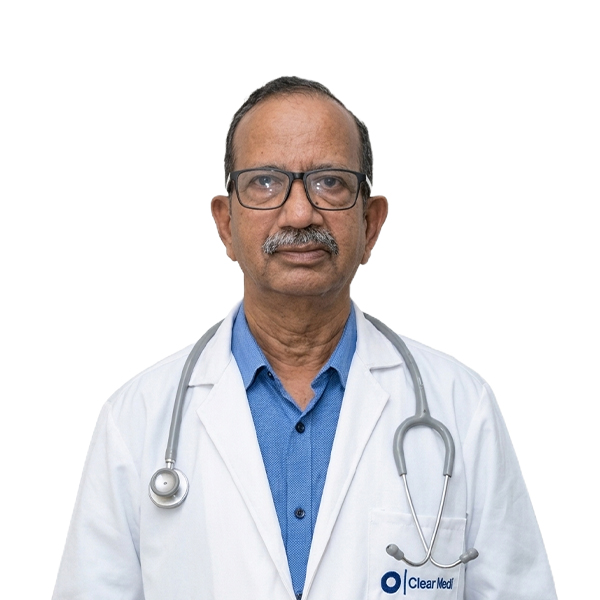
Senior Consultant - Pathology
Experience: 35+ Years
ClearMedi Paridhi Multispeciality Hospital, Kailash Vihar, Tulsi Vihar Colony, Gwalior
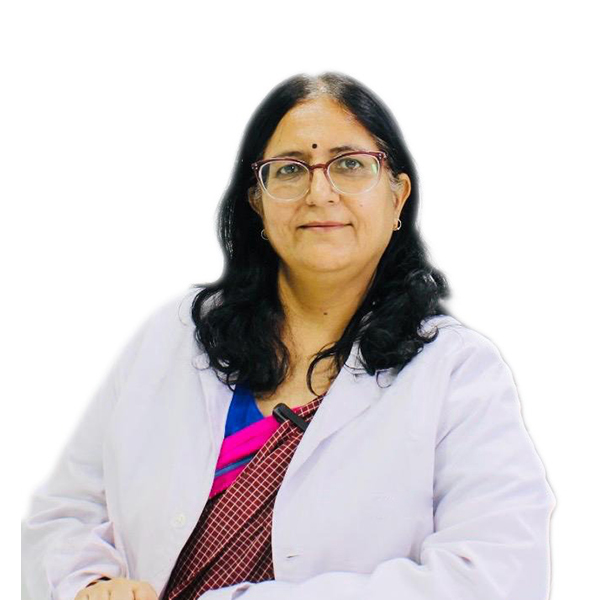
Sr. Consultant- Ophthalmology
Experience: 35+ Years
PrimaCare Clearmedi Multispeciality Hospital,Sector 104, Noida

Consultant - Orthopedics & Joint Replacement
Experience: 29+ Years
ClearMedi Paridhi Multispeciality Hospital, Kailash Vihar, Tulsi Vihar Colony, Gwalior
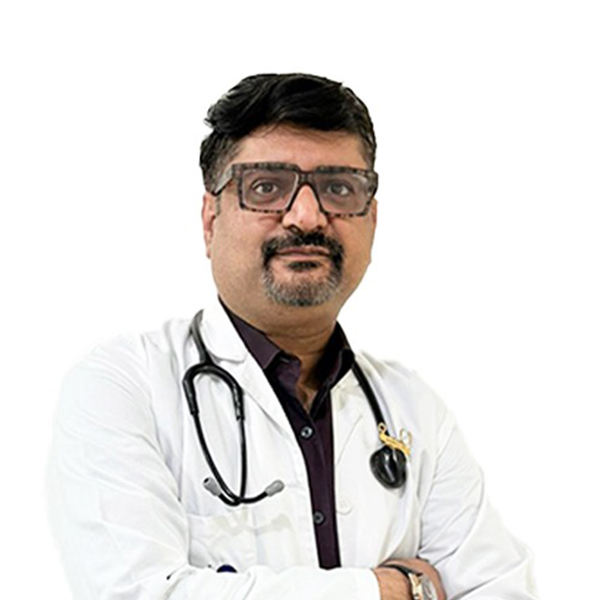
Senior Consultant – Cardiology
Experience: 27+ Years
PrimaCare Clearmedi Multispeciality Hospital,Sector 104, Noida
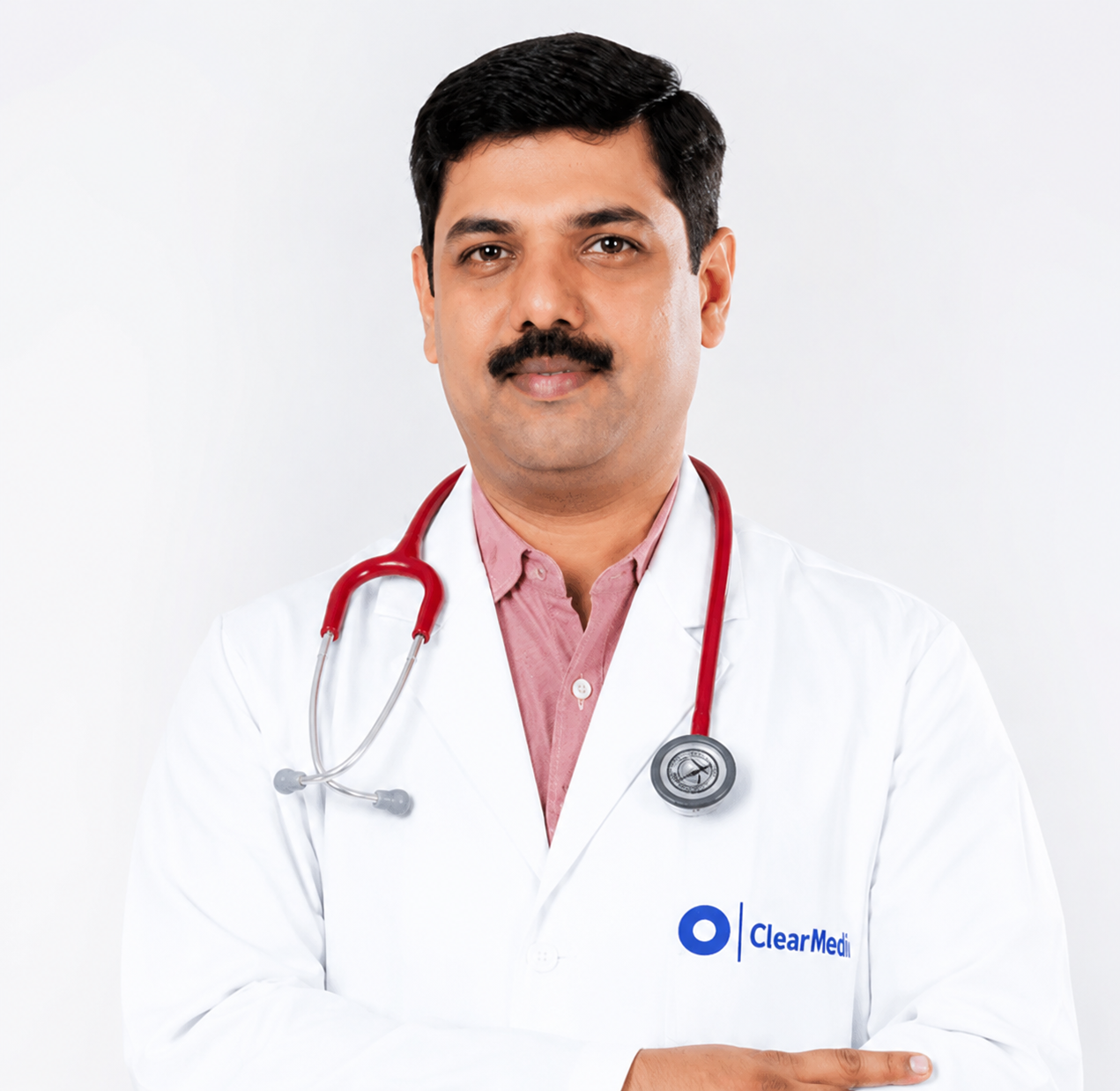
Consultant - Internal Medicine
Experience: 25+ Years
ClearMedi Radiant Hospital, Vijay Nagar 3rd Stage, Garudachar Layout, Mysuru
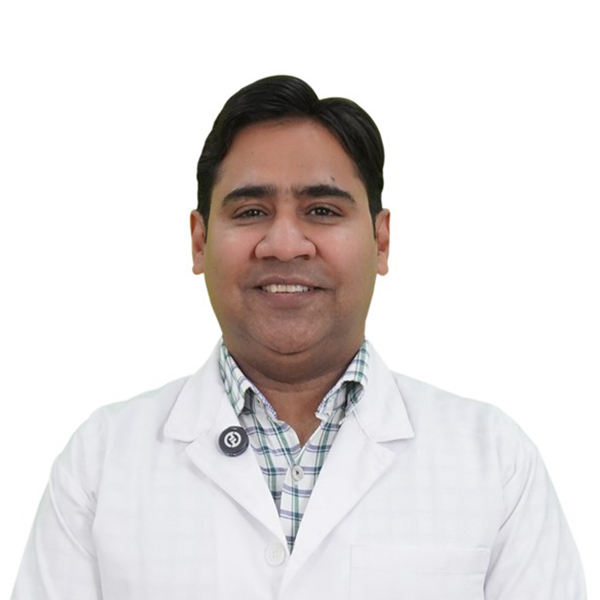
Head of Department - Anaesthesia
Experience: 25+ Years
ClearMedi Bahra Multispeciality Hospital, Kurali, NH21, Kharar, Mohali
Breast cancer develops when abnormal cells in breast tissue grow in an uncontrolled way. It can begin in different parts of the breast, including the ducts or lobules, and different breast cancers can behave differently.
This is why breast cancer should not be treated as one identical condition in every patient. The type of tumour, its size, whether lymph nodes are involved, biomarker results and other clinical factors can influence the recommended treatment.
Early breast cancer may not cause noticeable symptoms, which is one reason screening and appropriate evaluation of new breast changes are important.
A change in the breast does not automatically mean cancer. However, an unusual change deserves attention, especially when it persists or becomes more noticeable.
Possible signs include:
Breast pain by itself is not usually a sign of breast cancer, and many non-cancerous conditions can cause breast soreness. However, persistent or unexplained breast symptoms should still be discussed with a doctor.
It is understandable to wait and see whether a breast lump disappears, particularly when there is no pain. However, waiting without an assessment can create unnecessary uncertainty.
You should consider seeing a breast doctor if you notice a new lump, persistent nipple discharge, a visible change in the breast, skin dimpling or another unusual change.
Women who have a family history of breast cancer or other recognised risk factors may also benefit from discussing their individual screening needs with a qualified healthcare professional.
Importantly, a normal previous mammogram does not mean that a new breast change should be ignored. New or persistent symptoms should still be evaluated.
Breast cancer risk can be influenced by several factors. Some are related to age, family history, genetics and hormonal exposure, while others are associated with lifestyle or previous medical conditions.
Having a risk factor does not mean that cancer will definitely develop. Similarly, a person without an obvious risk factor can still develop breast cancer.
For this reason, risk assessment is only one part of breast cancer care. A breast doctor will consider the person's history, symptoms, examination findings and appropriate investigations together.
Diagnosis usually begins with a discussion about symptoms and medical history followed by a clinical breast examination.
Depending on the findings, imaging may be recommended. This can include mammography, ultrasound or other imaging techniques depending on the patient's age, symptoms and clinical situation.
If imaging or examination identifies an area that needs further assessment, a biopsy may be recommended. During a biopsy, a sample of tissue is taken and examined by a pathologist.
The pathology report is particularly important because it can confirm whether cancer is present and provide information about the tumour. If breast cancer is confirmed, additional testing may identify biomarkers that can help guide treatment decisions.
Once breast cancer has been diagnosed, the next step is to understand how extensive it is.
Staging helps determine whether the cancer is limited to the breast or has involved nearby lymph nodes or other parts of the body. Doctors may use examination findings, imaging, pathology and other investigations to establish the extent of disease.
The stage is important because two patients with breast cancer may require very different treatment plans.
Treatment decisions may also depend on tumour grade, biomarker results, overall health and other individual factors.
Treatment depends on the specific characteristics of the cancer rather than following one fixed approach for every patient.
Depending on the diagnosis, treatment may include surgery, chemotherapy, radiation therapy, hormone therapy, targeted therapy or immunotherapy. Some patients may receive more than one type of treatment as part of a planned sequence.
ClearMedi's medical oncology service in Mohali provides medication-based cancer treatments including chemotherapy, targeted therapy, immunotherapy and hormone therapy. Its oncology programme also describes multidisciplinary care involving medical oncologists, surgical oncologists, radiation oncologists, pathologists and radiologists.
Surgery may involve removal of the tumour while preserving as much breast tissue as appropriate, or removal of the breast in selected cases. ClearMedi's surgical oncology services include breast cancer procedures such as lumpectomy, mastectomy and sentinel lymph node biopsy.
The appropriate combination depends on the individual diagnosis.
There is no single treatment that is suitable for every person with breast cancer.
A younger patient with an early-stage tumour may have very different treatment needs from someone with lymph-node involvement or advanced disease. Biomarker results can also influence whether hormone therapy or targeted treatment is appropriate.
This is why a Breast Cancer Doctor in Mohali should not simply recommend treatment based on the cancer's name. The complete diagnostic picture needs to be considered before a treatment plan is finalised.
ClearMedi describes its oncology approach as personalised and multidisciplinary, with treatment planning based on the patient's diagnosis, stage and clinical circumstances.
Cancer treatment can affect energy levels, appetite, emotional wellbeing and everyday activities. Some patients experience treatment-related fatigue, nausea, changes in appetite or other side effects depending on the therapy they receive.
Supportive care can make the treatment journey easier to manage.
Patients may receive support with:
ClearMedi's Mohali oncology service describes supportive care that includes nutrition support, rehabilitation, physiotherapy, counselling and pain management when appropriate.
Finishing active treatment is an important milestone, but follow-up remains part of breast cancer care.
Regular appointments allow the treating team to monitor recovery, review symptoms and assess for any concerning changes. Follow-up may include physical examinations, laboratory tests or imaging depending on the individual's treatment history.
Follow-up is also an opportunity to discuss concerns that may arise after treatment, including changes in physical health, emotional wellbeing or daily functioning.
Cancer care often involves more than one specialist. A coordinated hospital-based approach can help bring diagnosis, treatment planning, supportive care and follow-up together.
ClearMedi's medical oncology programme in Mohali provides multidisciplinary cancer care and lists breast cancer among the conditions managed by its oncology team. The hospital also provides access to surgical oncology and other supporting specialties.
For patients looking for the Breast Cancer Doctor in Mohali, having access to coordinated oncology services can make it easier to move from diagnosis to treatment with a clear plan.
ClearMedi Bahra Multispeciality Hospital, Mohali provides a range of medical and surgical specialties, with cancer care available through its oncology services. The hospital's listed contact number is +91 9599565977.
A new breast lump or other unusual change can be worrying, but avoiding an assessment rarely makes the uncertainty easier. Many breast changes are not cancer, yet finding the actual cause is important.
If you have noticed a persistent lump, nipple change, unusual discharge or another breast change, seek appropriate medical evaluation rather than relying on self-diagnosis.
At ClearMedi Healthcare, Mohali, patients can access coordinated oncology care covering diagnosis, treatment planning, medical oncology, surgical oncology and supportive services.
If you are looking for the Breast Cancer Doctor in Mohali or want to discuss an abnormal breast report, call +91 9599565977 to arrange a consultation with the ClearMedi Healthcare oncology team.
FAQ






I recently found myself under your care for a cancer issue. While there, accompanied by my wife, we found that the entire staff at ClearMedi Hospital was exceedingly professional and efficient, from your E.R. receptionists to the cardiac care team. Very proud of your outstanding staff and service.
Sonia Chauhan
I was recently cared for at ClearMedi Hospital following a heart attack. I just wanted to say a few words about the exceptional care I received in the ClearMedi Hospital Cardiac Care Unit and the ICU. All of the doctors and nurses were friendly, pleasant, kind, thorough, conscientious and professional. I am happy to have been in their care.
Purab Singh
I am writing on behalf of my brother who was a patient in your hospital. I would like to thank you on behalf of my entire family for the help and consideration shown to me in what was a very difficult time. Again, I would like to thank you for the services you provide to patients and their families.
Deepal Sinha© Copyright 2026, ClearMedi. All rights reserved.





 Call: 9599565977