Gallbladder disorders don’t all start with acute pain. Sometimes a person will feel uncomfortable after eating and think it is indigestion. In some circumstances, gallstones are identified on an ultrasound for an entirely different reason.
Not everyone with gallstones will have symptoms. Some people have so-called silent gallstones and may never require treatment. This condition is where problems tend to occur. A stone can obstruct the regular passage of bile.
At ClearMedi Healthcare, Mohali, we care for more than just ultrasound reports. We review your symptoms, medical history, examination, and investigation results to establish whether gallstones are indeed the cause of your suffering.
Our goal is to first identify the situation and then explain the most appropriate next step for our patients searching for the gallbladder stone doctor in Mohali.

Senior Consultant – Cardiology
Experience: 18+ Years
ClearMedi Bahra Multispeciality Hospital, Kurali, NH21, Kharar, Mohali
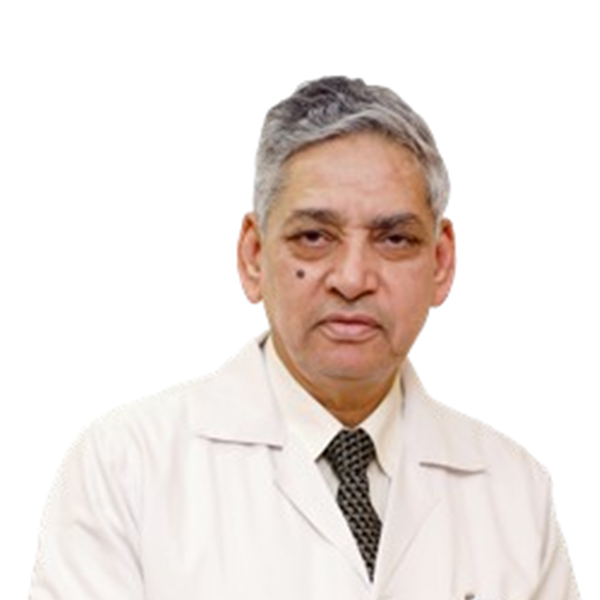
Director - Cardiology
Experience: 50+ Years
ClearMedi Bahra Multispeciality Hospital, Kurali, NH21, Kharar, Mohali
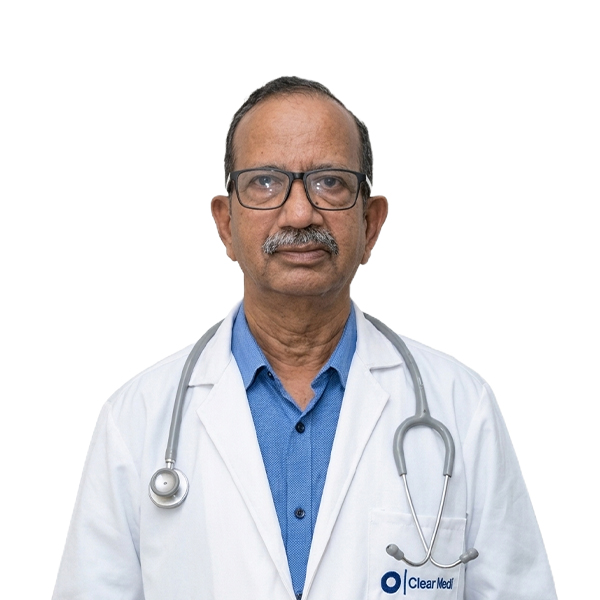
Senior Consultant - Pathology
Experience: 35+ Years
ClearMedi Paridhi Multispeciality Hospital, Kailash Vihar, Tulsi Vihar Colony, Gwalior
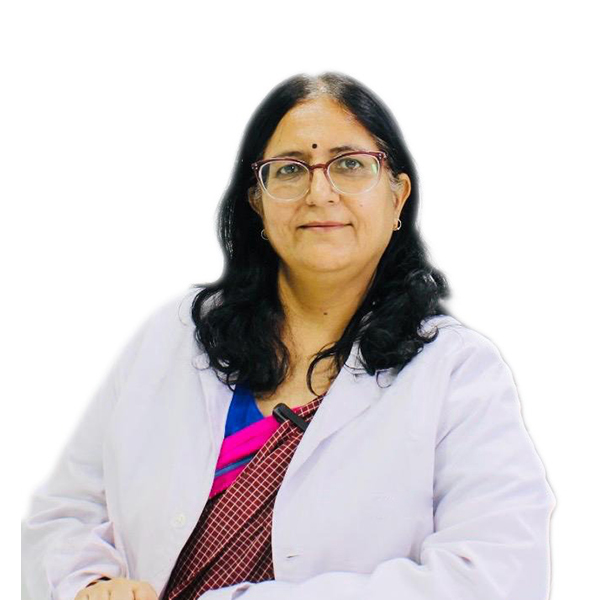
Sr. Consultant- Ophthalmology
Experience: 35+ Years
PrimaCare Clearmedi Multispeciality Hospital,Sector 104, Noida

Consultant - Orthopedics & Joint Replacement
Experience: 29+ Years
ClearMedi Paridhi Multispeciality Hospital, Kailash Vihar, Tulsi Vihar Colony, Gwalior

Senior Consultant – Cardiology
Experience: 27+ Years
PrimaCare Clearmedi Multispeciality Hospital,Sector 104, Noida
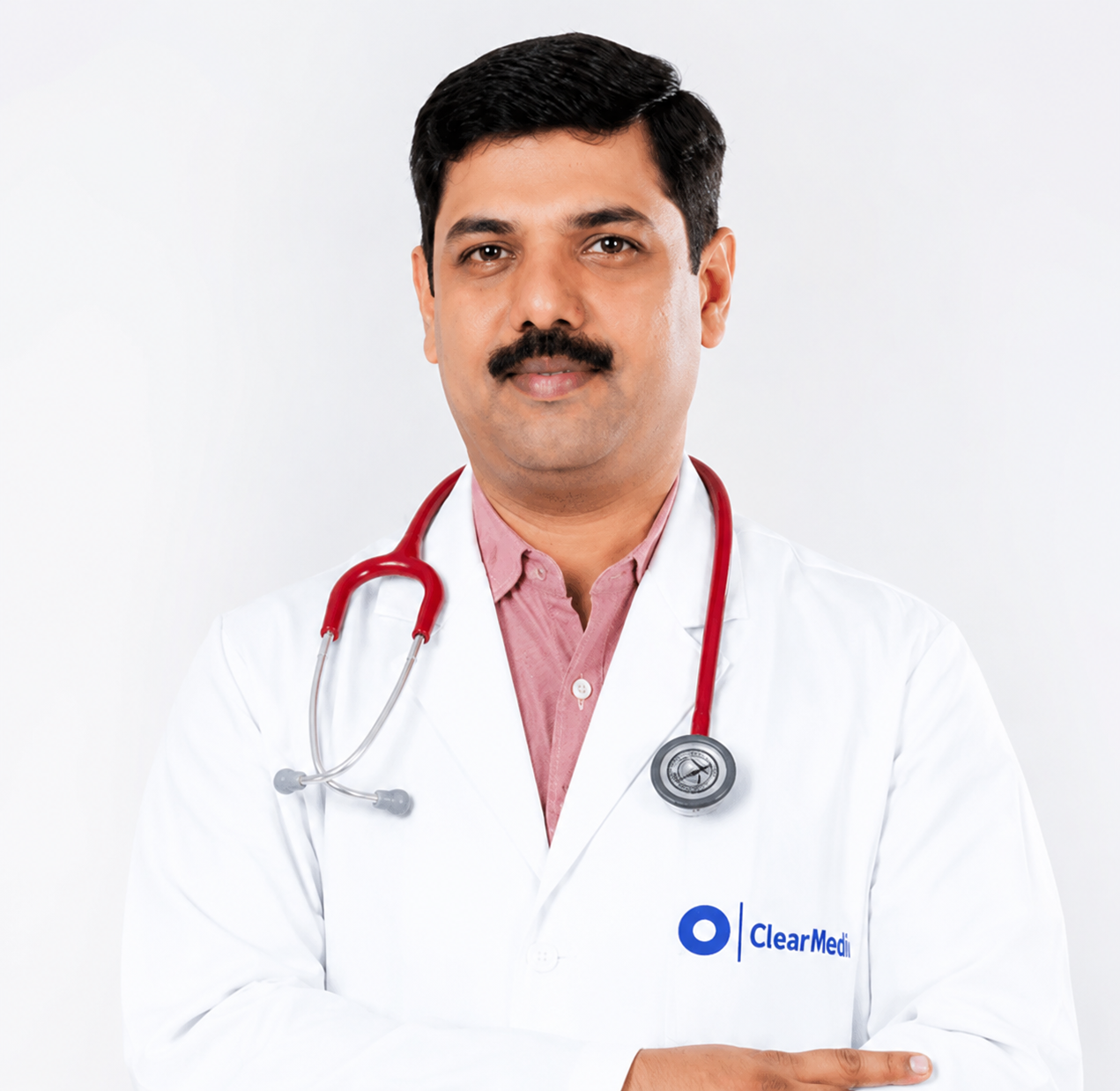
Consultant - Internal Medicine
Experience: 25+ Years
ClearMedi Radiant Hospital, Vijay Nagar 3rd Stage, Garudachar Layout, Mysuru
Head of Department - Anaesthesia
Experience: 25+ Years
ClearMedi Bahra Multispeciality Hospital, Kurali, NH21, Kharar, Mohali
The gallbladder is a tiny organ that sits just beneath the liver. It holds bile, a digestive liquid that helps the body break down lipids.
Gallstones are hard particles that form in the gallbladder. They are usually formed of cholesterol or bilirubin and may be of quite different sizes. One person, many stones, or one stone.
Having a stone does not necessarily mean that therapy is required. If a stone is in the gallbladder but not producing symptoms or blockage, then it might just be observed.
The problem is worse when a stone travels into a bile duct or otherwise interferes with the regular passage of bile. This may lead to pain and, sometimes, inflammation, infection, or other problems.
Gallbladder discomfort is sometimes confused for acidity or normal indigestion.
A common gallbladder attack could result in pain in the upper right portion of the abdomen or below the ribs. Some feel it in the upper-mid abdomen instead. The ache may continue for several hours and may occur after a heavy meal. It could even radiate to the back or shoulder.
Gallstones don't have a monopoly on these symptoms. Similar discomfort can be caused by various digestive problems, ulcers, and pancreatitis.
If you’re sure you have a gallstone and your symptoms keep coming back, then it’s preferable to find out what’s causing them, rather than just manage the pain without a definite diagnosis.
An inadvertent finding of a gallstone on an ultrasonography does not always need rapid treatment. But don’t dismiss recurrent symptoms.
If you are considering getting evaluated:
These signs can signal a problem and should be assessed immediately: severe or persistent abdominal discomfort, fever, chills, frequent vomiting, yellowing of the eyes or skin.
I like to know the symptoms before I start to make inferences from a scan.
During a consultation, the doctor may ask you where the pain starts, how long it lasts, if eating triggers it, and if you have experienced nausea, vomiting, fever, or jaundice. Any diseases you have had in the past or medications you have taken may also be important.
Evaluation, depending on the findings, may include:
Ultrasound is widely used and can identify gallstones. Blood tests might tell you about inflammation or abnormalities with the gallbladder, liver, pancreas, or bile ducts. Selective use of ERCP includes removal of stones from the common bile duct.
The goal is not to know that a stone exists. We also need to know if it explains your symptoms and if anything else should be attended to.
Treatment is based on the symptoms, location of the stones, and the presence of complications.
Gallstones that are identified incidentally and have never produced symptoms may not require treatment. They are usually termed active therapy when they produce frequent attacks or consequences.
The primary surgical treatment for gallstones that cause symptoms is to remove the gallbladder, a procedure called a cholecystectomy.
Laparoscopy is frequently performed. The surgeon makes small cuts in the belly and uses a camera and special tools. For the right people, that can mean smaller incisions and a faster recovery than standard open surgery.
Laparoscopic surgery is not indicated for every case. In severe inflammation, infection, significant scarring, or intraoperative complications, an open surgical approach may be required.
The safest way depends on the condition of each individual patient, and on what the surgeon finds at the time of therapy.
Every now and then a stone passes out of the gallbladder and lodges in the common bile duct. In selected circumstances, the stone can be removed via ERCP.
Once the duct is cleansed, the doctor may consider whether additional treatment of the gallbladder is needed.
Nope. This is a critical thing to understand after getting an ultrasound result.
People with silent gallstones are not treated. If stones produce recurrent symptoms or difficulties, surgery is increasingly important.
I would not advocate basing a decision to operate on a report that states the amount or size of stones. What matters far more are the patient’s symptoms and the overall clinical picture.
One can live a regular life without a gallbladder.
Even with the gallbladder removed, the liver still makes bile. The difference is that the bile is dumped straight into the gut rather than being retained in the gallbladder.
Changes in bowel habits may be transient following surgery. These can include softer or more frequent stools. If these changes persist or become troublesome, they should be reviewed with the treating team.
Recovery also depends on the type of surgery, the patient’s overall condition, and whether the operation was planned or conducted to treat an urgent problem.
There’s no guaranteed technique to prevent every instance of gallstones. Healthy everyday practices could help minimize the danger.
I usually suggest working on sustainable habits rather than severe diets:
It is to approach weight management slowly, as very rapid weight loss can raise the chance of gallstone formation.
However, if you already have symptoms, modifying your diet should not be a substitute for proper medical assessment.
Gallbladder treatment is not a matter only of whether surgery should be conducted. The first step is to establish if the stones are genuinely causing an issue.
At ClearMedi Healthcare, Mohali, we assess the symptoms and reports of the investigations before talking about any observation, further testing, or therapy. ClearMedi also offers GI surgical services including gallbladder surgery and laparoscopic gastrointestinal procedures.
For those who need the Gallbladder Stone Doctor in Mohali, I think a good consultation should provide you with a clear understanding of your diagnosis, alternatives, and future steps.
If you have had an ultrasound, blood tests, or another examination already, please bring the reports with you.
It may also be useful to note that:
These details can help us understand the pattern of your symptoms better.
An ultrasound showing gallstones doesn’t mean you should panic. However, you should not accept recurring pain, nausea, or discomfort after eating.
A proper assessment can assist in determining if the stones are causing your symptoms and if you require treatment, monitoring, or further investigation.
At ClearMedi Healthcare, Mohali, we believe in understanding the situation of the patient first and then addressing the next step.
For booking a consultation and discussing your gallbladder issues with the Gallbladder Stone Doctor in Mohali, call +91 9599565977.
FAQ




I recently found myself under your care for a cancer issue. While there, accompanied by my wife, we found that the entire staff at ClearMedi Hospital was exceedingly professional and efficient, from your E.R. receptionists to the cardiac care team. Very proud of your outstanding staff and service.
Sonia Chauhan
I was recently cared for at ClearMedi Hospital following a heart attack. I just wanted to say a few words about the exceptional care I received in the ClearMedi Hospital Cardiac Care Unit and the ICU. All of the doctors and nurses were friendly, pleasant, kind, thorough, conscientious and professional. I am happy to have been in their care.
Purab Singh
I am writing on behalf of my brother who was a patient in your hospital. I would like to thank you on behalf of my entire family for the help and consideration shown to me in what was a very difficult time. Again, I would like to thank you for the services you provide to patients and their families.
Deepal Sinha© Copyright 2026, ClearMedi. All rights reserved.





 Call: 9599565977
