Heart-related symptoms can be worrying, especially when a person is told that there may be a blockage in the arteries supplying the heart. Heart blockage is commonly used to describe narrowing or obstruction in the coronary arteries, which can affect blood flow to the heart muscle. Coronary artery disease, or CAD, can develop gradually and may sometimes remain unnoticed until symptoms become more obvious.
Choosing the heart blockage doctor in Gwalior should begin with proper evaluation rather than treatment based only on symptoms. At ClearMedi Healthcare, cardiac assessment can include ECG, echocardiography, stress testing, and Holter monitoring, depending on the patient's condition.
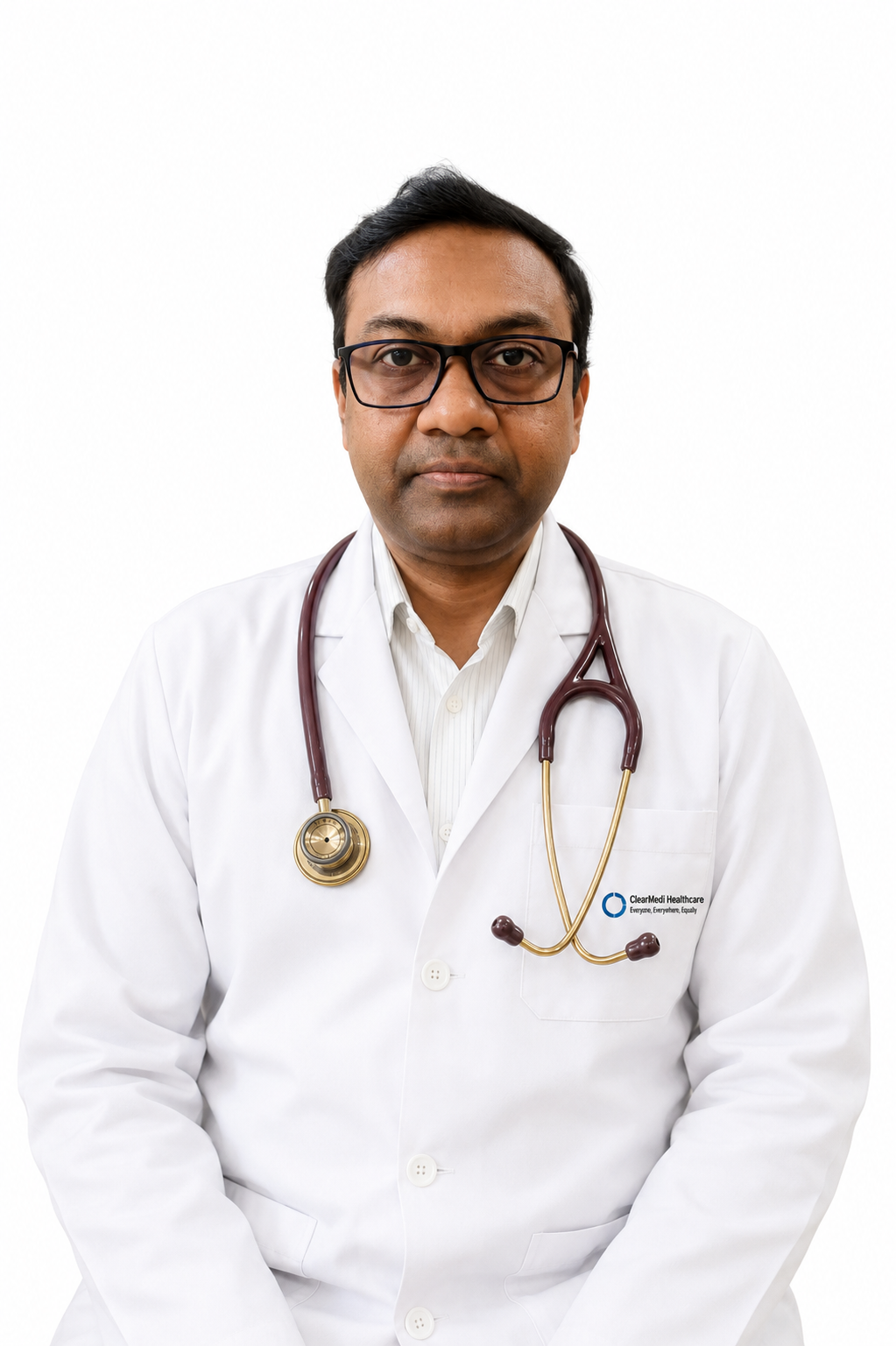
Senior Consultant – Cardiology
Experience: 18+ Years
ClearMedi Bahra Multispeciality Hospital, Kurali, NH21, Kharar, Mohali
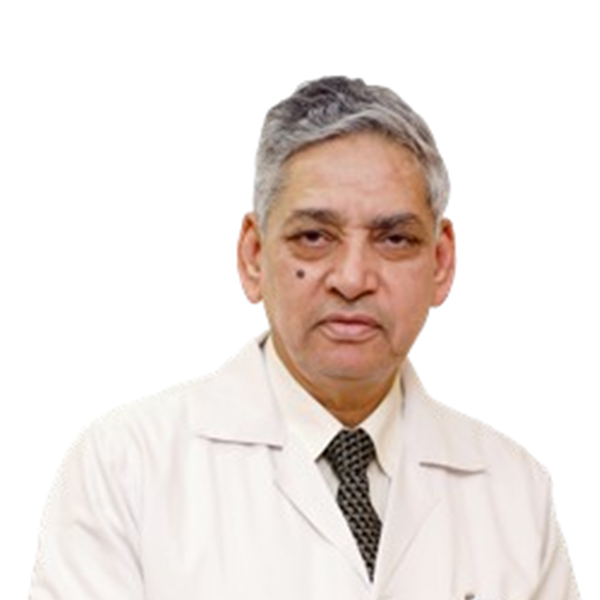
Director - Cardiology
Experience: 50+ Years
ClearMedi Bahra Multispeciality Hospital, Kurali, NH21, Kharar, Mohali
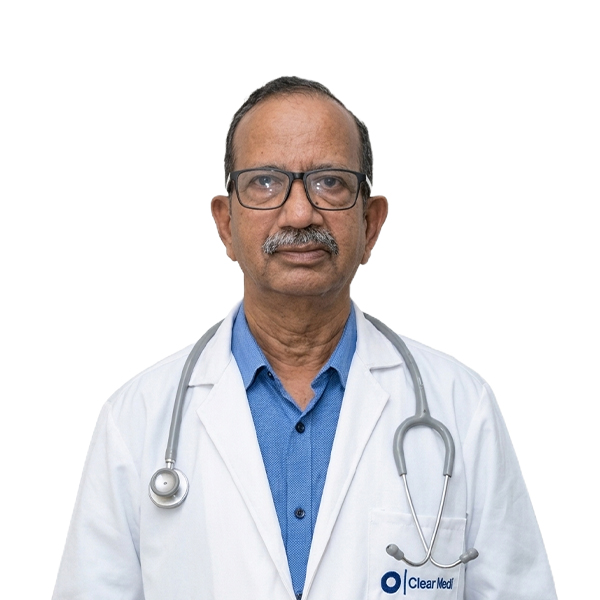
Senior Consultant - Pathology
Experience: 35+ Years
ClearMedi Paridhi Multispeciality Hospital, Kailash Vihar, Tulsi Vihar Colony, Gwalior
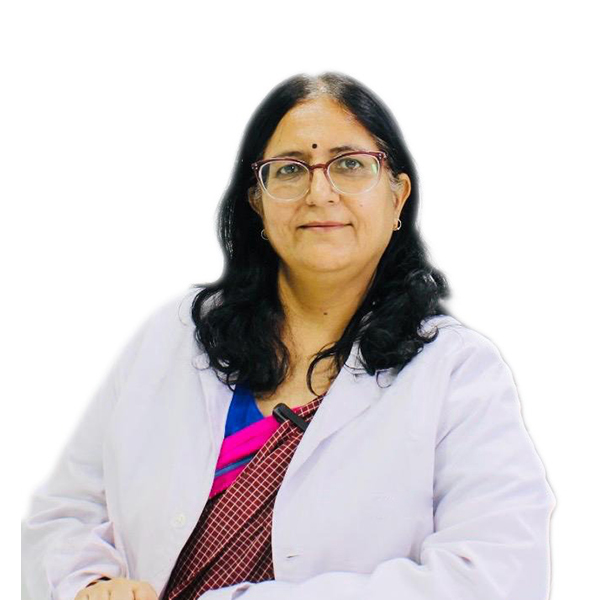
Sr. Consultant- Ophthalmology
Experience: 35+ Years
PrimaCare Clearmedi Multispeciality Hospital,Sector 104, Noida

Consultant - Orthopedics & Joint Replacement
Experience: 29+ Years
ClearMedi Paridhi Multispeciality Hospital, Kailash Vihar, Tulsi Vihar Colony, Gwalior
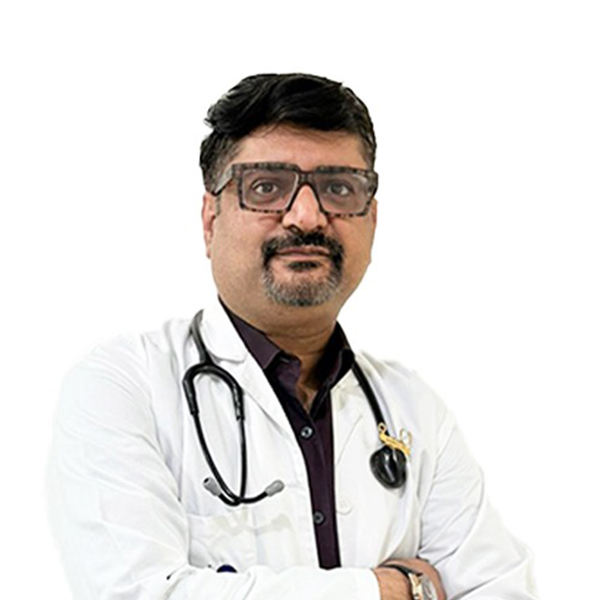
Senior Consultant – Cardiology
Experience: 27+ Years
PrimaCare Clearmedi Multispeciality Hospital,Sector 104, Noida
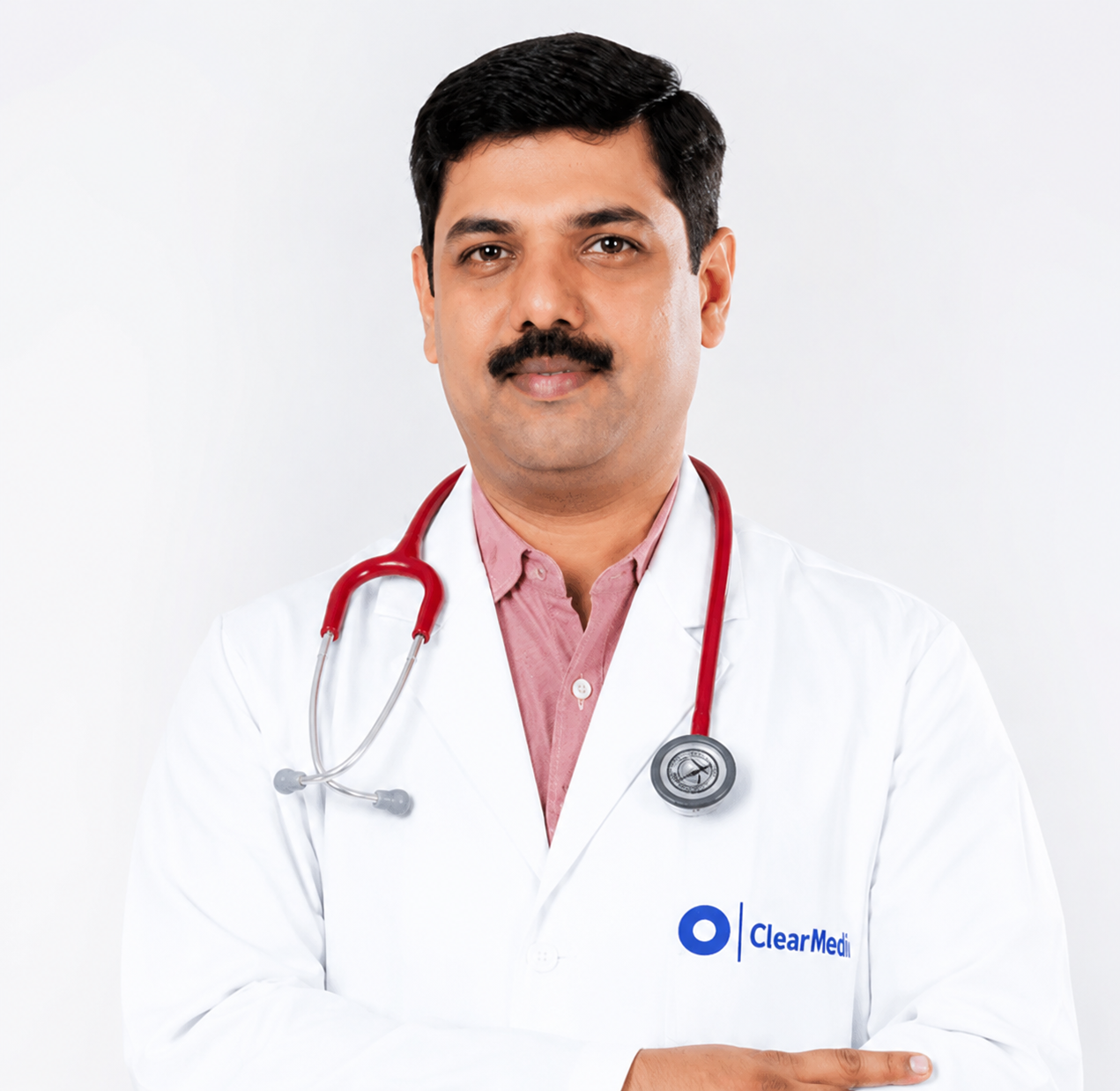
Consultant - Internal Medicine
Experience: 25+ Years
ClearMedi Radiant Hospital, Vijay Nagar 3rd Stage, Garudachar Layout, Mysuru
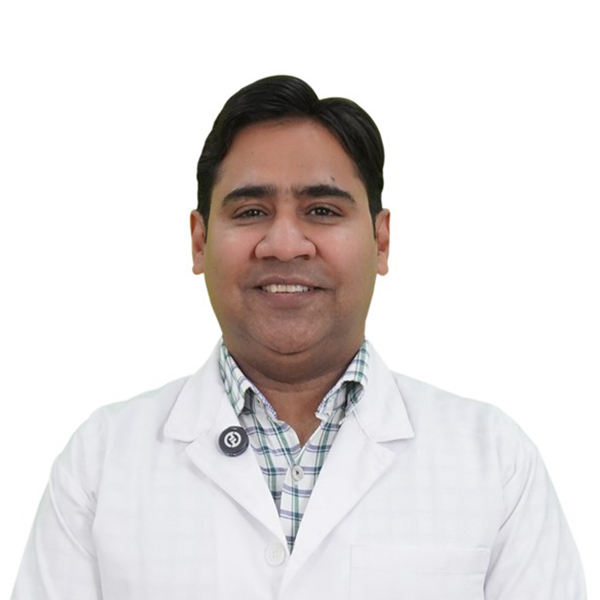
Head of Department - Anaesthesia
Experience: 25+ Years
ClearMedi Bahra Multispeciality Hospital, Kurali, NH21, Kharar, Mohali
The heart needs a continuous supply of oxygen-rich blood through the coronary arteries. When fatty deposits build up inside these arteries, the passage can become narrower. This may reduce blood flow, particularly when the heart has to work harder.
Some people may experience:
However, symptoms can vary considerably. Some people with CAD may have few noticeable symptoms, while others may develop significant discomfort. New, severe, or rapidly worsening chest pain requires urgent medical attention.
CAD usually develops because of several contributing factors rather than one single cause. Common risk factors include:
Managing these risks can form an important part of long-term cardiac care. ClearMedi's Gwalior cardiology services include management of conditions such as hypertension, high cholesterol, and coronary artery disease alongside diagnostic evaluation.
A proper diagnosis helps determine whether symptoms are related to coronary artery disease and how much further evaluation may be needed. A cardiology consultation generally starts with a discussion of symptoms, medical history, medications, and existing health conditions.
Depending on the situation, cardiac investigations may include:
ClearMedi's Gwalior cardiac facilities include ECG, echocardiography, treadmill stress testing and Holter monitoring.
Treatment depends on the extent of artery narrowing, symptoms, test results, and the patient's overall health. Not every person with coronary artery disease requires a procedure. Some patients may be managed with medicines and changes in lifestyle, while others may need an interventional procedure.
Depending on the diagnosis, treatment may involve:
Medicines may be prescribed to manage blood pressure, cholesterol, symptoms, and other cardiovascular risk factors. Regular monitoring is important because treatment may need to change over time.
Lifestyle measures can also support heart health. These may include appropriate physical activity, dietary changes, weight management, stopping tobacco use and controlling conditions such as diabetes and hypertension.
When a coronary artery is significantly narrowed or blocked, angioplasty may be considered in appropriate patients. During angioplasty, a catheter is used to reach the affected blood vessel, and a stent may be placed to help keep the artery open.
ClearMedi's Gwalior cardiology services include angioplasty and stenting as part of its interventional cardiac care.
Treatment does not necessarily end after symptoms improve or a procedure is completed. Follow-up helps monitor heart health, medications, and risk factors. It also gives patients an opportunity to discuss new symptoms or concerns early.
Cardiac care often involves several stages, from identifying symptoms and performing diagnostic tests to selecting treatment and monitoring recovery. ClearMedi Paridhi Multispeciality Hospital, Gwalior provides cardiology services supported by cardiac diagnostics and hospital-based care.
The cardiac facilities listed by ClearMedi include:
The aim is to understand the patient's condition before deciding what type of treatment is appropriate rather than treating every case in the same way.
Do not ignore persistent or recurring symptoms that could be related to your heart. A consultation is particularly important if you experience:
If chest pain is severe, sudden, or accompanied by significant breathlessness, sweating, fainting, or other concerning symptoms, seek emergency medical care rather than waiting for a routine appointment.
Heart symptoms should not be ignored or treated based only on assumptions. Whether you have recently been told about a blockage or have recurring symptoms, getting the right evaluation can help clarify what is happening and what treatment may be appropriate.
If you are looking for the Heart Blockage Doctor in Gwalior, contact ClearMedi Healthcare, Gwalior for a cardiac consultation and discuss your symptoms with the cardiology team.
Call ClearMedi Healthcare: +91 9599565977.
FAQ


I recently found myself under your care for a cancer issue. While there, accompanied by my wife, we found that the entire staff at ClearMedi Hospital was exceedingly professional and efficient, from your E.R. receptionists to the cardiac care team. Very proud of your outstanding staff and service.
Sonia Chauhan
I was recently cared for at ClearMedi Hospital following a heart attack. I just wanted to say a few words about the exceptional care I received in the ClearMedi Hospital Cardiac Care Unit and the ICU. All of the doctors and nurses were friendly, pleasant, kind, thorough, conscientious and professional. I am happy to have been in their care.
Purab Singh
I am writing on behalf of my brother who was a patient in your hospital. I would like to thank you on behalf of my entire family for the help and consideration shown to me in what was a very difficult time. Again, I would like to thank you for the services you provide to patients and their families.
Deepal Sinha© Copyright 2026, ClearMedi. All rights reserved.





 Call: 9599565977
