Epilepsy is a neurological condition that can affect people in very different ways. For some, it may involve repeated seizures that are easy to recognise. For others, the signs can be less obvious, such as brief periods of staring, unusual movements, confusion or temporary changes in awareness.
A first seizure can be frightening, especially when you do not know what caused it or whether it will happen again. Getting the right evaluation can help clarify Epilepsy Doctor in Gwaliorwhat is happening and whether treatment is needed.
For someone looking for the epilepsy doctor in Gwalior, the important first step is a proper neurological assessment rather than assuming that every unusual episode is epilepsy. ClearMedi's neurology services in Gwalior include care for epilepsy and seizure disorders, supported by neurological evaluation and diagnostic facilities.

Senior Consultant – Cardiology
Experience: 18+ Years
ClearMedi Bahra Multispeciality Hospital, Kurali, NH21, Kharar, Mohali
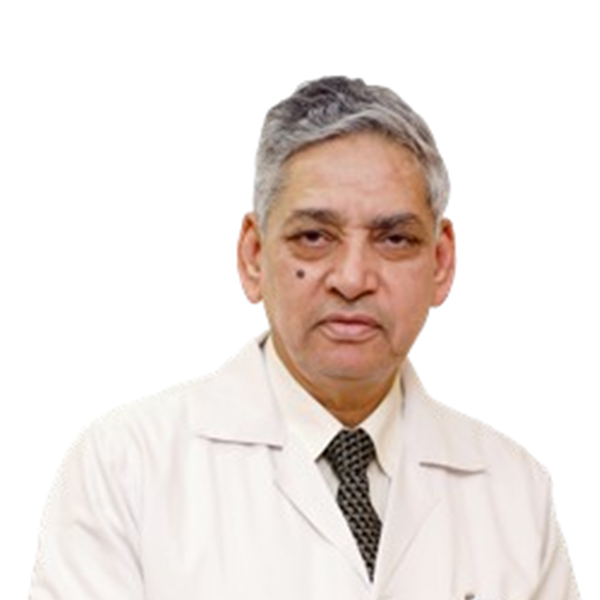
Director - Cardiology
Experience: 50+ Years
ClearMedi Bahra Multispeciality Hospital, Kurali, NH21, Kharar, Mohali
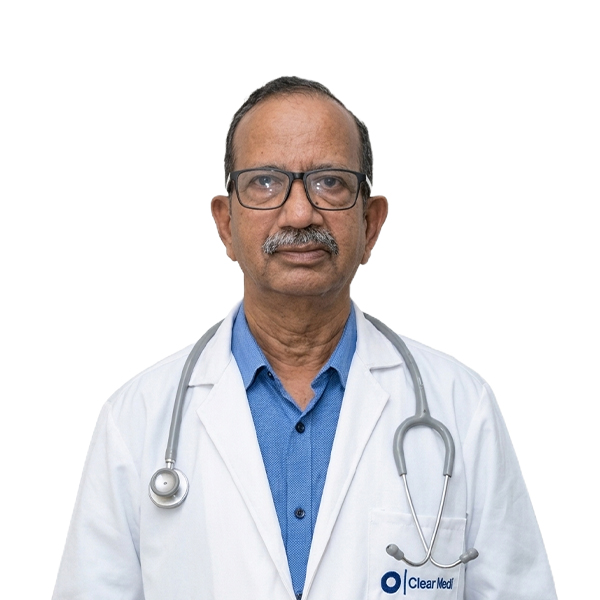
Senior Consultant - Pathology
Experience: 35+ Years
ClearMedi Paridhi Multispeciality Hospital, Kailash Vihar, Tulsi Vihar Colony, Gwalior
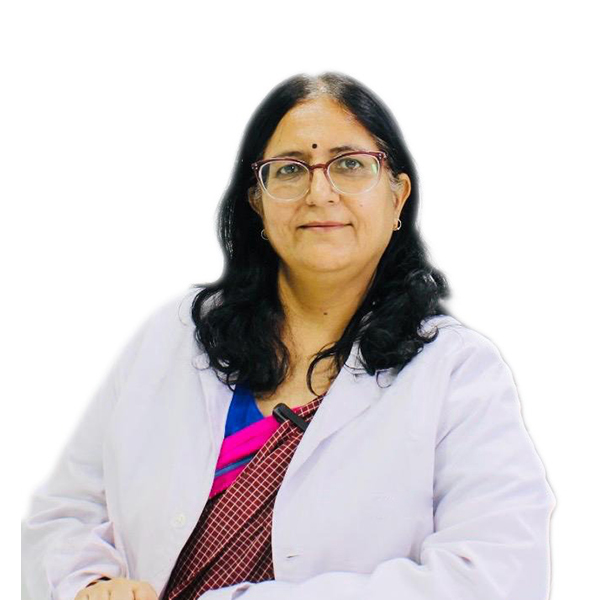
Sr. Consultant- Ophthalmology
Experience: 35+ Years
PrimaCare Clearmedi Multispeciality Hospital,Sector 104, Noida

Consultant - Orthopedics & Joint Replacement
Experience: 29+ Years
ClearMedi Paridhi Multispeciality Hospital, Kailash Vihar, Tulsi Vihar Colony, Gwalior
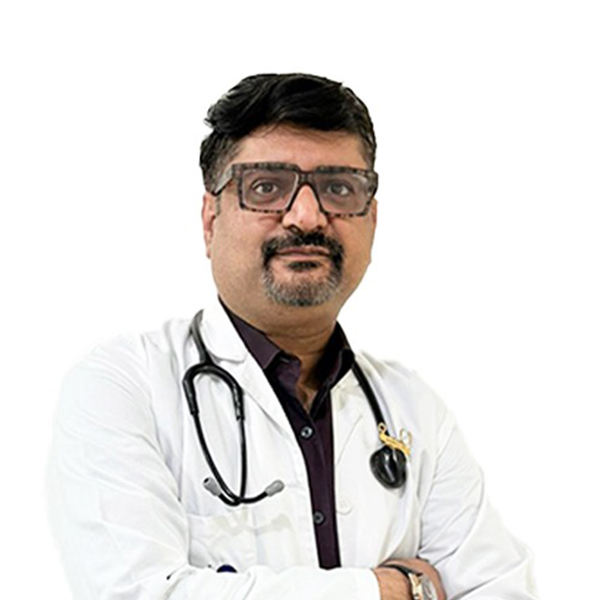
Senior Consultant – Cardiology
Experience: 27+ Years
PrimaCare Clearmedi Multispeciality Hospital,Sector 104, Noida
Consultant - Internal Medicine
Experience: 25+ Years
ClearMedi Radiant Hospital, Vijay Nagar 3rd Stage, Garudachar Layout, Mysuru

Head of Department - Anaesthesia
Experience: 25+ Years
ClearMedi Bahra Multispeciality Hospital, Kurali, NH21, Kharar, Mohali
Epilepsy is a neurological disorder in which a person has a tendency to experience recurrent seizures that are caused by abnormal electrical activity in the brain.
A seizure does not always mean that a person has epilepsy. Seizures can sometimes occur because of other medical problems or temporary changes in the body. This is why a proper assessment matters, particularly after a first episode.
The way epilepsy appears can also vary from one person to another. Some seizures cause noticeable shaking or loss of awareness, while others may be much less obvious.
Understanding what happened before, during and after an episode can give the neurologist useful information when deciding what investigations may be appropriate.
Seizures do not all look the same. Their symptoms can depend on which part of the brain is involved and how the abnormal electrical activity spreads.
Some people may experience:
A person may also feel tired or confused for some time after a seizure.
Because different conditions can produce similar symptoms, it is not advisable to decide on the type or cause of a seizure based only on what it looks like.
Sometimes the cause of epilepsy can be identified, while in other cases there is no clear cause.
Possible causes can include changes in the structure of the brain, previous brain injury, stroke, infections affecting the brain, certain genetic factors and other neurological conditions.
A history of significant head injury or another neurological problem may therefore be important during an assessment.
However, having a seizure does not automatically mean that one of these causes is present. The doctor may need information from the patient's history, examination and diagnostic tests before reaching a conclusion.
This is one reason why a seizure should not simply be dismissed as fainting or treated without understanding what actually happened.
A first unexplained seizure should receive medical attention. You should also speak with a neurologist if episodes are recurring or if you have unexplained periods of lost awareness, unusual movements or confusion.
Urgent medical attention is especially important when a seizure:
ClearMedi states that acute neurological emergencies, including an active seizure, require immediate attention through its emergency services.
There is no single test that can confirm every case of epilepsy.
The evaluation usually begins with a detailed discussion about what happened. The neurologist may ask about the episode itself, how long it lasted, what you were doing beforehand, whether you lost awareness, and how you felt afterwards.
Information from someone who witnessed the episode can also be very helpful because the person having a seizure may not remember everything.
Depending on the situation, investigations may include an EEG, which records electrical activity in the brain. MRI or CT imaging may also be used when the doctor needs to look for structural changes or another possible cause.
ClearMedi's neurology service lists EEG along with MRI and CT as part of its diagnostic technology for neurological conditions.
Treatment depends on the type of seizure, its cause, how frequently it occurs and the person's overall health.
For many people, anti-seizure medicines are an important part of treatment. The choice of medicine and dose depends on the individual situation. Regular follow-up may be needed to determine whether the treatment is controlling seizures and whether any side effects need attention.
Treatment may involve:
Not everyone needs the same medicine or treatment plan. A person who has experienced one episode should not start or stop anti-seizure medication without medical advice.
ClearMedi describes personalised neurological treatment plans and ongoing management for chronic conditions such as epilepsy.
Managing epilepsy is not only about taking medication.
Keeping regular appointments and taking prescribed medicines consistently can be important. Some people may also be advised to pay attention to sleep, alcohol consumption, stress or other factors that may affect their seizure control.
Safety is another important part of living with the condition. Depending on the individual's seizure pattern, the neurologist may discuss precautions related to driving, swimming, working at heights or operating machinery.
The right advice depends on the person's circumstances, so it is better to discuss these issues during a consultation rather than relying on general information found online.
Epilepsy can require ongoing care rather than a one-time consultation. ClearMedi's neurology service in Gwalior provides care for epilepsy and seizure disorders along with other neurological conditions.
The service also has access to diagnostic technology including MRI, CT, EEG and EMG, while its neurology care involves collaboration with other hospital departments when required.
For a patient searching for the Epilepsy Doctor in Gwalior, having neurological consultation, diagnostic support and follow-up within a hospital setting can make the care process easier to coordinate.
ClearMedi Paridhi Multispeciality Hospital is located in Kharar, Gwalior, Punjab, and its listed contact number is +91 9599565977.
The treatment process usually begins with understanding the patient's history and the nature of the episodes.
The next step may involve neurological examination and investigations such as EEG or brain imaging when indicated. Once the findings are available, the neurologist can discuss whether medication or another approach is appropriate.
Follow-up is important because treatment may need adjustment over time. The aim is to control seizures while considering the patient's daily life, safety and overall wellbeing.
If seizures continue despite treatment, the neurologist may need to reassess the diagnosis, medication or other possible treatment options.
Experiencing a seizure can leave you with many questions, especially when you do not know what caused it or whether it may happen again. Getting an accurate assessment can provide a clearer understanding of the situation and help determine whether treatment is necessary.
If you are looking for the Epilepsy Doctor in Gwalior, ClearMedi Healthcare provides neurological evaluation, diagnostic support and ongoing care for epilepsy and seizure disorders.
To discuss your symptoms or arrange a consultation, call +91 9599565977 and speak with the ClearMedi Healthcare team.
FAQ






I recently found myself under your care for a cancer issue. While there, accompanied by my wife, we found that the entire staff at ClearMedi Hospital was exceedingly professional and efficient, from your E.R. receptionists to the cardiac care team. Very proud of your outstanding staff and service.
Sonia Chauhan
I was recently cared for at ClearMedi Hospital following a heart attack. I just wanted to say a few words about the exceptional care I received in the ClearMedi Hospital Cardiac Care Unit and the ICU. All of the doctors and nurses were friendly, pleasant, kind, thorough, conscientious and professional. I am happy to have been in their care.
Purab Singh
I am writing on behalf of my brother who was a patient in your hospital. I would like to thank you on behalf of my entire family for the help and consideration shown to me in what was a very difficult time. Again, I would like to thank you for the services you provide to patients and their families.
Deepal Sinha© Copyright 2026, ClearMedi. All rights reserved.





 Call: 9599565977
