Back discomfort can be caused by something as simple as sitting too long, lifting something heavy, bending incorrectly, or sitting in one position for hours. Sometimes, it settles down in a short time. In certain cases, the soreness lingers, keeps returning, or starts to interfere with sleep, movement, and work.
At ClearMedi Healthcare, we know that there is more to back pain than just a quick fix without knowing what is causing it. Our method starts with recognizing the pattern of symptoms and evaluating the impact of the problem on your everyday life. Depending on our results, we may examine the muscles, joints, discs, nerves, or other structures connected with the spine.
We focus on accurate assessment, suitable therapy, and a practical way toward improved mobility for people who are looking for the back pain doctor in Gwalior.
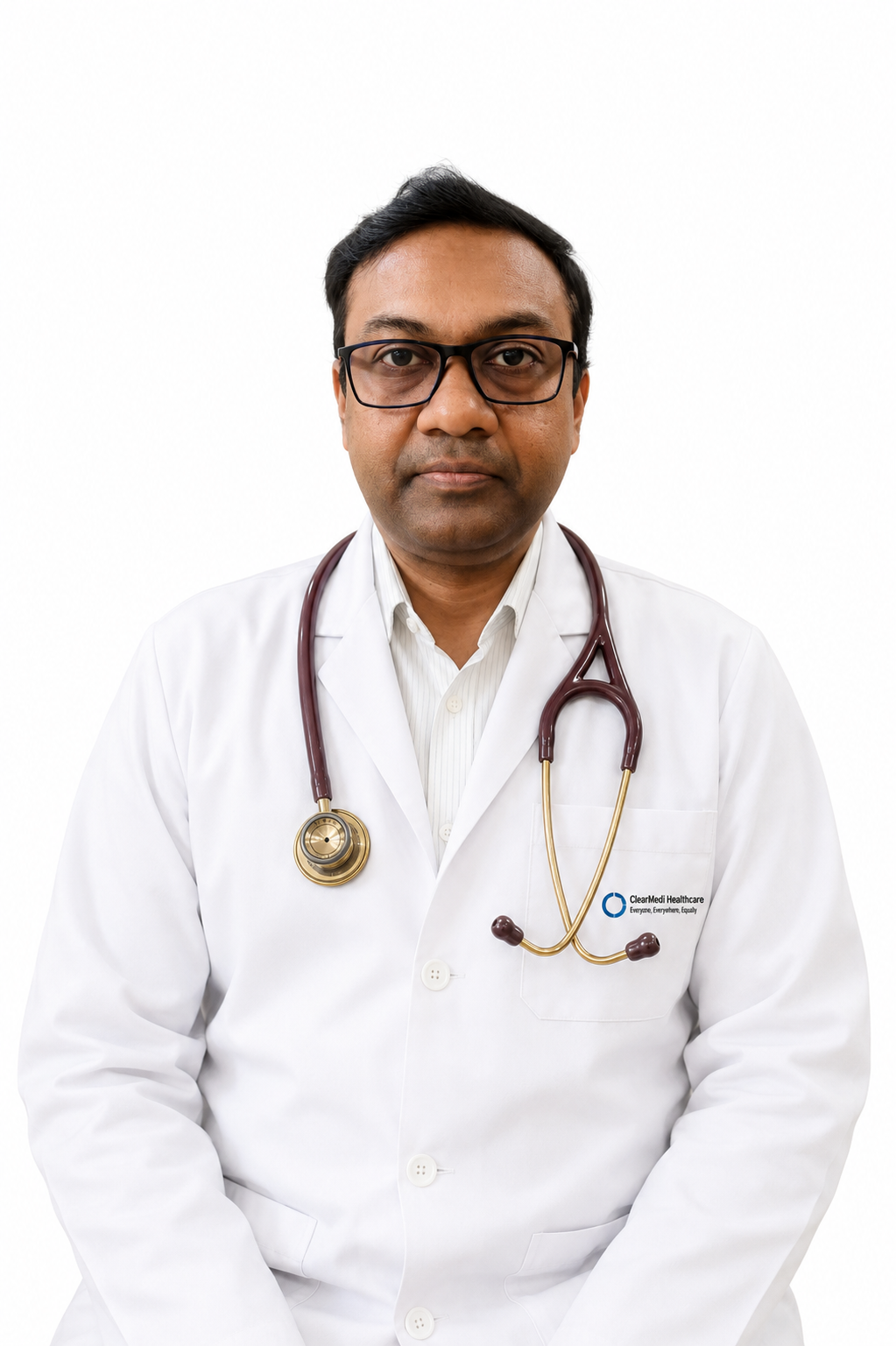
Senior Consultant – Cardiology
Experience: 18+ Years
ClearMedi Bahra Multispeciality Hospital, Kurali, NH21, Kharar, Mohali
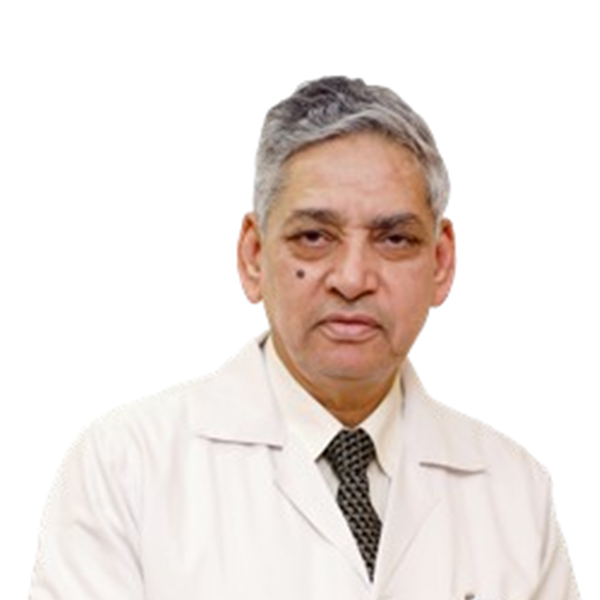
Director - Cardiology
Experience: 50+ Years
ClearMedi Bahra Multispeciality Hospital, Kurali, NH21, Kharar, Mohali
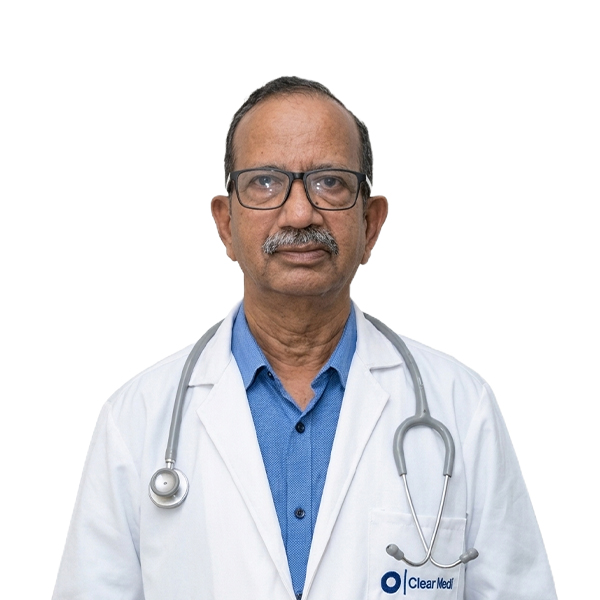
Senior Consultant - Pathology
Experience: 35+ Years
ClearMedi Paridhi Multispeciality Hospital, Kailash Vihar, Tulsi Vihar Colony, Gwalior
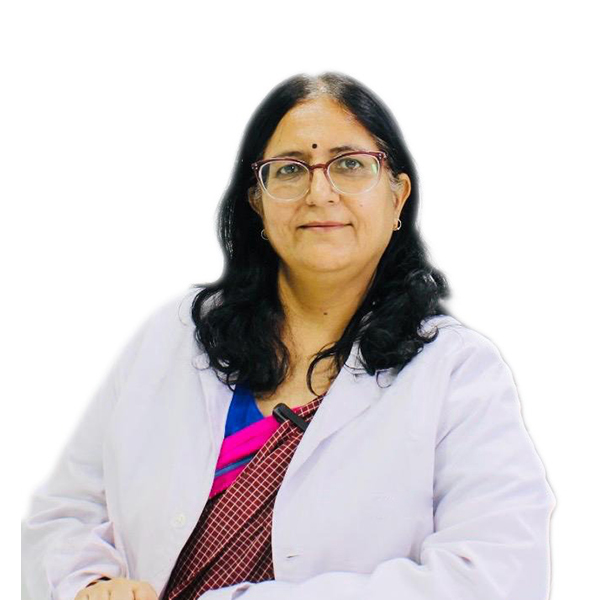
Sr. Consultant- Ophthalmology
Experience: 35+ Years
PrimaCare Clearmedi Multispeciality Hospital,Sector 104, Noida

Consultant - Orthopedics & Joint Replacement
Experience: 29+ Years
ClearMedi Paridhi Multispeciality Hospital, Kailash Vihar, Tulsi Vihar Colony, Gwalior
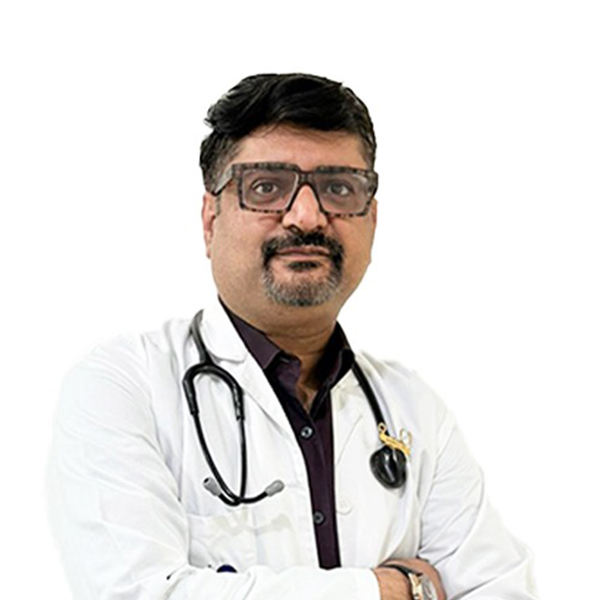
Senior Consultant – Cardiology
Experience: 27+ Years
PrimaCare Clearmedi Multispeciality Hospital,Sector 104, Noida
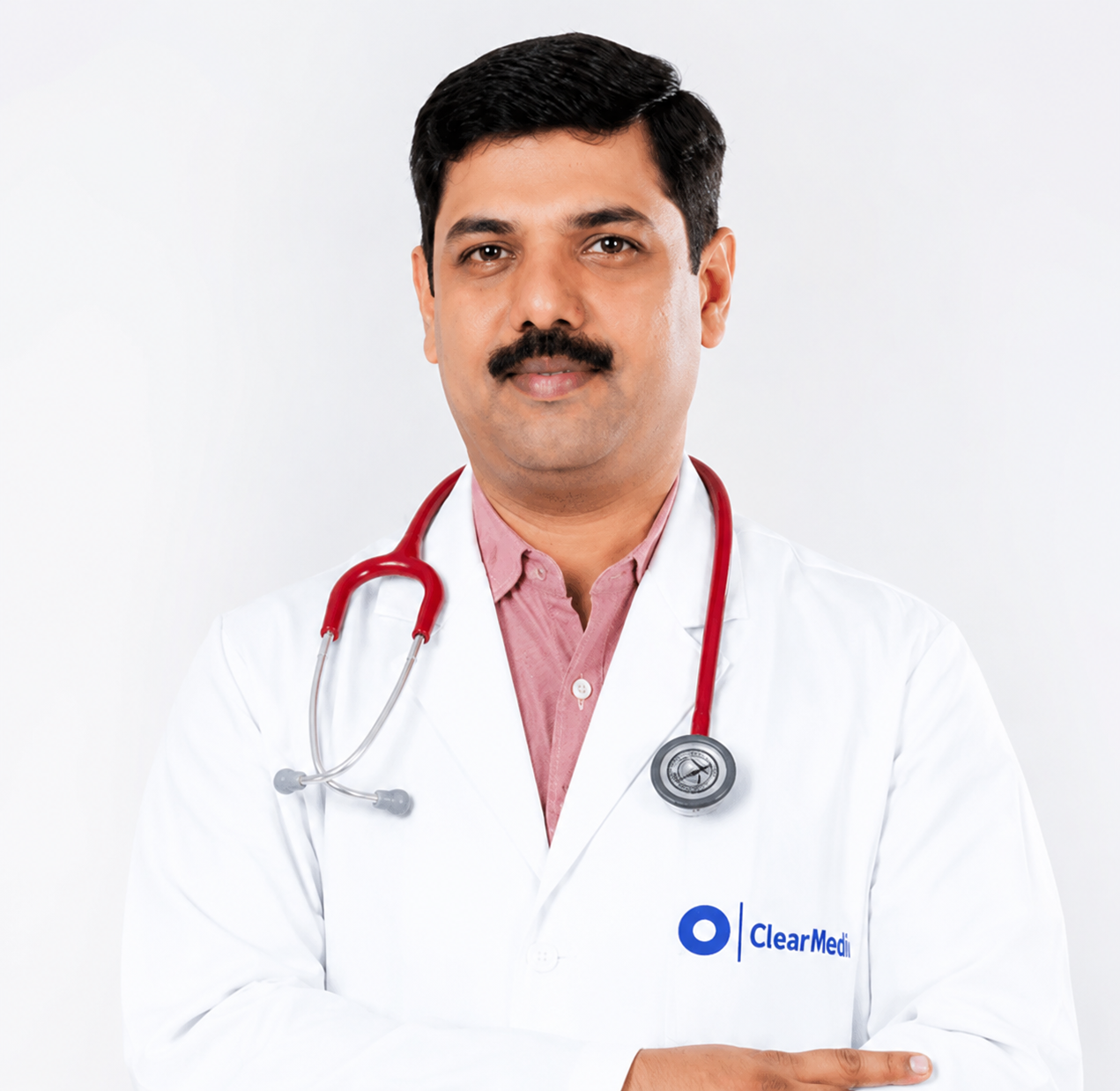
Consultant - Internal Medicine
Experience: 25+ Years
ClearMedi Radiant Hospital, Vijay Nagar 3rd Stage, Garudachar Layout, Mysuru
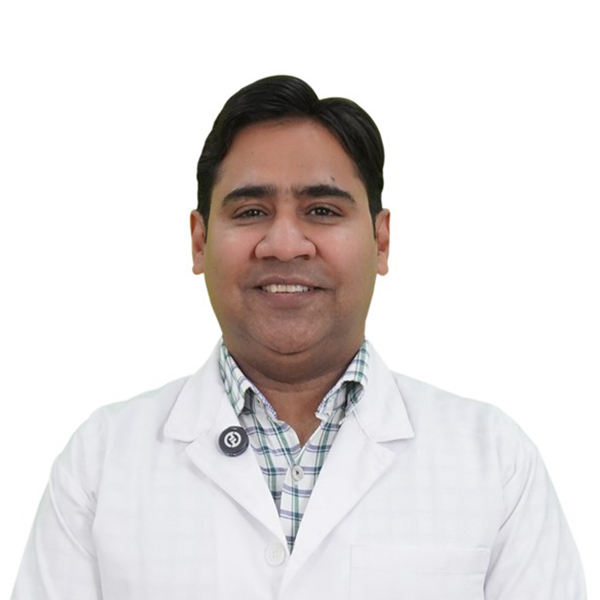
Head of Department - Anaesthesia
Experience: 25+ Years
ClearMedi Bahra Multispeciality Hospital, Kurali, NH21, Kharar, Mohali
The back is a complicated network of bones, disks, joints, muscles, ligaments, and nerves. These structures can become stretched, inflamed, or damaged by an underlying ailment and lead to discomfort.
Common causes include muscle strain, poor posture, prolonged sitting, disk problems, age-related changes, traumas, and certain spinal diseases. In some people, nerve irritation may also be associated with discomfort.
This variation is what makes us reluctant to assume that every episode of back pain should be treated the same way. Knowing the source is vital before deciding what to do next.
Where your symptoms are and how they behave can be very beneficial clinically.
For some people, it is a mild ache in the lower back, while others report it as intense or shooting pain. The pain may stay in the groin or radiate into the buttock or leg. You may sense more stiffness when you first wake up or after sitting for a while.
You might also see:
Not all symptoms mean you have a significant spine issue, but persistent or odd symptoms shouldn’t be ignored without evaluation.
Muscular discomfort may be occasional and might improve with sufficient rest and easy treatments. However, if symptoms return, self-treating can postpone finding the actual problem.
If you have back discomfort, we recommend you get a professional assessment when it:
Sudden severe symptoms or major neurological abnormalities need quick medical treatment.
When you come to see us, we want to hear about your experience first before going straight to a test or therapy.
We inquire when the symptoms began, what could have caused them, how they have changed, and what makes them better or worse. Past injuries, work habits, exercise, and pertinent medical history can also provide background.
Depending on the symptoms, our physical exam may include assessment of posture, spinal motion, muscle strength, reflexes, sensibility, and other indications.
Not all patients require diagnostic imaging. Where clinically appropriate, studies such as X-rays or MRIs may provide further information regarding the spine, disks, joints, or surrounding tissues.
The aim of making a diagnosis is to correlate clinical findings with symptoms, not just to locate something odd on a scan.
Once we have more clarity on the problem, we examine the most relevant management approaches.
Treatment can be started conservatively for many patients. This could include medication if clinically indicated, physiotherapy, mobility rehabilitation, changes to activities, and advice on improving daily habits depending on the cause.
For example, a patient who is healing from an acute injury may require an alternative strategy than someone whose symptoms are heavily influenced by extended sitting.
We are here to get to the bottom of the problem and get you back to normal.
If back discomfort has been there for a while, people tend to be careful about moving. They may not bend, walk, or exercise since they are scared that the activity would aggravate the ailment.
Guided therapy can help to reverse this cycle in appropriate instances.
A physiotherapy program may involve:
We advocate progressive advancement in physical demands, not abrupt leaps. Rehabilitation should be appropriate for the condition and the person's current capacities.
Some back problems are easy to sort out, while others require a more extensive study of the structures of the spine or the nerves.
If symptoms continue, reoccur often, or include neurological signs such as weakness, numbness, or radiating pain, a spine doctor may need to test for a more specific spinal problem.
A specialist evaluation can assist in establishing if ongoing conservative care is suitable or whether further research or aggressive treatment should be explored.
The presence of back discomfort alone does not automatically necessitate a spinal operation.
For most patients, back pain does not mean that an operation is necessary. Surgical or other advanced procedures are explored selectively depending on diagnosis, severity of symptoms, neurological involvement, and response to adequate non-surgical treatment.
Where an advanced option is being explored, we explain the aim and expected outcome, possible hazards, and recovery requirements.
Our aim is to employ the least invasive appropriate choice whenever clinically reasonable, but not to miss severe concerns.
The treatment is not only in the clinic. What you do during the day can also affect how your back feels.
Some people may experience repeated symptoms due to long periods of uninterrupted sitting, poor lifting technique, unexpected increases in exercise, inadequate movement, and repetitive physical strain.
So we talk about practical adjustments and medical care. This could be as simple as taking frequent movement breaks, changing workstation habits, employing safer lifting techniques, and slowly increasing physical activity.
These steps are not a substitute for medical treatment if there is an underlying disease but can help with long-term back health.
We’re not just trying to make the agony go away for a little while. Effective back pain treatment in Gwalior should also focus on the mobility, strength, confidence, and ability of the patient to return to routine activities.
As treatment continues, we consider if you are able to sit, stand, walk, bend, work, or exercise more comfortably.
Conservative care and rehabilitation may lead to improvement for some people. In other cases, more examination or specialized assistance may be necessary. It is not a strict formula for treatment but a path that is right for that individual.
At ClearMedi Healthcare, we emphasize the combination of clinical examination and practical treatment planning.
When a patient comes to see a back pain doctor, we want them to leave with a better understanding of what may be causing their symptoms and what the next step should be.
We do the following:
We understand that every patient has distinct work commitments, activity levels, and rehabilitation goals. And we see that in our treatment plans.
It is fair to monitor minor, short-term back pain when there are no red flag signs. But waiting forever isn't a great strategy when the problem is harming your quality of life.
If your problems are ongoing, getting worse, affecting your sleep, or hindering you from doing daily activities, see a back pain doctor.
Professional assessment is especially crucial when there is weakness, numbness, major trauma, or symptoms that radiate into a limb.
Living with chronic back pain can slowly alter the way you work, walk, and tackle your daily tasks. Learning the reason for your pain can enable you to make a better-informed decision about treatment rather than continuously modifying your routine around the discomfort.
ClearMedi Healthcare, Gwalior, provides organized evaluation and personalized care to patients with back and spine-associated disorders. Our approach to the patients looking for the back pain doctor in Gwalior is to discover the origin of the symptoms and arrange care around the individual’s needs.
Call us at +91 9599565977 to discuss your problems and schedule an appointment with our staff. Contact us today to improve your back health. ClearMedi Paridhi Multispeciality Hospital, Gwalior, is an orthopedic hospital in Kharar, Gwalior, Punjab.
FAQ




I recently found myself under your care for a cancer issue. While there, accompanied by my wife, we found that the entire staff at ClearMedi Hospital was exceedingly professional and efficient, from your E.R. receptionists to the cardiac care team. Very proud of your outstanding staff and service.
Sonia Chauhan
I was recently cared for at ClearMedi Hospital following a heart attack. I just wanted to say a few words about the exceptional care I received in the ClearMedi Hospital Cardiac Care Unit and the ICU. All of the doctors and nurses were friendly, pleasant, kind, thorough, conscientious and professional. I am happy to have been in their care.
Purab Singh
I am writing on behalf of my brother who was a patient in your hospital. I would like to thank you on behalf of my entire family for the help and consideration shown to me in what was a very difficult time. Again, I would like to thank you for the services you provide to patients and their families.
Deepal Sinha© Copyright 2026, ClearMedi. All rights reserved.





 Call: 9599565977
