Others Date: 22 Jan 2026
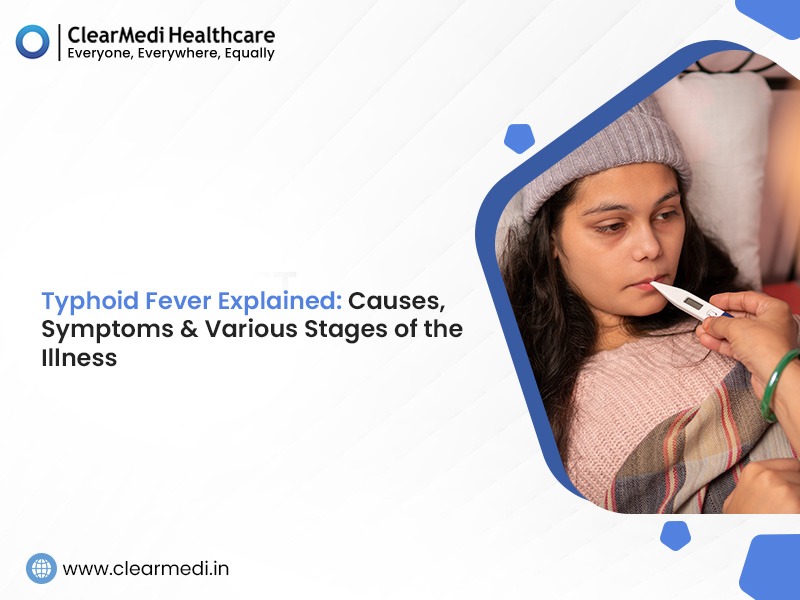
Typhoid fever remains one of the most persistent bacterial infections that can infect many people all around the world. This is a potentially life-threatening disease that continues to pose significant threats continuously, especially in regions with inadequate sanitation and limited access to clean water. It is very important to understand typhoid causes and recognize the symptoms of typhoid, and also understand the disease progression through the four stages of typhoid fever for fast recovery and prevention of severe complications. Visit the general physician in Noida to understand more about Typhoid.
Typhoid is caused by bacteria that invade the bloodstream and multiple organ systems. This disease has earned its name from the Greek word "typhos," meaning smoke, while modern typhoid fever treatments have decreased the mortality rate significantly. This disease continues to be a threat to humankind.
Typhoid is caused by Salmonella typhi, a Gram-negative, rod-shaped bacterium that can show remarkable adaptability and survival capabilities. Some of the major typhoid causes are:
Understanding the typhoid fever causes also includes identifying the risk factors of this disease. Some of the risk factors include:
Early identification of typhoid fever symptoms is very important to improve outcomes. The major symptoms of typhoid fever include:
The four stages of typhoid fever include the four-week complications:
The accurate diagnosis can be done by the best general physician in Noida and depends on clinical suspicion combined with laboratory confirmation, which includes:
The major typhoid fever treatments combine antibiotic therapy with supportive care, which includes:
Our Hospital network is spread across India. From ClearMedi Multi-Speciality Hospital in Mysore to ClearMedi Monark Cancer Hospital in Nanded, and from ClearMedi Paridhi Multispeciality Hospital in Gwalior to Primacare ClearMedi Multispeciality Hospital in Noida, expert care is available. You will also find 24/7 support at ClearMedi DMH Multispeciality Hospital, Varanasi; ClearMedi Bahra Multispeciality Hospital, Kharar; and ClearMedi Radiant Hospital, Mysore.
Typhoid fever remains a significant global health challenge. It is very important to understand the symptoms of typhoid and the stages of typhoid fever for better treatment and improved outcomes. The key to a successful treatment is early intervention, and prevention remains equally important. Follow your internal medicine doctor recommendations regarding antibiotics, nutrition, rest, and follow-up care.
1: What causes typhoid fever?
Typhoid fever is caused by Salmonella typhi bacteria, which can be transmitted through contaminated food or water. The major causes of typhoid include poor water hygiene practices, infected individuals, etc, which can be prevented through good hygiene and vaccination.
2: What are the early symptoms of typhoid fever?
Some of the early symptoms of typhoid include gradually increasing fever, persistent headache, body aches, weakness, cough, and loss of appetite. Constipation in adults, consult the best General physician in Noida, for family diagnosis before the progression of this dangerous disease.
3: What are the warning signs of severe typhoid?
Some of the warning signs of severe typhoid include Rose-colored spots, waking me up here on the trunk of the abdomen, severe abdominal pain, Bloody, organized diarrhea, mental confusion, delirium, extreme weakness, etc Complications like this should not be avoided and should be reported to an internal medicine specialist immediately.
4: How long does it take to recover from typhoid fever?
The recovery can follow four stages of typhoid fever, which typically run between 3 and 4 weeks for proper recovery with antibiotic therapy and vaccination. This treatment can show improvement within 3 to 5 days of treatment initiation.
5: How can typhoid fever be prevented?
The major prevention Strategies for typhoid fever include drinking only boiled water, avoiding street food, practicing proper hygiene habits, improving sanitization in the environment, and identifying chronic carriers to reduce the transmission of the disease.
© Copyright 2025, ClearMedi. All rights reserved.





 Call:
9599565977
Call:
9599565977