Others Date: 22 Jun 2026
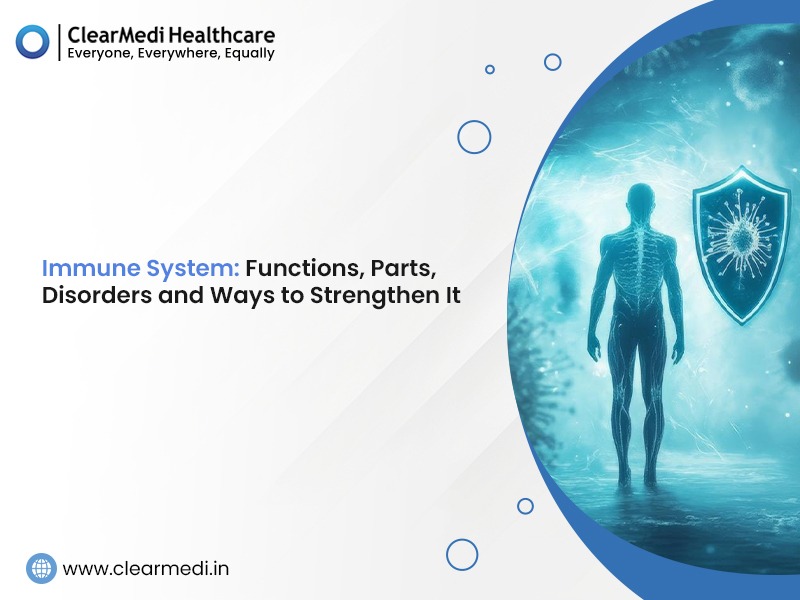
The immune system is the body's natural defense mechanism against harmful microorganisms, infections, and abnormal cells. It consists of a complex network of organs, tissues, cells, and proteins that work together to identify and eliminate threats while maintaining overall health. A strong immune system not only protects against diseases but also supports healing and recovery from injuries.
The immune system is a protective network that helps the body recognize and fight bacteria, viruses, fungi, parasites, and other harmful substances. It continuously monitors the body for threats and responds whenever foreign invaders are detected.
The immune system performs several important functions:
White Blood Cells
White blood cells are the primary defenders of the immune system. They identify and destroy harmful microorganisms and help coordinate immune responses.
Antibodies
Antibodies are specialized proteins that recognize specific germs and help neutralize them before they can cause disease.
Lymph Nodes
Lymph nodes filter harmful substances and store immune cells that help fight infections. They are located throughout the body.
Spleen
The spleen filters blood, removes damaged cells, and stores immune cells that help protect against infections.
Bone Marrow
Bone marrow produces blood cells, including white blood cells that play a vital role in immunity.
Thymus
The thymus helps develop T-cells, which are essential for identifying and destroying infected cells.
Skin and Mucous Membranes
The skin acts as the body's first physical barrier against germs, while mucous membranes trap microorganisms before they enter deeper tissues.
Innate Immunity
Innate immunity is the protection you are born with. It provides a rapid, general defense against harmful invaders and serves as the body's first line of protection.
Adaptive Immunity
Adaptive immunity develops over time through exposure to infections or vaccinations. It creates immune memory, enabling the body to respond more effectively when encountering the same pathogen again.
Allergies
Allergies occur when the immune system overreacts to normally harmless substances such as pollen, dust, or certain foods.
Autoimmune Diseases
In autoimmune disorders, the immune system mistakenly attacks healthy tissues. Examples include rheumatoid arthritis and lupus.
Immunodeficiency Disorders
These conditions weaken the immune system, making individuals more susceptible to infections and illnesses.
Cancer-Related Immune Disorders
Certain cancers, particularly those affecting blood and bone marrow, can impair the body's immune defenses.
A healthcare professional should be consulted if you frequently experience:
Eat a Nutrient-Rich Diet
A balanced diet rich in fruits, vegetables, whole grains, and lean proteins provides essential nutrients that support immune function.
Exercise Regularly
Regular physical activity improves circulation and supports the effective functioning of immune cells.
Get Adequate Sleep
Sleep is essential for immune regulation and recovery. Chronic sleep deprivation may reduce the body's ability to fight infections.
Stay Vaccinated
Vaccines help train the immune system to recognize and combat harmful pathogens before they cause serious illness.
Avoid Smoking
Smoking can impair immune responses and increase the risk of several diseases.
Manage Stress
Long-term stress can negatively affect immune function and overall health. Stress-management techniques such as meditation, yoga, and relaxation exercises may help.
Medical evaluation is recommended if you experience frequent infections, persistent fatigue, unexplained weight loss, prolonged fever, or other symptoms that suggest an immune system disorder. Early diagnosis can help prevent complications and improve treatment outcomes.
The immune system is a sophisticated defense network that protects the body against disease and supports recovery. Maintaining a healthy lifestyle, staying physically active, eating nutritious foods, and following recommended vaccinations can help keep the immune system functioning effectively and contribute to long-term health.
1. What is the primary role of the immune system?
The immune system protects the body from infections, harmful microorganisms, and abnormal cells while supporting healing and recovery.
2. Can immunity be improved naturally?
Healthy eating, regular exercise, adequate sleep, vaccination, and avoiding tobacco can help support immune health.
3. What causes a weak immune system?
Medical conditions, certain medications, chronic stress, poor sleep, and nutritional deficiencies may contribute to weakened immunity.
4. How do vaccines help the immune system?
Vaccines train immune cells to recognize harmful pathogens, enabling a faster and stronger response in the future.
© Copyright 2025, ClearMedi. All rights reserved.





 Call:
9599565977
Call:
9599565977