Cardiology and Cardiac Surgery Date: 01 Jul 2026
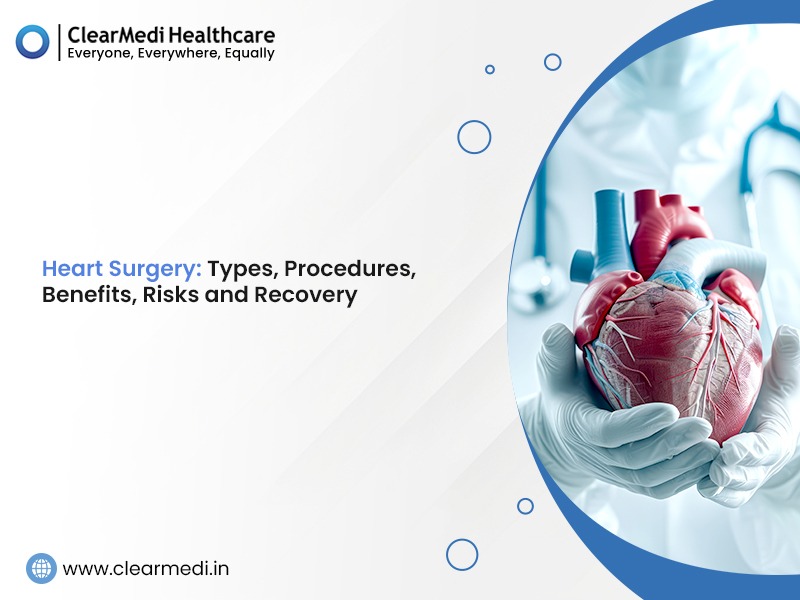
Heart surgery is a specialized medical procedure performed to treat various conditions affecting the heart and blood vessels. It plays a crucial role in managing coronary artery disease, heart valve disorders, congenital heart defects, heart failure, and abnormal heart rhythms. Advances in surgical techniques have significantly improved patient outcomes, making modern heart surgery safer and more effective than ever before.
Today, patients may undergo traditional open-heart surgery, minimally invasive cardiac surgery, robotic-assisted procedures, or catheter-based interventions depending on their diagnosis and overall health condition.
Heart surgery, also known as cardiac surgery, refers to surgical procedures performed on the heart or major blood vessels connected to it. These operations are designed to restore normal heart function, improve blood circulation, repair structural abnormalities, or replace damaged heart components.
Depending on the medical condition, heart surgery may be planned in advance or performed as an emergency procedure.
Doctors may recommend heart surgery when medications, lifestyle modifications, or minimally invasive treatments are no longer sufficient.
Heart surgery may be required for:
The primary goal is to improve heart function, relieve symptoms, and reduce the risk of serious complications.
CABG is one of the most commonly performed cardiac surgeries. It is used to bypass blocked coronary arteries and restore blood flow to the heart muscle.
During the procedure, surgeons use a healthy blood vessel from another part of the body to create a new pathway around the blocked artery.
Heart valve surgery repairs or replaces valves that do not open or close properly.
Commonly treated valves include:
Valve surgery helps restore normal blood flow through the heart and prevents complications such as heart failure.
A heart transplant is performed for patients with end-stage heart failure when other treatments have failed.
The diseased heart is replaced with a healthy donor heart to improve survival and quality of life.
An ICD is implanted to monitor heart rhythm and deliver electrical therapy if life-threatening arrhythmias occur.
A pacemaker helps regulate abnormal heart rhythms by sending electrical signals that maintain a stable heartbeat.
An LVAD is a mechanical pump used in advanced heart failure patients to help the heart pump blood more efficiently.
Cardiac ablation treats abnormal electrical pathways responsible for irregular heart rhythms such as atrial fibrillation.
| Feature | Open Heart Surgery | Minimally Invasive Surgery |
| Incision Size | Large chest incision | Small incisions |
| Recovery Time | Longer | Faster |
| Hospital Stay | Longer | Shorter |
| Pain Levels | Higher | Lower |
| Scarring | More visible | Minimal |
| Surgical Access | Full access to heart | Limited but precise |
Modern minimally invasive and robotic-assisted techniques often result in less blood loss, fewer complications, and quicker recovery for eligible patients.
Patients may require heart surgery if they experience:
Cardiologists determine the need for surgery based on symptoms, imaging findings, and overall cardiovascular health.
Before surgery, patients typically undergo:
The procedure varies depending on the condition being treated.
Heart surgery may involve:
Some procedures require a heart-lung bypass machine, while others can be performed on a beating heart or through minimally invasive approaches.
Although cardiac surgery is highly successful, potential risks include:
The risk profile depends on age, overall health, and the complexity of the procedure.
Recovery After Heart Surgery
Recovery timelines vary by procedure.
Open Heart Surgery
Most patients require approximately 6–12 weeks for recovery.
Minimally Invasive Procedures
Recovery is generally faster and may take only a few weeks.
Long-term success depends on maintaining heart-healthy habits:
These measures help reduce the risk of future cardiovascular events.
Modern heart surgery has significantly improved survival and quality of life for millions of patients worldwide. Outcomes depend on:
Many patients live for decades after successful heart surgery and return to normal daily activities.
Seek medical attention if you experience:
Prompt treatment can help prevent serious complications.
Heart surgery remains one of the most effective treatments for serious cardiovascular diseases. Whether performed through traditional open-heart methods or advanced minimally invasive techniques, these procedures can restore heart function, improve symptoms, and extend life expectancy. Early diagnosis, expert surgical care, and long-term lifestyle modifications are essential for achieving the best outcomes.
1. Is heart surgery always open-heart surgery?
No. Many procedures can now be performed using minimally invasive or robotic-assisted techniques.
2. How long does heart surgery take?
Depending on the procedure, surgery may take between two and six hours. CABG often requires three to six hours.
3. Is heart surgery safe?
Advances in technology and surgical expertise have made heart surgery increasingly safe, though all procedures carry some risk.
4. How soon can I return to work after heart surgery?
Most patients return within several weeks to a few months, depending on recovery and job demands.
5. Can I live a normal life after heart surgery?
Yes. Many patients return to normal activities and enjoy a significantly improved quality of life after recovery.
© Copyright 2025, ClearMedi. All rights reserved.





 Call:
9599565977
Call:
9599565977