Lungs and Chest Date: 19 Nov 2025
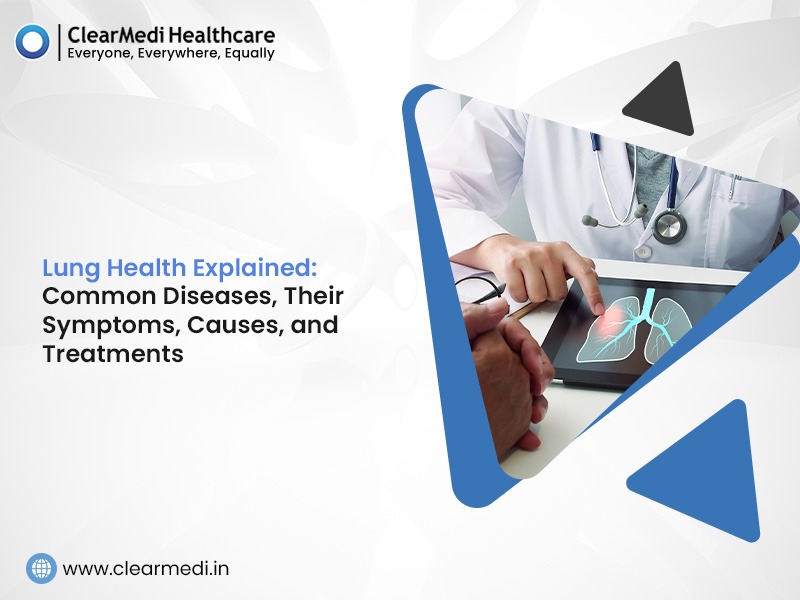
Your lungs are the most remarkable organs of your body, which help you to take approximately 20,000 breaths each day to supply your body with life-sustaining oxygen. Understanding the lungs' function is very important for maintaining good health and overall quality of life. Many common symptoms, causes, and treatments need to be understood for the protection of your lung health. This comprehensive guide will help you understand the warning signs related to lung diseases and also tell you when to consult a lung doctor.
The most critical task performed by the lungs is gas exchange, that is, when you inhale, the air travels down the trachea into the bronchial tubes, providing oxygen to the body. After this, the oxygen goes into the bloodstream through the thin capillary walls, and carbon dioxide moves out of the body when you exhale. But beyond gas exchange, there are other vital roles of lungs such as filtering small blood cells, regulating blood PH, protection from inhaled pathogens and irritants, voice production, and maintaining fluid balance in the body.
There are many diseases which are associated with the lungs such as asthma which is the chronic inflammatory disease where the airways become narrowed and swollen, another disease is COPD, it is a progressive lung disease that obstructs air flow making the breathing increasingly difficult overtime, the third disease is pneumonia which may fill your lungs with fluids or puss making it difficult to breathe, another dangerous complication is lung cancer this occurs when the cells in the lungs grow abnormally and uncontrollably interfering the lungs function. Tuberculosis is a contagious bacterial infection that affects the lungs, but can also spread to other organs. Other dangerous diseases include pulmonary embolism, interstitial lung disease, bronchitis, etc.
There are many symptoms of lung diseases that can be noticed and reported to the lung specialist.
If you notice these symptoms, consult a qualified lung disease doctor in Mohali for specialised care of these Complex diseases.
Minor respiratory problems are normal and can be treated with supportive care, but some signs warrant immediate medical attention, such as severe shortness of breath, chest pain, coughing up blood, blue lips, high fever, confusion, or anxiety. If you notice the symptoms, book a consultation with the lung specialist in Mohali or your local area.
There are many prevention strategies with which we can protect your long-term lung health. Some of the strategies are:
A lung specialist, also known as a pulmonologist, is a trained physician for maintaining the respiratory system's well-being. What a lung specialist does:
The best lung doctor in Mohali will listen to your concerns carefully, explain the treatment clearly, offer comprehensive diagnostic capability, and provide coordinated care with other specialists when required.
Our Hospital network is spread across India. From ClearMedi Multi-Speciality Hospital in Mysore to ClearMedi Monark Cancer Hospital in Nanded, and from ClearMedi Paridhi Multispeciality Hospital in Gwalior to Primacare ClearMedi Multispeciality Hospital in Noida, expert care is available. You will also find 24/7 support at ClearMedi DMH Multispeciality Hospital, Varanasi; ClearMedi Bahra Multispeciality Hospital, Mohali; and ClearMedi Radiant Hospital, Mysore.
Your lungs continuously work to keep you alive. Understanding how to protect them is very crucial; not addressing the persistent respiratory symptoms or delaying seeking care leads to more complications. Early intervention often leads to better outcomes and can prevent small problems from becoming serious in time, whether you are managing conditions like Asthma or COPD, or if you are dealing with a normal cough, always remember that expert help is available. If you experience any concerning symptoms about your respiratory health, reach out to the top lung specialist in your area today. Implementing preventive strategies will significantly improve your respiratory health, and your future self will thank you!
1. What are the most common lung diseases and their symptoms?
The most common lung diseases are airway diseases like asthma, COPD, etc. The lung tissue diseases include pulmonary Fibrosis, pneumonia, and lung cancer. The lung circulation diseases include pulmonary hypertension. Common warning signs include cough, shortness of breath, no excretion, chronic chest pain, etc.
2. How is asthma diagnosed and treated?
The diagnosis of asthma is made on the basis of the medical history of the patient. Many tests are conducted for proper evaluation, and lung function tests like spirometry are conducted for proper diagnosis. These tests are to be done after the administration of asthma medications.
3. How do environmental factors like smoking and pollution impact lung health?
Smoking and pollution significantly impact long-term health. Cigarette smoke contains almost 7000 chemicals and is responsible for 90% of the lung cancer cases. Air pollution weakens lung functioning and causes inflammation and stress on the body.
4. What treatment options are available for different lung diseases?
Many treatment options are available for different lung diseases, such as advanced procedures like therapies for people with advanced COPD and surgical options, which may include lung volume reduction surgery, lung transplant, etc.
5. How can lifestyle changes improve lung health and prevent disease?
Lifestyle changes can improve long-term health and prevent diseases significantly. Quit smoking as a Priority, exercise regularly, maintain good nutrition and diet, improve the indoor air quality, practice deep breathing exercises, and get regular checkups done.
© Copyright 2025, ClearMedi. All rights reserved.





 Call:
9599565977
Call:
9599565977