Endocrinology and Diabetes Date: 26 Jan 2026
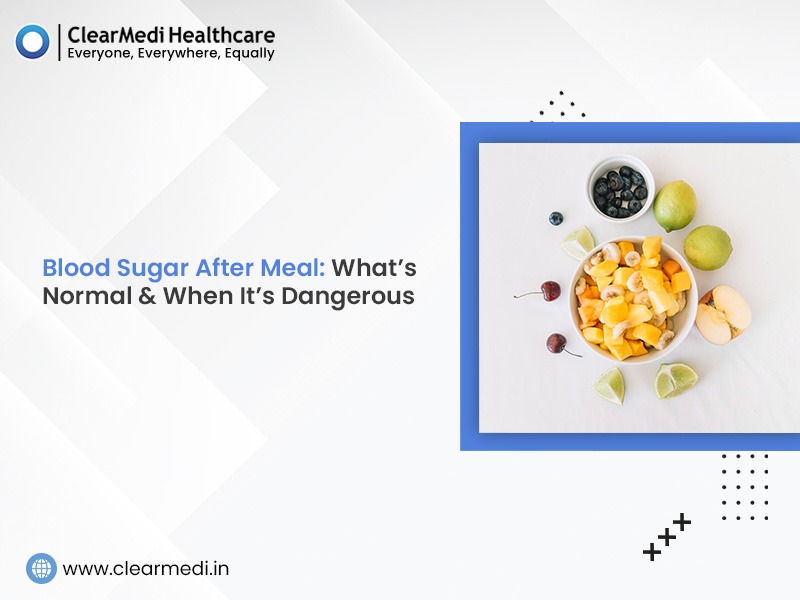
Blood sugar regulation is one of the most critical metabolic functions of the body, which directly impacts organ health and long-term wellness. The blood sugar after meal is as important as fasting blood glucose in medical assessments, and sometimes, more revealing tests can disclose information about metabolic health and diabetes risk. It is crucial to understand what causes an abnormal sugar level after eating and to recognize whether the blood sugar level after a meal is dangerous or not. As a result, serious complications like kidney damage can occur along with other acute dangers. A consultation with an internal medicine doctor is necessary.
When you eat carbohydrates, your digestive system breaks them down into glucose, which is the source of energy for the body. This glucose then enters the bloodstream and initiates the pancreas to release insulin. Insulin is a hormone that allows glucose to enter cells for energy storage. The sugar level typically rises after 30 minutes of a meal and peaks around 60-90 minutes after the meal. It gradually returns to the normal level after a few hours.
The normal sugar level after meal depends on the timing and the individual factors; some instructions to be observed to interpret the same are :
Many people with moderately elevated blood sugar levels can experience no symptoms; however, higher or prolonged elevations may cause:
Our Hospital network spreads across India. From ClearMedi Multi-Speciality Hospital in Mysore to ClearMedi Monark Cancer Hospital in Nanded, and from ClearMedi Paridhi Multispeciality Hospital in Gwalior to Primacare ClearMedi Multispeciality Hospital in Noida, expert care is available. You will also find 24/7 support at ClearMedi DMH Multispeciality Hospital, Varanasi; ClearMedi Bahra Multispeciality Hospital, Kharar; and ClearMedi Radiant Hospital, Mysore. An increased blood sugar level results in many complications, such as kidney Disease, neuropathy, retinopathy, and transmission risk. It is crucial to practice strategies for balancing blood sugar levels after meals, such as carbohydrate counting, protein, fibre, and portion control at all times. Seek evaluation from the best diabetes doctor in Mohali in case you experience symptoms like vision changes, numbness, slow-healing wounds, etc.
Click Here: General physician in Noida
1. What is normal blood sugar after a meal?
A normal sugar level after a meal for a nondiabetic patient should be 140 mg/dL, and this must be at least 2 hours after the meal. Diabetes occurs when 2-hour postprandial glucose consistently exceeds 200 mg/dL.
2. What is a dangerous blood sugar level after eating?
A blood sugar level above 300 mg/dL is very threatening, and levels exceeding 400 mg/dL require immediate medical attention, as they can amount to a medical emergency.
3. When should blood sugar be checked after a meal?
Sugar level after a meal should typically be checked 2 hours after eating, using a standard medical measurement time point. Consistent timing can ensure accurate comparison. Use home glucose meters or continuous glucose monitors for the exact status.
4. What causes high blood sugar after meals?
High blood sugar after a meal can result from insufficient insulin production, insulin resistance, excessive carbohydrate intake, glycemic index foods, large portions, activity stress, illness, certain medications, dehydration, and poor sleep.
5. When should I see a doctor for high post-meal blood sugar?
Consult a diabetes doctor in Mohali immediately if the blood sugar level often exceeds 180 mg/dL. You should also consult excessive thirst, frequent urination, dehydration, and unexplained weight loss, etc.
© Copyright 2025, ClearMedi. All rights reserved.





 Call:
9599565977
Call:
9599565977