Gaestroenterology Date: 16 Jan 2026
Piles is medically termed as hemorrhoids and it is the one of the most disease in the entire world in this disease men suffer due to embarrassment but this condition should be treated on time or it can turn into a serious health condition for this we need to understand know about piles in men along with other aspects like piles causes and how to recognise a symptoms of piles. Visit the best gastroenterologist in Noida for more information on piles.
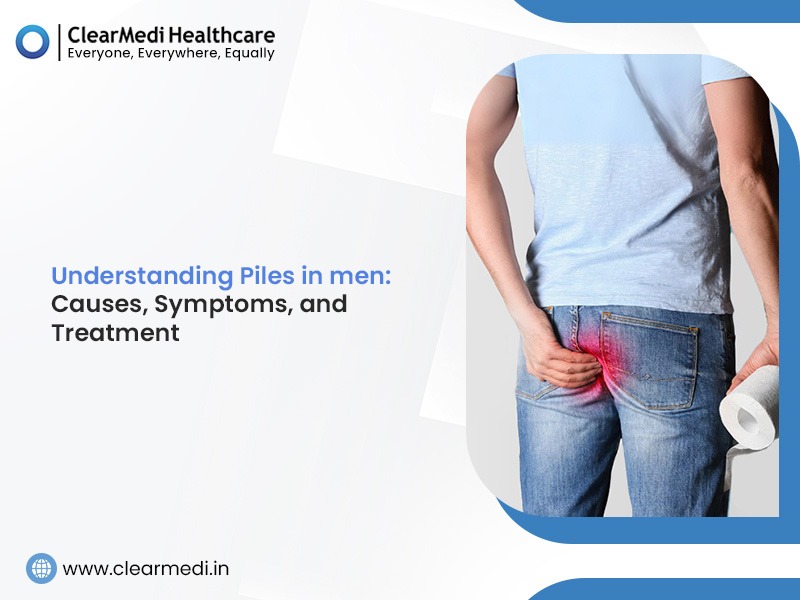
Piles in men can occur internally or externally under the skin around the anus when blood vessels become enlarged due to increased pressure or strain. They develop a condition known as piles, internal hemorrhoids develop inside the rectum, which are usually painless. But they may bleed during bowel movements. The external hemorrhoids are formed under the skin around the anus and can be extremely painful.
The major piles causes in men include:
Also Read: Understanding Chronic Kidney Disease (CKD): Symptoms, Stages & Treatment Options
Early recognition of piles symptoms is essential, as it can enable timely intervention and prevent the progression of the disease. The major symptoms of Piles are:
Visit the Best Gastroenterologist in Noida immediately if you notice these symptoms.
Also Read: Hepatitis Diagnosis: Early Signs, Vaccination, and What Happens Next
If this disease is left untreated for an extended period of time, it can result in many complications, which can result in some symptoms such as:
In medical gastroenterology, the comprehensive evaluation of piles includes:
The treatment strategies can range from conservative management to surgical intervention for piles. These approaches include dietary modifications, warm baths, activity modifications, pain management, electrocoagulation, rubber band ligation, and surgical interventions like hemorrhoidectomy, hemorrhoidal artery ligation, laser hemorrhoidoplasty, etc. Other prevention strategies include regular physical activity and bowel habit, optimization of weightlifting techniques and nutrition, along with smoking cessation.
Our Hospital network is spread across India. From ClearMedi Multi-Speciality Hospital in Mysore to ClearMedi Monark Cancer Hospital in Nanded, and from ClearMedi Paridhi Multispeciality Hospital in Gwalior to Primacare ClearMedi Multispeciality Hospital in Noida, expert care is available. You will also find 24/7 support at ClearMedi DMH Multispeciality Hospital, Varanasi; ClearMedi Bahra Multispeciality Hospital, Kharar; and ClearMedi Radiant Hospital, Mysore.
Piles in men are a manageable condition when addressed with proper medical care and lifestyle modifications. Along with this, this condition needs to be diagnosed in the early stages as it can lead to several serious complications in the later stages, which can even lead to permanent tissue damage, so do not let embarrassment prevent you from seeking help. Medical gastroenterology offers many procedures to address piles in men, from managing inflammation and itchiness to preventing anaemia and blood clot complications.
Also Read: 7 Signs You Need to See a Gastroenterologist Immediately
1: What causes piles in men?
Piles in men develop due to increased pressure on the rectal veins. Some of the primary causes of piles include diarrhoea, obesity, sedentary lifestyle, weightlifting, aging, poor dietary habits, and genetic predisposition.
2: What is the best treatment for piles in men?
The best treatment for piles in men includes dietary changes, fibre supplements, conservative management, pain management, and surgical interventions such as hemorrhoidectomy, hemorrhoidal artery ligation, etc.
3: Are piles common in men of all ages?
Yes, piles are common in men of all ages; the prevalence of this disease can increase with age. Men between 45 and 55 years of age experience higher rates of weakening tissues; however, young men aren't immune to some lifestyle factors, such as obesity, poor diet, and heavy weightlifting, which contribute to early onset.
4: How long does a pile take to heal in men?
Healing time varies depending on the severity of the condition. Moderate cases can be treated with the help of a gastrosurgeon and can heal in two to four weeks, and some serious cases can take 4 to 6 weeks of recovery under anaesthesia.
5: What are the stages or grades of piles in men?
Grade 1 indicates internal hemorrhoids that bleed but don't protrude, grade 2 indicates hemorrhoids that protrude during bowel movements, grade 3 hemorrhoids, which protrude and require manual pushing back, and grade 4 hemorrhoids, which are permanently prolapsed and cannot be repositioned.
© Copyright 2025, ClearMedi. All rights reserved.





 Call:
9599565977
Call:
9599565977