Cardiology and Cardiac Surgery Date: 08 Dec 2025
Heart disease continues to be a leading health concern all over the world. The statistics are alarming, with a huge portion of the population facing elevated risks. While medical advancements offer hope, the rising rate of heart disease is linked to modern lifestyles and eating habits. Visit a heart specialist in Gwalior to get better insights on the same.
Early detection saves lives. But too often, symptoms of heart disease are ignored or misunderstood.
If you experience any of these, don’t wait—visit our trusted heart specialist hospital in Gwalior immediately.
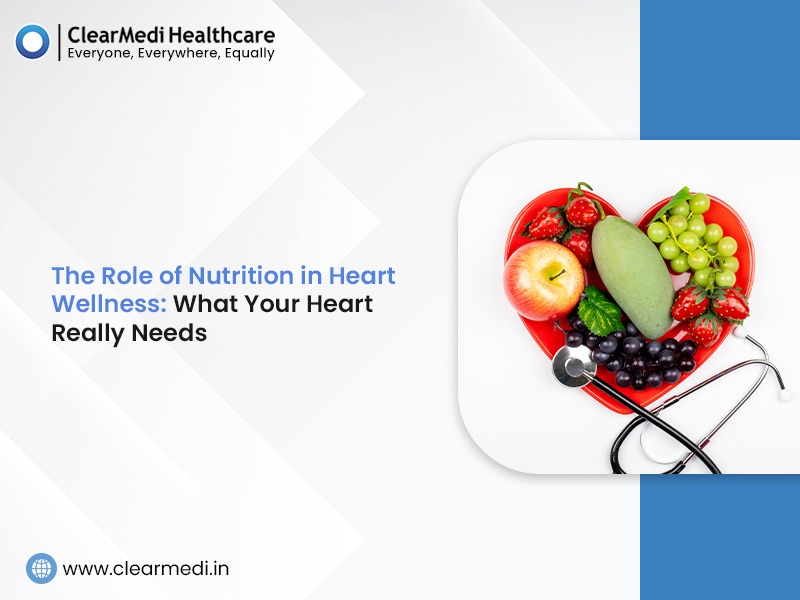
These are foods that are beneficial for heart health and include all the nutrition-rich options that can support cardiovascular health. They include many options such as fatty fish, omega-3 fatty acids, whole grains, oats, brown rice, kinua, which reduces the cholesterol, leafy vegetables, which can offer vitamins, minerals, and antioxidants, nuts like almonds, walnuts, which can provide healthy fats and proteins, and other types of heart-healthy foods which include berries, legumes, avocados, dark chocolates, etc.
The question of how to keep your heart healthy depends on your daily habits and preventive care. It involves regular physical activity, for which we can aim for 150 minutes of exercise daily, managing your stress through meditation or yoga, maintaining a healthy weight which can reduce inflammation, adequate sleep for 7 to 9 hours daily, eating a heart healthy diet consumption of vegetables, fruits, whole grains, lean proteins and healthy fats, limiting harmful substances alcohol and cigarettes and going for regular health screenings for monitoring blood pressure, blood sugar and cholesterol. Visit a heart specialist in Gwalior to get better guidance.
A heart-healthy diet follows a Dash diet principle, which begins with consuming berries and nuts, consuming Omega-3 fatty acids twice a week, eating half a plate of fruits before each meal, snacking on raw nuts, fruits good for the heart, and vegetable sticks instead of packaged foods, and maintaining proper hydration through water and non-sweetened beverages. A cardiovascular diet can result in disease prevention through evidence-based nutritional strategies. Heart patients should consume leafy Greens, more fibre, more potassium, and avoid excess salt, sugar, or unhealthy fats.
There are the top 10 ways to keep a healthy heart, maintain good cardiovascular health, such as:
This can be achieved through lifestyle modifications such as eliminating the consumption of trans fats and increasing the intake of soluble fibre through oats, beans, and fruits for reducing cholesterol. Blood pressure can be controlled by increasing the intake of potassium along with regular exercise. A diet good for heart blockage patients should be adopted in case significant symptoms are noticed. Visit our trusted heart specialist hospital in Gwalior if symptoms of heart blockage are observed.
This involves addressing multiple factors such as BP, cholesterol, diabetes, obesity, etc.; an anti-inflammatory diet; regular physical activity; stress management; proper sleep; and, most importantly, understanding the warning signs, like chest discomfort, shortness of breath, etc., and taking preventive measures can reduce the risk of a cardiovascular complication.
This involves comprehensive heart care, which includes physical, emotional, and preventive health monitoring. Identifying signs plays a crucial role in managing heart health. Seek professional support when required. Building a healthcare team that includes the primary care physician and other specialists is vital, along with regular screenings based on age and risk factors.
Across the Clearmedi healthcare network, you are in good hands. From Clearmedi Monark Cancer Hospital in Nanded to Clearmedi Multi-Speciality Hospital in Mysore, and from Clearmedi Paridhi Multispeciality Hospital in Gwalior to Primacare Clearmedi Multispeciality Hospital in Noida, trusted care is available. You will also find expert support at Clearmedi DMH Multispeciality Hospital, Varanasi, Clearmedi Bahra Multispeciality Hospital, Mohali, and Clearmedi Radiant Hospital, Mysore.
Heart health can be maintained by controlling your daily choices and lifestyle habits. The fundamental input for managing heart disease remains the same: a healthy body with a nutrient-rich diet, so don't wait; start today for a positive change.
Also read: Heart Health For Busy People: Easy Tips To Follow
FAQs
1. What is the connection between nutrition and heart health?
There is a strong connection between nutrition and heart health, as nutrition directly influences cardiovascular health through conditions like cholesterol levels, blood pressure, and inflammation etc. Poor dietary choices increase cholesterol levels and blood pressure and promote inflammation, which are the leading causes of heart disease. Hence, consuming a nutrient-rich diet, including antioxidants, healthy fats, fibres, and vitamins, is very necessary for your heart health.
2. Are oily and fried foods harmful to heart health?
Yes, consuming oily and fried foods is harmful for heart health as trans fats and oxidised oils increase cholesterol and promote inflammation. These foods can also result in weight gain and other metabolic problems, which can directly contribute to decreased heart health. A good eating pattern is required for a healthy heart.
3. Are supplements necessary for heart wellness, or is food enough?
Many individuals may require supplements like Omega-3, Vitamin D, etc, but these supplements are mainly required for highly deficient people. We should always consult an expert before starting any supplement or medication, as they can prescribe the optimal combination of food and supplements.
4. How do conditions like high blood pressure or diabetes alter the nutrition required for the heart?
Conditions like high blood pressure and diabetes can affect our diet. For patients with high blood pressure, strict restriction on sodium intake is advised, with an increase in potassium, magnesium, and Calcium intake. Secondly, diabetes demands strict control over the intake of carbohydrates and regulating the meal timings.
5. When should I meet a nutritionist for heart-health guidance?
If you have an existing heart disease, it is advisable to consult a nutritionist for managing high cholesterol, high blood pressure, and diabetes, as a nutritionist can help in weight management and personalized meal planning for good cardiovascular health.
© Copyright 2025, ClearMedi. All rights reserved.





 Call:
9599565977
Call:
9599565977