Cancer Care Date: 30 Jul 2025
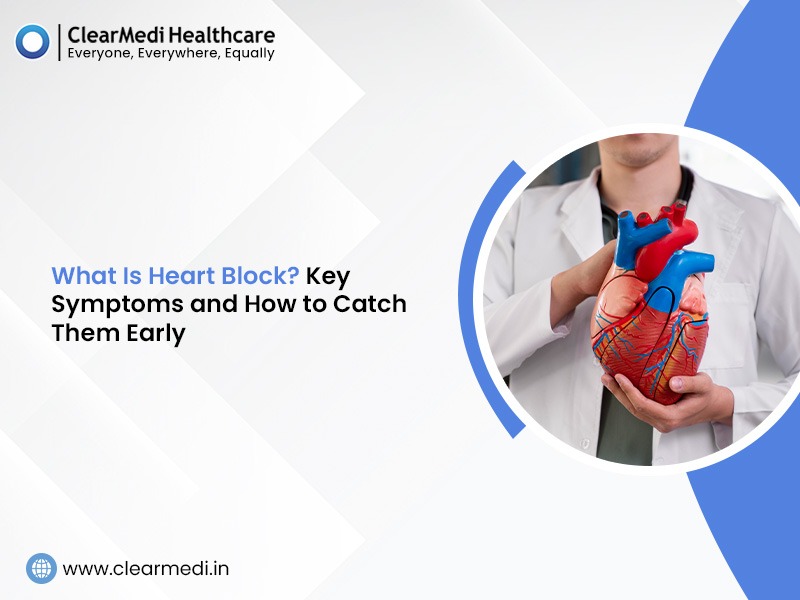
Heart block isn't what it sounds like. It's not a blockage in the arteries. It's a problem with how electrical signals move through the heart. These signals are what tell the heart to beat. If they slow down or get interrupted, the heart starts to lose its rhythm or slows down too much. That's what doctors call a heart block.
As it has been noticed at the best heart hospital in Mysore, in most cases, it's barely noticeable. In others, it can make you feel faint, tired, or short of breath. Left unattended, it can lead to more significant problems. The good news is that it's usually easy to spot with the right tests. The trick is knowing what to look out for early on.
Each heartbeat starts with an electrical pulse from a small area at the top of your heart. This signal travels through a pathway, telling each part of the heart when to contract. It keeps everything in sync: top chambers first, then bottom.
In a heart block, that signal is either delayed or blocked completely. It might slow down at one point or fail to reach the bottom part of the heart. The result is a slower, irregular, or uncoordinated heartbeat.
Doctors usually group heart block into three types:
The heart specialist in Gwalior explains that mild heart block can occur without any warning signs. However, when symptoms do appear, they're often vague and easy to attribute to other causes. That's why it's worth paying attention to small changes, especially if they happen frequently or start to affect your day.
Things to look out for:
These signs aren't always linked to heart block, but if they keep showing up, they should be checked.
This condition can affect anyone, but certain groups are at a higher risk. Older adults are more likely to develop changes in their heart's electrical system over time. But it can also happen in younger people, especially if there's an underlying cause.
A few common factors include:
In some cases, it appears without a clear cause, but even then, it can be managed effectively if detected early.
If the heart specialist in Gwalior or other locations where you are being diagnosed suspects heart block, the first step is usually an ECG (electrocardiogram). This test records the electrical activity of your heart and can usually spot if something is slowing the signal down.
But because some symptoms come and go, a single ECG might not always catch it. That's where portable monitors come in. You might be asked to wear a Holter monitor for 24–48 hours or longer. This device tracks your heartbeat while you go about your day.
In more complex cases, you may be referred for an electrophysiology study to take a closer look at how signals move through your heart.
Treatment depends on the type and severity of the block. If it's mild and not causing any trouble, you might not need any treatment at all, just regular follow-up.
However, if it's causing you to faint, feel weak, or if your heart is skipping too many beats, a pacemaker may be recommended by the medical experts at the best heart hospital in Mysore. This is a small device that's fitted under the skin and helps keep your heartbeat steady. For many people, it can restore their energy and allow them to get on with life without interruptions.
Heart block doesn't always feel dramatic. It can begin quietly, with symptoms such as tiredness or occasional dizziness. However, over time, those small symptoms can develop into more significant concerns, especially if your heart isn't functioning as well as it should.
Getting checked early gives you more options. It also helps rule out other issues and gives you peace of mind. If you sense that something feels off, even if it seems minor, it's worth taking a closer look.
Heart blocks can begin quietly, with signs that are easy to overlook. But paying attention to these early signals can make a real difference. Whether it's occasional dizziness, persistent tiredness, or something that doesn't feel right, it's worth getting checked.
Across the ClearMedi Healthcare network, you're in good hands. From ClearMedi Monark Cancer Hospital in Nanded to ClearMedi Multi-Speciality Hospital in Mysore, and from ClearMedi Paridhi Multispeciality Hospital in Gwalior to PrimaCare ClearMedi Multispeciality Hospital in Noida, trusted care is available. You'll also find expert support at ClearMedi DMH Multispeciality Hospital, Varanasi, ClearMedi Bahra Multispeciality Hospital, Mohali, and ClearMedi Radiant Hospital, Mysore.
In Gwalior, Dr. Dheeraj Jeswani, Consultant in Interventional Cardiology, brings 15 years of focused experience in managing heart rhythm conditions. His clinical approach is built around timely diagnosis, clear communication, and personalised care.
Wherever you are, early attention can help your heart stay steady and strong.
Also Read About:
© Copyright 2025, ClearMedi. All rights reserved.




 Call:
9599565977
Call:
9599565977