Others Date: 16 Jun 2026
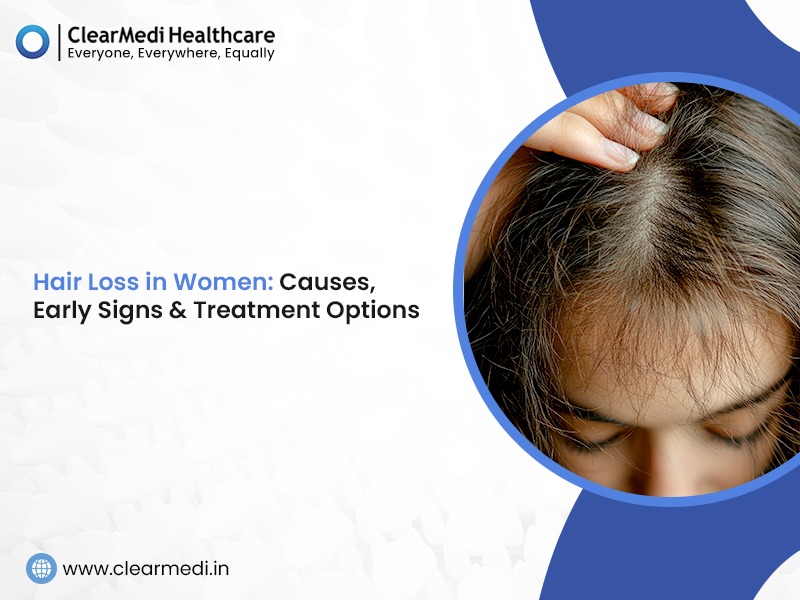
Hair loss in women can be emotionally stressful, especially when it starts affecting confidence, appearance and daily life. While losing a few hair strands every day is normal, excessive shedding, visible thinning or a widening hair part may indicate an underlying concern that needs medical attention.
On average, people naturally shed around 50 to 100 hairs a day. However, when hair fall becomes noticeably heavy or continues for a long time, it may be a sign of hair loss, also known as alopecia. In women, this condition can occur due to hormonal changes, stress, nutritional deficiencies, medical conditions, medications or genetic factors.
Hair loss in women refers to unusual or excessive hair shedding that causes thinning, bald patches or reduced hair volume. It may appear gradually or suddenly, depending on the cause. Some women notice more hair on their pillow, in the shower drain or on their comb, while others may see their scalp becoming more visible.
Hair growth follows a natural cycle that includes a growing phase, transition phase and resting phase. When this balance is disturbed, more hair may fall out than the amount growing back, leading to visible thinning over time.
Hair loss does not always appear as complete baldness. In many women, the signs are subtle in the beginning and become more noticeable with time.
Common signs may include:
Ignoring these symptoms may delay diagnosis. Early consultation with a dermatologist can help identify the reason and start suitable treatment.
Female pattern hair loss is one of the most common types of hair thinning in women. It usually causes gradual thinning over the top of the scalp and may become more visible with age, family history or hormonal changes.
This type of hair loss happens when many hair follicles enter the resting phase at the same time. It may occur after stress, illness, surgery, childbirth, sudden weight loss or nutritional imbalance. In many cases, this type of shedding improves once the trigger is managed.
Anagen effluvium usually occurs when hair follicles in the active growth phase are affected. It may happen due to certain medical treatments such as chemotherapy or radiation therapy.
There are many possible causes of hair loss in women. Finding the exact reason is important because treatment depends on the underlying cause.
Pregnancy, childbirth, menopause and thyroid imbalance can affect hair growth. During menopause, hormonal changes may make hair thinner and finer.
Lack of essential nutrients such as iron, vitamin D, vitamin B, zinc and protein may contribute to hair thinning. A balanced diet plays an important role in maintaining healthy hair growth.
Physical or emotional stress can trigger excessive hair shedding. Stress-related hair fall may not appear immediately and can sometimes be noticed weeks or months after a stressful event.
Conditions such as thyroid disease, anemia, autoimmune concerns or scalp disorders can affect hair health. Proper diagnosis is necessary before starting treatment.
Certain medicines, supplements or medical treatments may cause hair fall as a side effect. High doses of vitamin A, some blood pressure medicines, gout medicines, chemotherapy and radiation therapy may be linked with hair loss in some cases.
Frequent use of harsh chemical treatments, tight hairstyles, heat styling and aggressive brushing can weaken hair strands and damage hair follicles over time.
Genetics can also play a major role. If hair loss runs in the family, the chances of developing female pattern hair loss may be higher.
A dermatologist usually evaluates hair loss by examining the scalp, checking hair density and understanding the patient’s medical history. The doctor may ask about diet, stress, medications, family history, recent illness, pregnancy, menopause, hair products and styling habits.
In some cases, tests may be recommended, such as:
These tests help identify whether the hair loss is temporary, progressive or related to another health condition.
Treatment depends on the cause, type and severity of hair loss. There is no single solution that works for everyone, so a dermatologist may suggest a personalized treatment plan.
Common treatment approaches may include:
Minoxidil is one of the commonly used treatments for female pattern hair loss, but it should be used only as advised. It may not be suitable during pregnancy, breastfeeding or when planning pregnancy. Some people may also experience scalp irritation, dryness or unwanted facial hair growth if it is not applied carefully.
Not all types of hair loss can be prevented, especially when genetics or medical treatments are involved. However, certain habits may help reduce preventable hair damage.
Healthy hair care tips include:
You should consult a dermatologist if hair loss is sudden, severe, patchy, continuous or emotionally distressing. Also seek medical advice if hair fall is associated with scalp itching, redness, pain, dandruff, weight changes, fatigue, irregular periods or other health symptoms.
Early diagnosis can make treatment more effective and may help slow down further thinning.
Hair loss in women is common, but it should not be ignored. It may happen due to stress, hormonal changes, nutritional deficiencies, medical conditions, medications or genetics. The good news is that many types of hair loss can be managed with timely diagnosis and the right treatment plan.
If you are noticing excessive hair fall, thinning or scalp visibility, consult a dermatologist to understand the cause and choose the most suitable treatment for your hair health.
Is hair loss in women normal?
Mild daily shedding is normal, but excessive hair fall, visible thinning, or a widening hair part may need medical evaluation.
Which doctor should I consult for hair loss?
A dermatologist is the right specialist to diagnose and treat hair loss.
Can stress cause hair loss in women?
Yes, stress can trigger temporary hair shedding in some women.
Can hair grow back after hair loss?
It depends on the cause. Some types are temporary, while others may need long-term treatment.
Is minoxidil safe for women?
Minoxidil may be recommended for some women, but it should be used only after medical advice, especially during pregnancy or breastfeeding.
© Copyright 2025, ClearMedi. All rights reserved.





 Call:
9599565977
Call:
9599565977