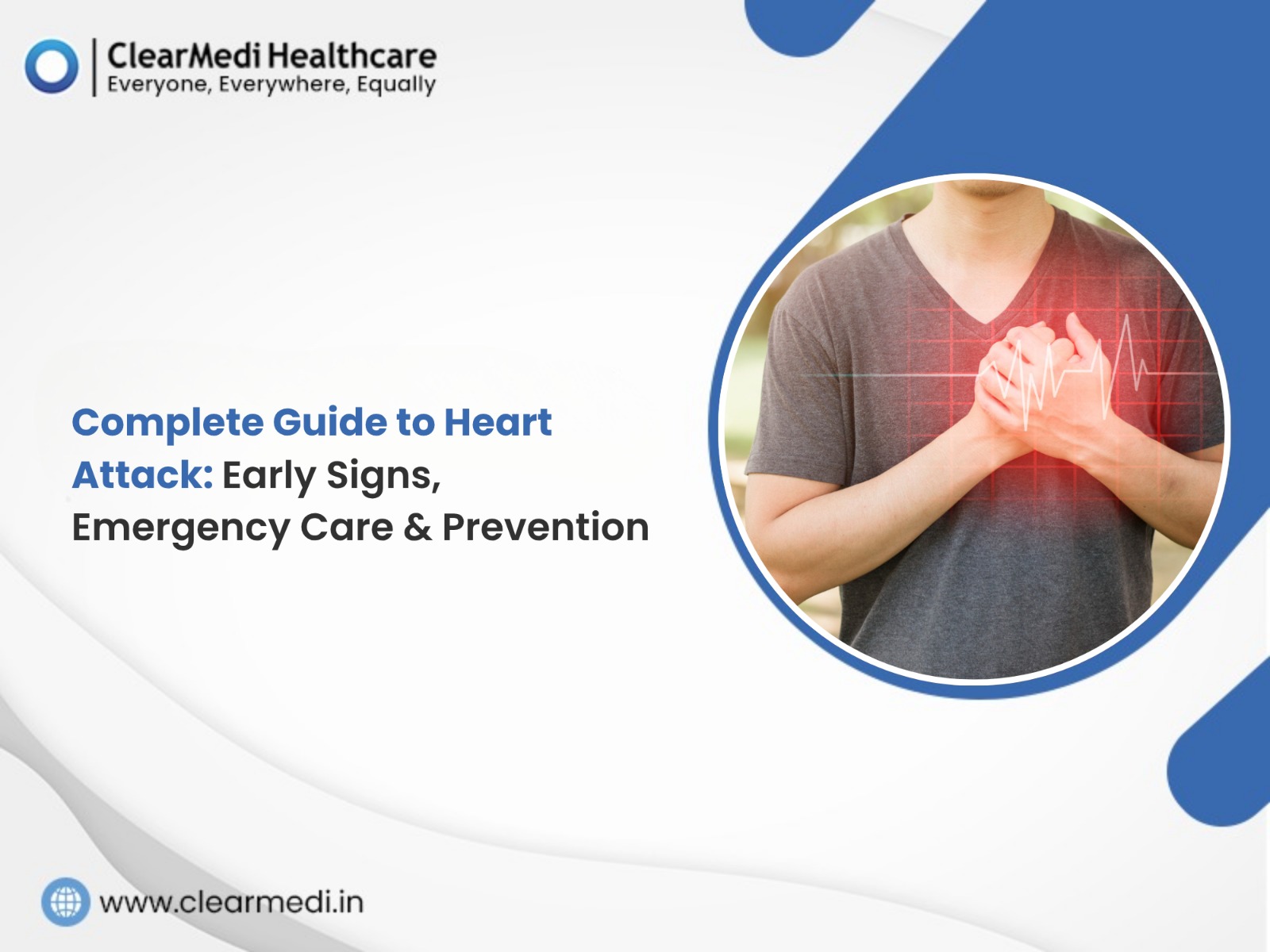
A heart attack is an urgent medical emergency in which blood flow to the heart is restricted, adversely affecting the heart muscle. Being aware of the signs and heart attack symptoms, such as chest pain, breathing difficulty, excessive perspiration, exhaustion, lightheadedness, and pain in the arms and jaw, helps to guarantee prompt medical attention and save lives. Seeking treatment for heart attacks with the best cardiologist in Noida, including emergency management, medication, and cardiac therapy, is essential in minimising complications and achieving favourable outcomes. The full guide below highlights the warning signs, causes, emergency action, treatment approaches, and effective preventive measures.
Quick Overview
A heart attack occurs if there is a lack of flow of blood to the heart, resulting in oxygen failure to reach the coronary muscles of the heart. The signs and symptoms of a typical heart attack include chest pain, breathing difficulties, excessive sweating, nausea, fatigue, and discomfort in the hands, neck, or jaw. Early diagnosis and immediate medical care are important to prevent complications. Effective treatment of a heart attack may include the use of medication, angioplasty, placing a stent, or surgery to restore proper flow of blood to the heart. By leading a healthy lifestyle through regular exercise, proper nutrition, stress management, and routine health check-ups, the risk of a heart attack can be greatly reduced.
To book an appointment with the best cardiologist in Noida at ClearMedi, please visit our official website or contact us at +91 9599565977.
Causes And Risk Factors
Some risk factors and causes of heart attack include:
- Coronary artery disease due to plaque deposits within the arteries
- Blood clots are preventing blood flow to the muscles of the heart
- High blood pressure can damage the blood vessels over time
- High cholesterol levels can cause blocked or clogged arteries
- Smoking and the use of tobacco increase the risk of cardiovascular diseases
- Obesity and lack of physical activity are affecting heart health
- Diabetes with high blood sugar levels
- An unhealthy diet comprising fatty and processed foods
- Excess consumption of alcohol and stress
- Family history of heart disease and advancing age
- Existing cases of cardiovascular disease
Symptoms
Some symptoms of a heart attack include:
- Pain in the chest area, discomfort or tightness in the chest
- Difficulty breathing or breathing problems
- Pain spreading to the arm, jaw, neck, shoulders, and back
- Excessive sweating
- Indigestion, nausea or vomiting
- Dizziness or fainting
- Feeling fatigued
- Irregular or fast heartbeat
- Anxiety or a sense of impending doom
How Is It Diagnosed?
- Physical Exam and Heart Attack Signs Assessment
- Electrocardiogram (ECG/EKG) Test for Irregular Heart Rhythms and Identifying Abnormalities
- Blood Tests for Detecting Damaged Heart Muscle and Cardiac Enzymes
- Echocardiogram for Assessing Heart Function and Blood Flow
- Coronary Angiography to Identify Blockages or Narrowed Arteries
- Chest X-Rays to Examine Heart and Lungs
- Computed Tomography Scan or Cardiac Magnetic Resonance Imaging for Accurate Heart Imaging as Needed
- Stress Tests for Determining Heart Performance Post-Stabilisation
What Are The Treatment Options?
Some treatment options include:
- Medication for dissolving blood clots and fixing broken blood vessels
- An oxygen treatment method that increases the amount of oxygen reaching the coronary heart
- Anti-clotting and blood-thinning drugs to stop additional clotting
- Angioplasty and stenting to unblock blocked coronary arteries
- Surgery, referred to as coronary artery bypass graft (CABG), is used for very extreme blockages
- Drugs to control blood pressure, cholesterol and heart rhythm
- Rehabilitation programmes to support recovery and improve heart fitness
- Lifestyle changes like a healthy diet, regular exercise, pressure management and stopping smoking
When Should You Consult A Cardiologist?
You should consult a cardiologist if you experience any such symptoms:
- Shortness of breath or breathing problems commonly
- High blood pressure and uncontrolled cholesterol levels
- Palpitations or dizziness due to an irregular heartbeat
- Personal history of coronary artery disease or heart attacks
- Diabetes, obesity, or any other cardiovascular risk factors
- Oedema in the legs, ankles, or feet
- Fatigue during daily activities for no reason
- Chest pains, sweating, nausea, or arm pains
What Are Some Prevention Tips?
Some prevention tips include:
- To stick to a healthy and properly balanced diet program that includes fruits, greens, and complete grains
- Exercise frequently to keep up cardiovascular wellness
- Refrain from cigarette smoking and using tobacco merchandise
- Limit the intake of alcohol and refrain from unhealthy conduct
- Retaining proper blood pressure, cholesterol, and glucose ranges
- Stress control using relaxation techniques and proper rest
- Retaining a healthy body weight and remaining physically active
- Undergo routine health check-ups and cardiac screening examinations
- Take prescribed medicinal drugs on schedule in case you have heart troubles
- Be aware of early indicators of a heart attack and get instant treatment if necessary
Why Should You Choose ClearMedi, Noida, For Cardiology Services?
You should choose ClearMedi, Noida, for cardiology services for the following reasons:
- Expert cardiologists and professionals specialising in cardiac care
- Prognosis improvement and comprehensive treatment of coronary heart attacks
- Round-the-clock emergency cardiac care and support
- Advanced diagnostics centre, including ECG, Echo, and stress tests
- Customised therapy programs for all patients
- Advanced facilities and technology-based cardiac care
- Multispecialty guide for total cardiac health management
- Focused patient care with expert clinical staff
- Preventive cardiology and cardiac health management solutions
- Easy access to high-quality healthcare services in Noida
Book Your Appointment Today
To book an appointment with the best cardiologist in Noida at Clearmedi, please visit our official website or call us at +91 9599565977. Call now!
Also Read About - Heart Disease: Symptoms, Causes, Diagnosis And Treatment
FAQs
1. What is the earliest indication of a coronary heart attack?
Common signs and symptoms of a heart attack consist of chest pain, breathlessness, sweating, feeling nauseated, dizzy, tired and discomfort spreading from the hands or jaw.
2. How can a heart attack be treated effectively?
Heart attack treatments may encompass medicine, angioplasty, stenting, bypass surgery, oxygen administration, and continuous coronary care monitor support.
3. Can we prevent a heart attack absolutely?
Healthy eating regimen, workout, managing pressure, not smoking, and standard medical tests usually decrease heart attack risk and problems considerably.
4. In what situation should I see a cardiologist immediately?
Consult a cardiologist instantly if you have chest pain, breathlessness, unusual pulse, dizzy feelings or usual heart attack signs and symptoms.





 Call:
9599565977
Call:
9599565977