Kidney disease is one of the most serious and common health conditions in today's world. It is often called a silent disease because it gradually progresses over several years without any warning signs, potentially causing significant long-term damage. The kidneys are among the most important organs. However, timely diagnosis of the right kidney disease treatment helps to manage the symptoms effectively and preserve quality of life for the years to come. If your loved one is experiencing any warning signs related to the kidneys, consulting a qualified kidney disease doctor in Noida without any delays is the most important step that you can take for the CKD treatment in Noida.
Understanding The kidneys
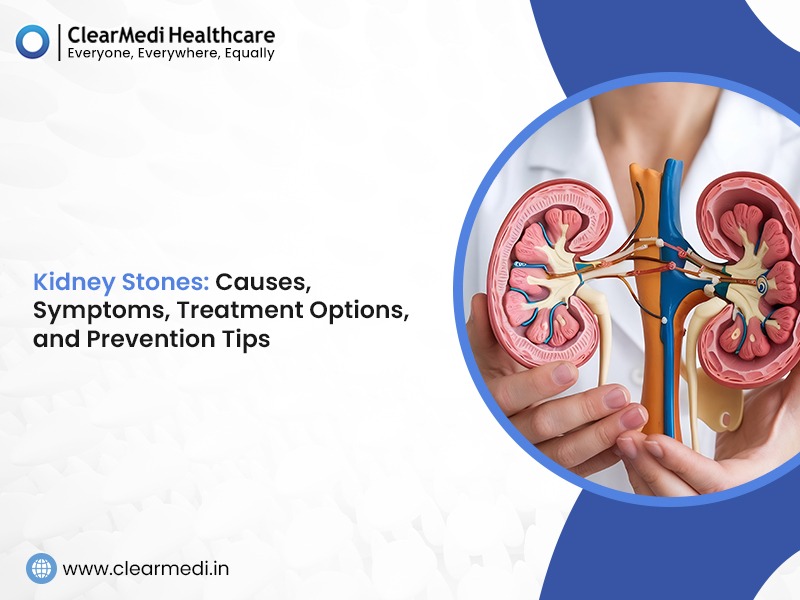
The kidney has two bean-shaped organs, each of which is roughly the size of your fist. Despite their size, they perform an extraordinary range of functions that are essential for life:
- Filtering base products and accessing fluid from the blood
- Regulating blood pressure through the renin-angiotensin system
- Balancing electrolytes like sodium, potassium, calcium, and phosphorus
- Stimulating the production of red blood cells
- Activating Vitamin D to maintain healthy
- Controlling the body's acid-base balance
Kidney Disease And Its Various Types
There are many types of kidney diseases; kidney function can be compromised through disease, injury, or chronic conditions. Some of these complications are:
- Chronic kidney disease, which is the most common form of renal disease, is defined as a gradual loss of kidney function over a period of months or more. This disease has five CKD stages based on glomerular filtration rate. Consulting a qualified kidney disease doctor in Noida without any delays is the most important step that you can take for CKD treatment in Noida.
- Acute kidney injury, which develops rapidly over hours or days, usually as a consequence of severe dehydration, infection, medication toxicity, or obstruction.
- Glomerulonephritis, which is the inflammation of tiny filtering units within the kidneys, is caused by immune conditions, infections, or certain medications and is a significant cause of CKD and acute kidney injury.
- Polycystic kidney disease is a genetic disorder in which fluid fills and develops throughout the kidneys, resulting in an enlargement and impairment of function over time
- Diabetic neuropathy, which is the leading cause of chronic kidney disease globally, is a result of poor control of diabetes, as high blood sugar damages the delicate blood vessels within the kidneys.
- Hypertensive nephropathy, chronic high blood pressure, is the most common cause of CKD worldwide, which impairs the function of the kidney over time due to high blood pressure.
Recognising Kidney Disease Symptoms
One of the most dangerous aspects of kidney disease is how quietly it develops, so it is very important to recognise the symptoms of kidney disease as early as possible. As the disease progresses, the symptoms become increasingly apparent:
- Persistent fatigue and weakness are caused by anaemia and the buildup of waste products in the blood.
- Swelling in the legs, ankles, or face is a sign that the kidneys are failing to regulate fluid balance.
- Changes in the frequency of urination, especially at night, resulting in reduced output, foamy or frothy urine, or blood in the urine
- Puffiness around the eyes, particularly in the morning.
- Shortness of breath, which is caused by fluid accumulation in the lungs
- Persistent nausea, vomiting, or loss of appetite
- Muscle cramps, particularly at night, which are often linked to electrolyte imbalances
- High blood pressure, which is difficult to control
- A persistent metallic taste in the mouth
Common Causes and Risk Factors For Kidney Disease
There are many common causes of CKD symptoms and other factors for both prevention and renal disease treatment. The most significant causes and risk factors include:
- Diabetic nephropathy accounts for approximately 40% of all CKD cases.
- High blood pressure or hypertension, which is a consequence of kidney disease, creates a damaging cycle that accelerates renal decline.
- Recurrent urinary tract infections that ascend to the kidneys, especially when inadequately treated, can cause progressive renal damage.
- Kidney stones because the current kidney stones cause physical damage to kidney tissue and increase the risk of obstruction and infection
- Autoimmune diseases such as lupus nephropathy and vasculitis can directly damage the kidneys' filtering structures.
- Prolonged NSAID use, such as ibuprofen and diclofenac, if used frequently, can cause kidney damage.
- Family history and genetics for polycystic kidney disease or kidney failure.
- Obesity or excess body weight raises blood pressure and blood sugar.
- Kidney function also naturally declines with age, making elderly people more vulnerable to chronic kidney disease.
Diagnosing Kidney Disease
The kidney disease doctor in Noida diagnoses kidney diseases through various methods.
- Blood tests
- Urine tests
- Imaging studies
- Kidney biopsy
The combination of these investigations allows your nephrologist in Noida to stage or diagnose kidney disease accurately, and it also helps to identify the underlying cause to design the most effective treatment plan. Visit a kidney doctor for more information.
Kidney Disease Treatment Options
Kidney disease treatment should be started at an early stage and should be tailored to the specific type, stage, and underlying cause of the condition, like CKD treatment. The various kidney disease treatment options include the following:
- Management of underlying causes includes blood pressure control, blood sugar management, treating infections, and obstructions.
- Medications in kidney disease treatment include diuretics, phosphate binders, iron supplementation, Bicarbonate supplementation, Statins, etc.
- Diet and lifestyle modifications such as increasing the protein intake, sodium restriction, potassium and phosphorus management, fluid management, smoking and alcohol reduction, regular low-impact exercise, etc.
Also Read About - Kidney Stones: Symptoms, Causes and Best Treatment Options
Why Choose A Kidney Specialist In Noida?
Noida has developed into a hub of excellence for nephrology and kidney care with world-class kidney hospitals, internationally trained nephrologists, and a comprehensive renal disease treatment infrastructure. At ClearMedi, we have access to advanced diagnostic testing, including kidney biopsy and specialist imaging, and we have state-of-the-art dialysis facilities along with dedicated renal dietitian support with lifestyle counselling. We follow a multidisciplinary approach, and our specialists also coordinate with cardiologists, diabetologists, and other specialists to manage systemic effects of kidney disease. Choose the right specialist for CKD management.
Conclusion
Our hospital network is spread across India. From ClearMedi Multi-Speciality Hospital in Mysore to ClearMedi Monark Cancer Hospital in Nanded, and from ClearMedi Paridhi Multispecialty Hospital in Gwalior to Primacare at ClearMedi Multispecialty Hospital in Noida, expert care is available. You will also find 24/7 support at ClearMedi DMH Multispecialty Hospital Varanasi; ClearMedi Bahra Multispecialty Hospital, Kharar; and ClearMedi Radiant Hospital Mysore. Kidney diseases are serious, but they are manageable at the earlier stages if you have diabetes, high blood pressure, or a family history of kidney problems. A simple blood and urine test with a trusted nephrologist in Noida can tell you exactly where your kidney health stands. Proactive kidney care today is the most powerful investment you can make for your health tomorrow.






 Call:
9599565977
Call:
9599565977