Living with arthritis can affect simple things that are easy to take for granted. Getting out of bed, walking, opening a jar, climbing stairs, or sitting comfortably for a long time may become difficult when pain and stiffness keep returning. The symptoms can vary considerably depending on the type of arthritis, the joints involved, and the person's overall health. Arthritis is also not one single disease; different forms can affect the joints in different ways.
At ClearMedi Healthcare, we do not look at joint pain in isolation. We try to understand when your symptoms began, which joints are affected, how the problem is changing, and how it is influencing your daily activities. This helps us work towards identifying the underlying condition and discussing suitable treatment options. If you are looking for the Arthritis Doctor in Mughalsarai, our focus is on personalised assessment and practical long-term joint care.

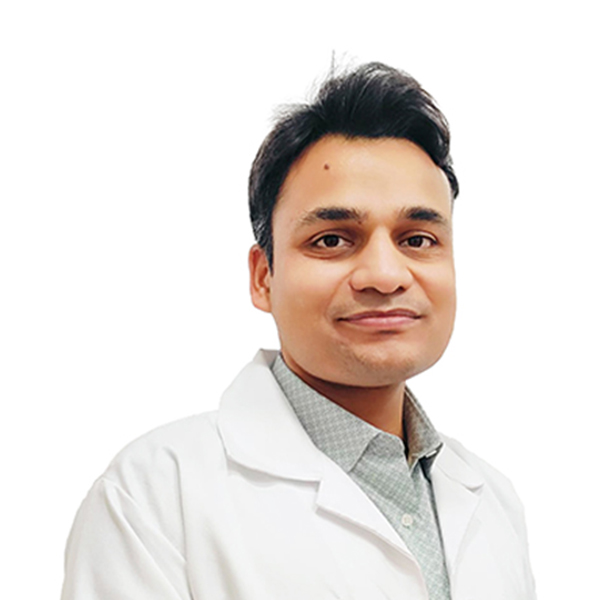
Senior Consultant – Cardiology
Experience: 18+ Years
ClearMedi Bahra Multispeciality Hospital, Kurali, NH21, Kharar, Mohali
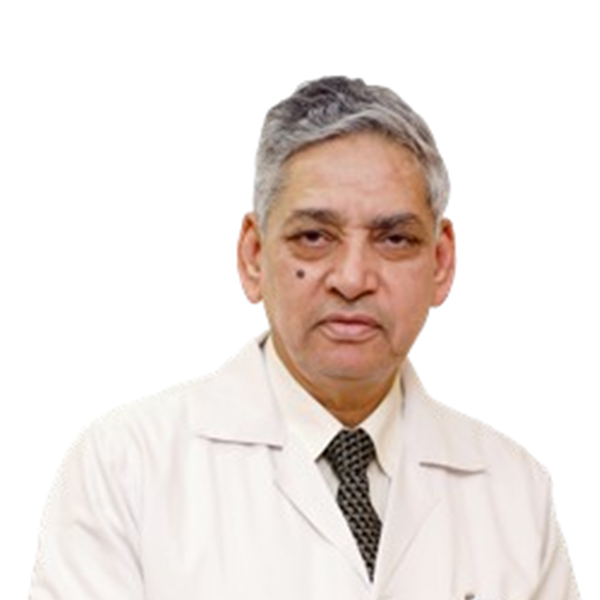
Director - Cardiology
Experience: 50+ Years
ClearMedi Bahra Multispeciality Hospital, Kurali, NH21, Kharar, Mohali

Senior Consultant - Pathology
Experience: 35+ Years
ClearMedi Paridhi Multispeciality Hospital, Kailash Vihar, Tulsi Vihar Colony, Gwalior

Sr. Consultant- Ophthalmology
Experience: 35+ Years
PrimaCare Clearmedi Multispeciality Hospital,Sector 104, Noida

Consultant - Orthopedics & Joint Replacement
Experience: 29+ Years
ClearMedi Paridhi Multispeciality Hospital, Kailash Vihar, Tulsi Vihar Colony, Gwalior

Senior Consultant – Cardiology
Experience: 27+ Years
PrimaCare Clearmedi Multispeciality Hospital,Sector 104, Noida

Consultant - Internal Medicine
Experience: 25+ Years
ClearMedi Radiant Hospital, Vijay Nagar 3rd Stage, Garudachar Layout, Mysuru

Head of Department - Anaesthesia
Experience: 25+ Years
ClearMedi Bahra Multispeciality Hospital, Kurali, NH21, Kharar, Mohali
Arthritis is a broad term used for conditions that affect one or more joints. Depending on the type, it may involve inflammation, changes in cartilage and bone, or an immune response that affects healthy joint tissue. More than 100 types of arthritis have been identified.
Common forms include:
The knees, hips, hands, wrists, feet, ankles, and other joints may be affected. However, having pain or stiffness in a joint does not automatically mean that you have arthritis. Injuries, tendon problems, bursitis, overuse, and other conditions can cause similar symptoms.
That is why understanding the pattern of your symptoms is an important part of the assessment.
Arthritis does not always produce the same symptoms every day. Some people experience periods when their symptoms settle and then return, while others develop gradually increasing pain or stiffness.
You may notice:
The pattern can sometimes provide useful clues. For example, osteoarthritis commonly causes pain and stiffness with difficulty moving the affected joint, while rheumatoid arthritis may cause prolonged morning stiffness, swelling, warmth, and tenderness.
Different forms of arthritis have different causes, so there is no single risk factor that explains every case.
Depending on the type, factors may include:
Osteoarthritis, for example, can be associated with aging and previous injury, while rheumatoid arthritis develops through an autoimmune process. Gout is related to the build-up of uric acid crystals in the joints.
Because these conditions have different mechanisms, treatment should be based on the actual diagnosis rather than the presence of joint pain alone.
It is common to ignore mild stiffness or occasional discomfort, especially when it settles on its own. However, repeated symptoms deserve attention when they begin affecting your movement or routine.
Consider arranging an evaluation if:
A hot, swollen and painful joint accompanied by fever or feeling unwell needs prompt medical assessment because infection and other urgent conditions can sometimes present in this way.
A proper assessment begins with a detailed discussion. We may ask about the location of your pain, when it started, how long stiffness lasts, whether one or several joints are involved, and whether symptoms become worse with activity or after rest.
We then examine the affected joints for:
If additional information is required, investigations may be recommended based on the suspected condition.
Blood tests may help identify inflammation or provide information when conditions such as rheumatoid arthritis or other autoimmune disorders are being considered. However, no single blood test can establish rheumatoid arthritis in every patient.
X-rays can show certain changes involving the bones and joints and may be useful when structural or degenerative changes are suspected.
These scans can provide additional information about the joint and surrounding tissues when the clinical assessment indicates that more detail is needed.
When a joint is swollen, a sample of fluid may sometimes be examined for inflammation, crystals, or infection.
We select investigations according to the individual case rather than ordering every available test.
The treatment approach depends on the type of arthritis, the severity of symptoms, the joints involved, your mobility, and your overall health. There is no universal treatment plan that is appropriate for every form of arthritis.
For Arthritis Treatment in Mughalsarai, treatment may include:
Depending on the diagnosis, medicines may be used to manage pain and inflammation. Certain inflammatory forms of arthritis may also require long-term medicines that target the underlying disease process. The choice depends on the specific condition and individual medical factors.
Appropriate movement can help maintain strength, flexibility, and joint function. Physiotherapy may be included where reduced mobility or muscle weakness is contributing to difficulty with everyday activities.
Exercise should be appropriate for the affected joint and the type of arthritis. It is not necessary to push through significant pain in an attempt to stay active.
For arthritis affecting weight-bearing joints, maintaining a healthy body weight may help reduce stress on those joints. We may also discuss suitable physical activity, rest, joint protection, and practical changes that fit your daily routine.
Depending on the condition, braces, splints, walking aids, or other supportive devices may be useful. Hot or cold packs can also provide symptom relief for some people.
Some patients develop significant structural damage or continue to experience substantial limitations despite non-surgical treatment. In selected situations, injections, procedures, or surgery may be considered.
The decision depends on the diagnosis, extent of joint damage, symptoms, mobility, and response to previous treatment. Surgery is not automatically required simply because arthritis is present.
Managing arthritis is not only about dealing with pain when it appears. Long-term care also involves understanding your condition and making practical changes that support mobility and joint function.
Depending on your diagnosis, this may include:
A consistent approach can make it easier to monitor the condition and adjust treatment when required.
At ClearMedi Healthcare, we recognise that two people with the same type of arthritis may not experience it in the same way. Their symptoms, mobility, work, activity levels, and treatment goals may all be different.
During your care, we consider:
Your symptoms: We look at how pain, stiffness, and swelling affect your routine.
Your medical history: Previous injuries, existing conditions, medicines, and family history may influence treatment decisions.
Your mobility: We consider how the condition affects walking, work, exercise, and other daily activities.
Your diagnosis: Treatment is based on the particular type and severity of the joint condition.
Your long-term needs: Where appropriate, we discuss measures that may help you manage recurring symptoms and maintain joint function.
For patients looking for the Arthritis Doctor in Mughalsarai, this individualised approach can help provide a clearer understanding of the condition and the treatment options available.
You do not always need to wait until joint pain becomes severe before seeking medical advice. Persistent stiffness, repeated swelling, or gradually reduced movement can also be reasons to arrange an evaluation.
Consider consulting an arthritis doctor if:
An assessment can help determine whether arthritis is responsible or whether another condition may require a different treatment approach.
Living with recurring arthritis can gradually affect the way you walk, work, exercise, and manage everyday activities. Getting the condition assessed can help you understand what may be causing your symptoms and what treatment options may be appropriate. At ClearMedi Healthcare, Mughalsarai, our team provides individualised evaluation and care for arthritis and other joint-related concerns. Call +91 9599565977 to book your consultation with our team in Mughalsarai and take the next step towards better joint care.
FAQ







I recently found myself under your care for a cancer issue. While there, accompanied by my wife, we found that the entire staff at ClearMedi Hospital was exceedingly professional and efficient, from your E.R. receptionists to the cardiac care team. Very proud of your outstanding staff and service.
Sonia Chauhan
I was recently cared for at ClearMedi Hospital following a heart attack. I just wanted to say a few words about the exceptional care I received in the ClearMedi Hospital Cardiac Care Unit and the ICU. All of the doctors and nurses were friendly, pleasant, kind, thorough, conscientious and professional. I am happy to have been in their care.
Purab Singh
I am writing on behalf of my brother who was a patient in your hospital. I would like to thank you on behalf of my entire family for the help and consideration shown to me in what was a very difficult time. Again, I would like to thank you for the services you provide to patients and their families.
Deepal Sinha© Copyright 2026, ClearMedi. All rights reserved.





 Call: 9599565977
