Cardiology and Cardiac Surgery Date: 25 Sep 2025
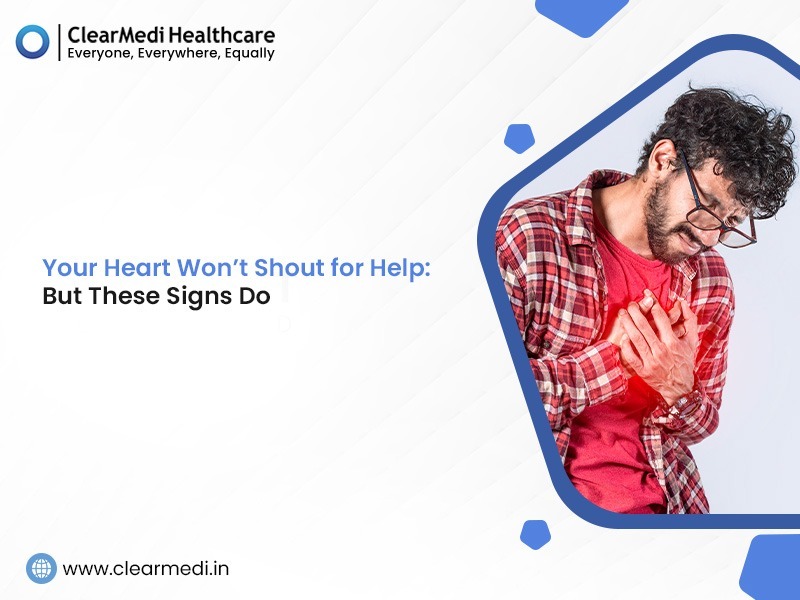
The heart is one of the most essential organs in the body, steadily contributing to the functioning of the body. Yet, if it is not handled with care, it can get damaged and cause a sharp pain when something is wrong. Your heart often sends many signals that can point toward an underlying condition. Understanding these signs could help in early intervention and prevent emergencies. Visit the best heart hospital in Varanasi to know more about these signs and signals from a professional.
Your Heart Disease Is A Silent Killer: Many people can experience a heart attack without any prior symptoms, and others have a broken heart for years, even before diagnosis. The heart might be different from other organs in communicating a problem.
Our Body’s Adaptability: The cardiovascular system is very adaptive. Our body initially compensates for the blood flow in case the heart muscles become weak. This body adaptation can hide the real symptoms for many years; consequently, a heart disease or a heart attack might remain undetected until very late.
Unexplained Fatigue: One of the most common signs of heart disease is continuous fatigue that does not go away even after resting. Whenever you do a physical activity, you get exhausted quickly, which means your body does not get oxygen-rich blood to function properly.
Daily activities like climbing stairs, carrying some stuff, etc., become very difficult.
Shortness Of Breath: This happens when you do a physical activity; the heart struggles to pump blood efficiently. This symptom can usually increase with age or when there is a significant increase in weight.
Chest Discomfort That Is Not Pain: A feeling of push or burden in the chest or a feeling of uneasiness or tension in the chest is called angina. This typically occurs due to stress and may subside with rest.
Pain In Unexpected Places: Pain in unexpected places, such as the neck, jaw, stomach, or back – this symptom is called referred pain, as the heart shares nerve pathways with these areas. Left arm pain is also common, but pain in the other arm or shoulders should also not be ignored.
Swollen Feet, Ankles, Or Legs: This symptom is called oedema, in which fluid can accumulate in your lower extremities due to gravity, and the heart stops pumping effectively.
Irregular Heartbeat: When the heart does not beat in a steady rhythm or not according to the normal heart rate, occasional palpitations are harmless, but regular palpitations could indicate a more serious condition.
Dizziness And Lightheadedness: The brain might not receive adequate oxygen, which may cause lightheadedness. This might occur due to standing up too quickly, especially after rest.
If you notice any of these symptoms, consult the best Cardiologist in Gwalior .
Age: The risk of heart disease increases after a certain age, like 45 years for men and 55 years for women, but not necessarily, as nowadays younger people also get affected by heart diseases.
Genetics: Medical history or family history impacts the risk more, but it does not guarantee a heart problem; in these cases, it's more important to be vigilant.
Lifestyle Factors: Lifestyle factors, such as a bad lifestyle, a bad diet, chronic stress, etc., can also contribute significantly to heart problems.
Medical Conditions: Other medical conditions like diabetes, hypertension, and high cholesterol increase the risk of a heart attack.
Our Hospital network is spread across India. Starting from Clearmedi Multispeciality Hospital in Mysore to Clearmedi Monark Cancer Hospital in Nanded, and from Clearmedi Paridhi Multispeciality Hospital in Gwalior to Primacare Clearmedi Multispeciality Hospital in Noida, expert care is always available. You will find 24/7 support at Clearmedi DMH Multispeciality Hospital, Varanasi; Clearmedi Bahra Multispeciality Hospital, Kharar; and Clearmedi Radiant Hospital, Mysore.
Listen to the silent symptoms that the heart communicates to you, and try having regular checkups and conversations with your doctor about a healthy lifestyle and other concerns. Do not ignore potential symptoms that can prevent a more serious emergency.
Also Read: Heart Health in 2025: What’s Causing the Rise in Heart Disease and How You Can Stay Healthy
1. What are the silent symptoms of a heart attack?
Silent heart attack symptoms include fatigue, shortness of breath, Pain in Unexpected Places, Irregular Heartbeat, Dizziness, Swollen Feet, Ankles, or Legs, and Lightheadedness.
2. Can chest pain be the only sign of a heart issue?
No, many people with heart problems might not experience any chest pain. This is a sign in which there is a feeling of a load in the chest. This typically occurs due to stress and may subside with rest.
3. How do lifestyle factors influence silent heart symptoms?
Factors like a bad lifestyle, smoking, alcohol consumption, stress, and a poor diet can cause fluid retention, which may mask the symptoms of a heart attack until they become very severe and can last for many years.
4. How do high blood pressure and diabetes increase hidden heart risks?
High BP means more work for the heart, so it gradually adapts, and symptoms might develop slowly. Diabetes damages the blood vessels and nerves, reducing the ability to feel any heart-related pain, which is very dangerous.
5. Why is regular heart screening important?
Regular health checkups catch problems before they become severe, and many tests, like blood tests, EKGs, and BP monitoring, can reveal the actual situation. Solving smaller issues is easier than facing a big emergency. Always remember. Early detection saves lives!
© Copyright 2025, ClearMedi. All rights reserved.





 Call:
9599565977
Call:
9599565977