Others Date: 01 Dec 2025
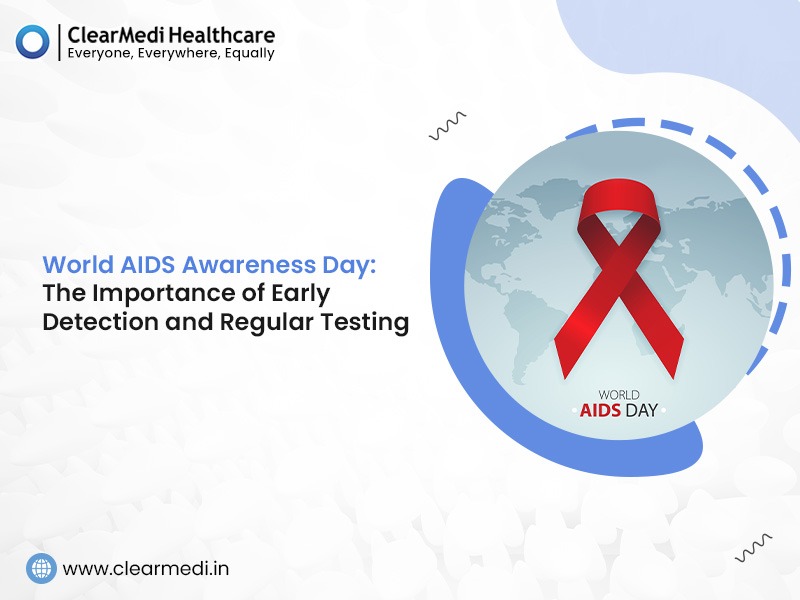
Every year on 1st December, World AIDS Day is observed. This reunites the communities worldwide and initiates a global movement that is dedicated to raising awareness about HIV AIDS. World Aids Day has become very important and one of the most recognised international health days, signifying the importance of the advancement in the medical field for this critical global concern. Visit an Internal medicine hospital for better insights on the same.
AIDS is Acquired Immunodeficiency Syndrome. It is the most advanced stage of HIV infection. AIDS happens when a person's CD4 cell count drops below 200 cells per cubic milliliter of blood, leading to organ infections or cancer due to several immunodeficiencies.
The major difference between HIV and AIDS is often misunderstood. HIV is a virus that affects the immune system, and AIDS is the condition that results from advanced and untreated HIV infection. If you have had HIV for years, you are at risk of getting AIDS as well, but you cannot have AIDS without first having HIV. Visit an Internal medicine hospital for a better understanding of this difference.
AIDS is a progression of the untreated HIV infection when CD4 cells are destroyed. The immune system becomes progressively weak, which may take a long time, finally resulting in AIDS, but if the HIV infection is left untreated, the disease may progress faster, depending on various factors like viral load, overall health, and genetics.
There are various methods by which HIV is transmitted. HIV is mainly spread through bodily fluids from an infected person, such as through blood, semen, rectal Fluids, vaginal Fluids, and breast milk. Most commonly, AIDS is spread through unprotected sexual contact or through needles contaminated with infected blood. Visit an Internal medicine specialist to understand how HIV infection is transmitted.
There are many AIDS symptoms, which include early HIV symptoms, chronic HIV stage symptoms, and symptoms of AIDS in females. The early HIV symptoms include acute retroviral syndrome, fatigue or extreme tiredness, swollen lymph nodes, sore throat, muscle and joint pains, headaches, night sweats, and mouth ulcers. Chronic HIV stage symptoms include recurring fever, chronic diarrhoea, unexplained weight loss, oral yeast infections, shingles, and general fatigue. Symptoms of AIDS in females include pelvic inflammatory disease, frequent and severe menstrual cycle, cervical dysplasia, vaginal yeast infections, etc.
The early detection of HIV AIDS is crucial as it is the most powerful tool for diagnosing and controlling this epidemic. If HIV infection is diagnosed early, ideally during an acute infection stage, the treatment can start before it causes major damage to the immune system. The early detection also provides psychological and social benefits, as it eliminates the anxiety of uncertainty, allowing people to connect with communities and other patients living with HIV. Visit an Internal medicine specialist for guidance on early detection of this virus.
Across the ClearMedi healthcare network, you are in good hands. From ClearMedi Monark Cancer Hospital in Nanded to ClearMedi Multi-Speciality Hospital in Mysore, and from ClearMedi Paridhi Multispeciality Hospital in Gwalior to Primacare ClearMedi Multispeciality Hospital in Noida, trusted care is available. You will also find expert support at ClearMedi DMH Multispeciality Hospital, Varanasi, ClearMedi Bahra Multispeciality Hospital, Mohali, and ClearMedi Radiant Hospital, Mysore.
Treatment for AIDS needs hope, progress, and continued commitment. For the past four decades, the work is far from finished. The stigma still prevails. World Aids Day is observed to remember that HIV no longer poses a threat to any community. Together through sustained commitment, treatment, prevention, and diagnosis, we can maintain human dignity and fulfill our target of ending the AIDS epidemic.
Also Read: Understanding Different Types of Cancer: A Simple Guide
1. What is World AIDS Awareness Day, and why is it important?
World AIDS Day has been observed annually since 1988 to unite people globally in remembering the lives lost to HIV/AIDS. It is very important because it spreads awareness about early detection and prevention, and advocates for policy changes that show that the affected communities can face the challenge bravely.
2. What are the symptoms of HIV in the early stages?
The major symptoms of HIV/AIDS in the early stages include lymph node soreness, sore throat, extreme fatigue, skin rashes, muscle aches, headaches, night sweats, mouth ulcers, etc., but these symptoms cannot confirm HIV; a proper test needs to be taken for the same.
3. What types of HIV tests are available, and which one is most accurate?
There are many types of HIV tests available, like antibody tests, which detect the response in 23 to 90 days post-infection, antigen tests, which can detect results within 18 to 45 days post-infection, and Nucleic acid tests, which detect the results in 10 to 33 days post-infection. The most accurate tests are the NAT tests; nucleic acid tests detect the infection at the earliest, but they cost more than the other tests.
4. What are the most common myths about HIV testing?
There are many common myths about HIV testing, such as testing is painful, positive HIV results mean death, you can tell if someone has HIV by how they look, HIV testing is expensive, etc. These misconceptions promote the stigma and prevent people from testing for HIV, which leads to the spread and increase of infections.
5. How does ClearMedi Healthcare support HIV screening and awareness?
ClearMedi Healthcare supports HIV with many services, such as confidential testing, patient education, specialized care, community outreach programs for reducing the stigma, and various awareness initiatives. Their comprehensive approach and judgement-free testing help individuals to know their actual status for the disease and give them access to life-saving treatment when required.
© Copyright 2025, ClearMedi. All rights reserved.




 Call:
9599565977
Call:
9599565977