Gaestroenterology Date: 22 Jan 2026
Hepatitis represents one of the most significant global health concerns. It is very important to understand the forms, causes, and symptoms of hepatitis for the effective management of the disease. Whether you are dealing with viral infections like hepatitis A, hepatitis B, or other complex conditions or autoimmune diseases, visit the best gastroenterologist in Mysore for optimal care and outcomes.
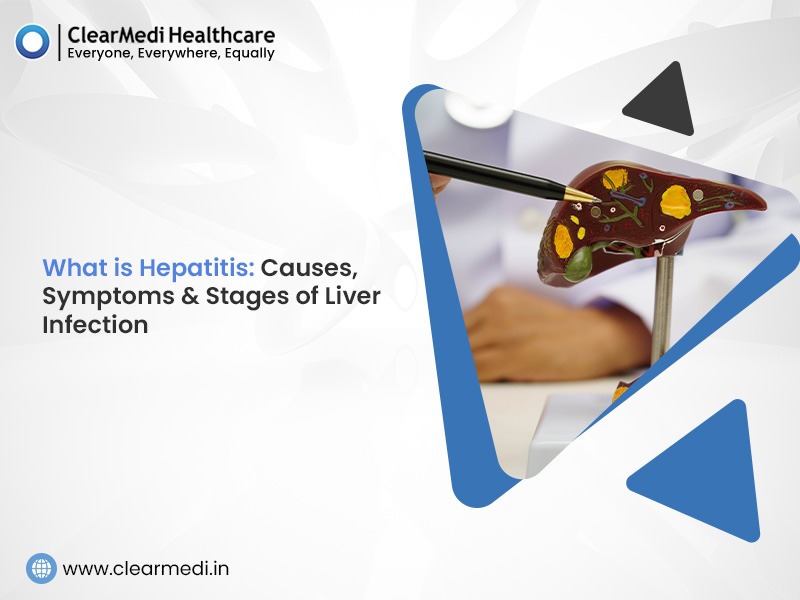
Hepatitis literally means inflammation of the liver and it is derived from the Greek word "hepar" which means liver and "itis" which means inflammation, the critical functions of the liver include over 500 vital functions, like filtering light, producing toxins, storing protein, storing energy, etc, when hepatitis develops inflammation which can lead to chronic liver disease, liver failure and ultimately liver cancer if left untreated.
There are many types of viral hepatitis, but the main five types are designated from A through E:
For more information on the hepatitis medical gastroenterology team at ClearMedi healthcare, other types of hepatitis include autoimmune diseases, alcoholic and chronic hepatitis, non-alcoholic fatty liver disease, etc.
The major symptoms of hepatitis include:
Visit the best Gastroenterologist in Mysore if you experience any of the above-mentioned symptoms.
There are five main phases of liver infection and disease progression, such as:
Some of the major prevention measures for hepatitis include:
Across the ClearMedi healthcare network, you are in good hands. From ClearMedi Monark Cancer Hospital in Nanded to ClearMedi Multi-Speciality Hospital in Mysore, and from ClearMedi Paridhi Multispeciality Hospital in Gwalior to Primacare ClearMedi Multispeciality Hospital in Noida, trusted care is available. You will also find expert support at ClearMedi DMH Multispeciality Hospital, Varanasi; ClearMedi Bahra Multispeciality Hospital, Kharar; and ClearMedi Radiant Hospital, Mysore.
Hepatitis encompasses diverse liver conditions from acute viral infections to chronic conditions such as autoimmune diseases, metabolic disorders, etc. Understanding the causes and recognizing the symptoms of hepatitis is essential, as it empowers patients and guides clinical decisions. Consulting the best gastroenterologist in Mysore can ensure a comprehensive evaluation.
Also Read: Best Foods For Kidney Health: What To Eat And Avoid For Stronger Kidneys
1: What is hepatitis, and how does it affect the liver?
Hepatitis means liver inflammation, which is caused by viruses, autoimmune diseases, or toxins. Hepatitis disrupts over 500 vital functions, toxin filtration, protein production, etc, and causes liver failure and liver cancer if left untreated.
2: What are the early symptoms of hepatitis?
The early symptoms of hepatitis include fever, persistent fatigue, loss of appetite, nausea, right upper abdominal discomfort, jaundice, dark urine, pale stools, anemia, chronic inflammation, etc.
3: What is the difference between hepatitis A, B, C, D, and E?
Hepatitis A spreads through contaminated water. Hepatitis B is transmitted via body fluids or blood. Hepatitis C spreads through blood, usually causing chronic hepatitis. Hepatitis D only affects those with hepatitis B, and hepatitis E resembles hepatitis A. The specialist in medical gastroenterology determines the type through a specific blood test for appropriate treatment.
4: Can hepatitis be cured completely?
Hepatitis A and E resolved naturally without chronic infection. Modern antiviral medications can cure over 95% of Hepatitis C cases completely. Hepatitis B can be controlled but is rarely cured and requires lifelong antiviral therapy. Liver failure and liver cancer, as well as autoimmune hepatitis, require ongoing immunosuppression.
5: What is the best treatment for hepatitis?
The best treatment for hepatitis depends on the type of hepatitis. Hepatitis A requires only supportive care with rest and nutrition. Hepatitis B uses antiviral medications. Hepatitis C is cured with direct-acting antivirals in advanced cases, which can cause liver failure and may require transplantation.
© Copyright 2025, ClearMedi. All rights reserved.





 Call:
9599565977
Call:
9599565977