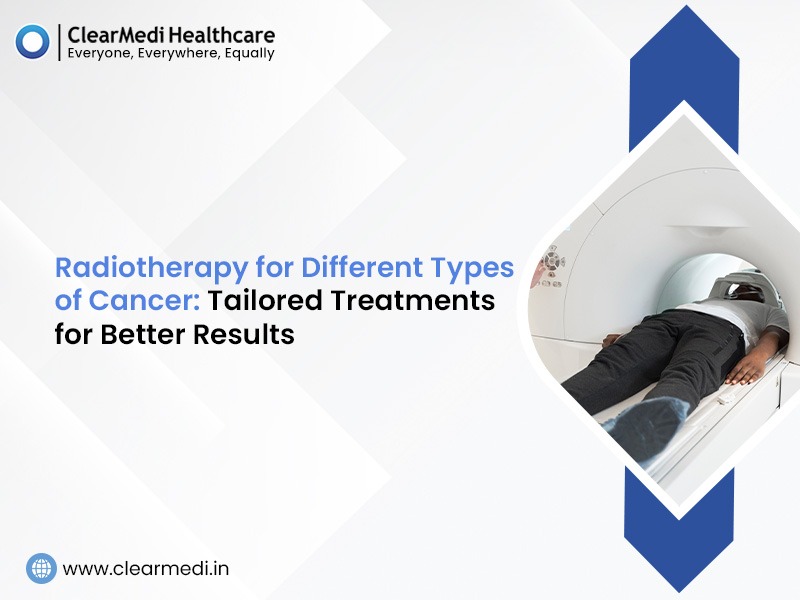
Radiation Therapy Date: 26 May 2025
Cancer is a medical issue where cells grow uncontrollably and may spread throughout the body. It is found in various forms and possible at different locations. Depending on the type, stage, and affected area, the plan of treatment is curated.
Radiotherapy has long been a cornerstone in the management of cancer, used either as a standalone treatment or in combination with surgery, chemotherapy, or immunotherapy.
With technological advancement, radiation oncology has become more precise and personalised, helping to minimise the damage to healthy tissues.
Radiotherapy involves the use of high-energy radiation, typically X-rays, proton beams or electrons, to damage the DNA of cancer cells, slowing or stopping their growth. Modern radiotherapy techniques allow radiation to be delivered precisely to the tumour site while sparing as much healthy tissue as possible.
Advances in planning and delivery, including Intensity-Modulated Radiotherapy (IMRT), Image-Guided Radiotherapy (IGRT), Stereotactic Radiosurgery (SRS) and Stereotactic Body Radiotherapy (SBRT), have made radiotherapy more accurate and efficient than ever before.
Not all cancers respond to radiation in the same way. Some are highly sensitive, while others require higher doses or more complex techniques. The shape, size and location of a tumour also influence how radiotherapy is planned and delivered.
By tailoring radiotherapy to specific cancer types and individual anatomy, oncologists can better target cancer cells while protecting critical organs. Personalised radiotherapy also supports better quality of life by helping to reduce long-term complications.
Below is a closer look at how radiotherapy is adapted across different types of cancer.
Radiotherapy is commonly used after surgery to reduce the risk of recurrence. After a lumpectomy, radiation is directed at the remaining breast tissue. In some cases, radiotherapy for cancer is also used after mastectomy, particularly when cancer has affected lymph nodes or nearby structures.
Techniques like Deep Inspiration Breath Hold (DIBH) are used for left-sided breast cancers to keep the heart out of the radiation field. Partial breast irradiation may also be used in selected cases, targeting only the area near the original tumour site to minimise exposure.
In early-stage lung cancer, particularly when surgery is not an option, SBRT is often used. It delivers high doses of radiation with high precision over just a few sessions.
In more advanced stages, radiotherapy is usually combined with chemotherapy. Since the lungs move with breathing, planning must account for tumour motion. Technologies like respiratory gating and four-dimensional CT scans help target the tumour while limiting radiation to surrounding healthy lung tissue.
Prostate cancer responds well to radiotherapy, whether it is used on its own or after surgery. IMRT and IGRT are standard techniques that allow for precise targeting of the prostate while limiting exposure to the bladder and rectum.
Some individuals benefit from hypofractionated radiotherapy, where higher doses are delivered in fewer sessions. In advanced cases, pelvic lymph nodes may also be included in the treatment area to reduce the risk of spread.
Radiation oncology is pivotal in treating that of the mouth, throat, larynx and nasopharynx. These areas are close to critical structures, so accuracy is non-negotiable.
IMRT often shapes radiation beams around important organs such as the spinal cord and salivary glands. With this, there is effective tumour control while reducing the risk of long-term side effects like difficulty swallowing or persistent dry mouth.
Radiotherapy may be used after surgery or as the main treatment when surgery is not suitable. SRS is used for small brain tumours or metastases. It delivers a single, high-dose treatment with exceptional precision.
For larger tumours or those located near sensitive areas, fractionated radiotherapy is more appropriate.
In rectal cancer, radiotherapy is often given before surgery to shrink the tumour and make it easier to remove. Owing to it, the probability of cancer returning is reduced.
After surgery, radiotherapy may be used in selected cases based on risk factors. Techniques are used to reduce radiation exposure to the bladder and small bowel, helping to preserve function and avoid complications.
For cervical, uterine and vaginal cancers, radiotherapy is commonly combined with chemotherapy. A key component is brachytherapy, which involves placing radioactive sources directly inside or near the tumour.
Radiotherapy for cancer allows for a high radiation dose to be delivered to the tumour while limiting the effect on surrounding organs. External beam radiotherapy is also used in more advanced stages or when surgery is not possible.
In children, radiotherapy must be approached with extra care due to the potential impact on growth and development. Lower doses and precise delivery are essential.
Proton therapy may be recommended in some cases because it offers greater control over where the radiation stops, reducing exposure to healthy tissues. The planning process is highly collaborative, involving paediatric oncologists, radiation therapists and other specialists.
Technology is driving continuous improvements in cancer care. Today’s planning systems can adapt radiotherapy plans mid-treatment in response to anatomical changes. Artificial intelligence is also being used to analyse imaging and predict treatment response, helping to fine-tune therapy.
Molecular profiling is opening doors to biologically guided radiotherapy, where the genetic and cellular makeup informs tumour treatment. These advances are helping to make radiotherapy even more individualised.
Radiotherapy has evolved into a highly targeted approach to cancer treatment, supporting better control, fewer side effects, and improved quality of life. It becomes a powerful component of comprehensive cancer care when tailored to individual needs.
ClearMedi Healthcare provides advanced radiation oncology services across locations, including ClearMedi Radiant Hospital in Mysore, ClearMedi Paridhi Multispeciality Hospital in Gwalior, and Primacare ClearMedi Multispeciality Hospital in Noida. These centres combine cutting-edge technology with multidisciplinary expertise to offer patient-centric cancer treatment plans.
In Mysore, Dr. Avinash C B, HOD & Senior Consultant – Medical Oncology at ClearMedi Radiant Hospital, brings over 21 years of experience in treating solid tumours, blood cancers, and childhood malignancies. With a background in medical, pediatric, and hematoma oncology, as well as stem cell transplantation, Dr. Avinash provides expert care grounded in both clinical insight and compassion.
OPD Timings: 8:00 AM to 4:00 PM
If you or a loved one is navigating a cancer diagnosis, personalised radiotherapy may be an essential part of the treatment plan. Visit ClearMedi Radiant Hospital in Mysore or any of our centres for a consultation. With the right care, every step forward becomes more precise, more informed, and more hopeful.
Also Read About:
10 Common Cancer Myths You Should Stop Believing
The Role of Genetics in Cancer: Understanding Hereditary Risks
© Copyright 2025, ClearMedi. All rights reserved.





 Call:
9599565977
Call:
9599565977