Cancer Care Date: 27 Feb 2026
Radiation oncology is a crucial part of cancer treatment. This process basically uses high-energy radiation to destroy cancer cells. Many cancer patients are recommended radiation therapy at some stages of their cancer journey. This can also happen in combination with chemotherapy. It is crucial to understand when, why and how radiation therapy can help cancer patients.
Radiation therapy is now safer and more effective with the help of a skilled radiation oncologist.
An oncologist can recommend radiation therapy at different stages of cancer care. These basically depend on the type, size and location of the tumour. Some stages are:
Before surgery
To shrink tumours
To destroy any remaining cancer cells
This happens when surgery is not possible.
Here it is used to relieve symptoms such as pain or bleeding.
Oncologists use radiation therapy to treat many types of cancers, such as breast cancer or prostate cancer.
Radiation oncology is crucial to damage the DNA of cancer cells. This further prevents them from growing or dividing. Radiation therapy is a vital part of cancer treatment as it:
Targets cancer cells precisely while also protecting the healthy tissues.
Radiation therapy basically uses modern and advanced machines and imaging techniques to destroy cancer cells. Some common types of radiation therapy are:
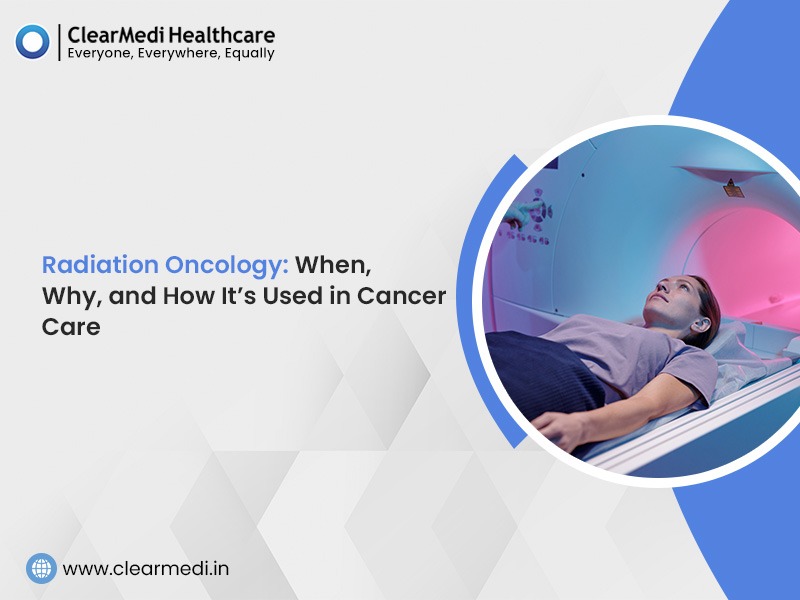
ERBT is one of the most common types of radiation therapy. In this case, radiation is given from outside the body.
In this, a radioactive material is placed inside the body, near the tumour.
SRS uses high-precision radiation, generally for small tumours. Mostly used for brain or lung cancer.
Before a radiation oncologist recommends any radiation therapy, they use a CT, MRI, or PRT scan for accurate diagnosis and effective treatment.
Radiation therapy is painless. It lasts only for a few minutes. The side effects of the treatment include fatigue, skin changes, or even mild discomfort.
However, many side effects are temporary and can be managed well with the help of a radiation oncology team.
Radiation oncology plays a crucial role in cancer treatment. It helps in comprehensive treatment. It offers effective treatment for many types of cancers at every stage.
Radiation therapy indeed helps patients fight cancer and live a quality life with comfort and dignity.
If you are looking for a highly experienced and trusted radiation oncologist, please visit us at ClearMedi.
We have many hospitals in India. Some cities include Gwalior, Noida and Mohali.
Don’t Miss Visiting:
1. What is radiation oncology?
Radiation oncology is a therapy that uses high-energy radiation to treat many types of cancers, further helping in destroying tumours and cancer cells. This therapy can be used alone or in combination with other therapies such as chemotherapy.
2. When is radiation therapy used in cancer treatment?
A radiation oncologist can recommend radiation therapy at various stages of cancer treatment. This further depends on the patient's condition and the type of cancer. A doctor may recommend it before surgery or after surgery.
3. Why is radiation therapy recommended for cancer patients?
Radiation therapy is recommended for cancer patients as it destroys the cancer cells and stops them from multiplying further, helping treat tumours and also reducing the risk of cancer recurrence. This therapy also helps to treat symptoms and improve survival rates.
4. How does radiation therapy work to kill cancer cells?
Radiation therapy kills cancer cells by using high energy rays to kill the cancer cells and also prevents the cells from growing and multiplying.
5. Is radiation therapy safe and painless?
Yes, radiation therapy is safe and does not cause pain. The treatment is similar to getting an X-ray done. However, some patients experience side effects such as fatigue, but these are manageable.
© Copyright 2025, ClearMedi. All rights reserved.





 Call:
9599565977
Call:
9599565977